• 3 min read
Qualcomm and MediaTek push AI into smaller devices
MediaTek’s Genio Pro 5100 and Qualcomm’s Snapdragon Wear Elite bring local AI, new NPUs, and lower-power connectivity to IoT and wearables.
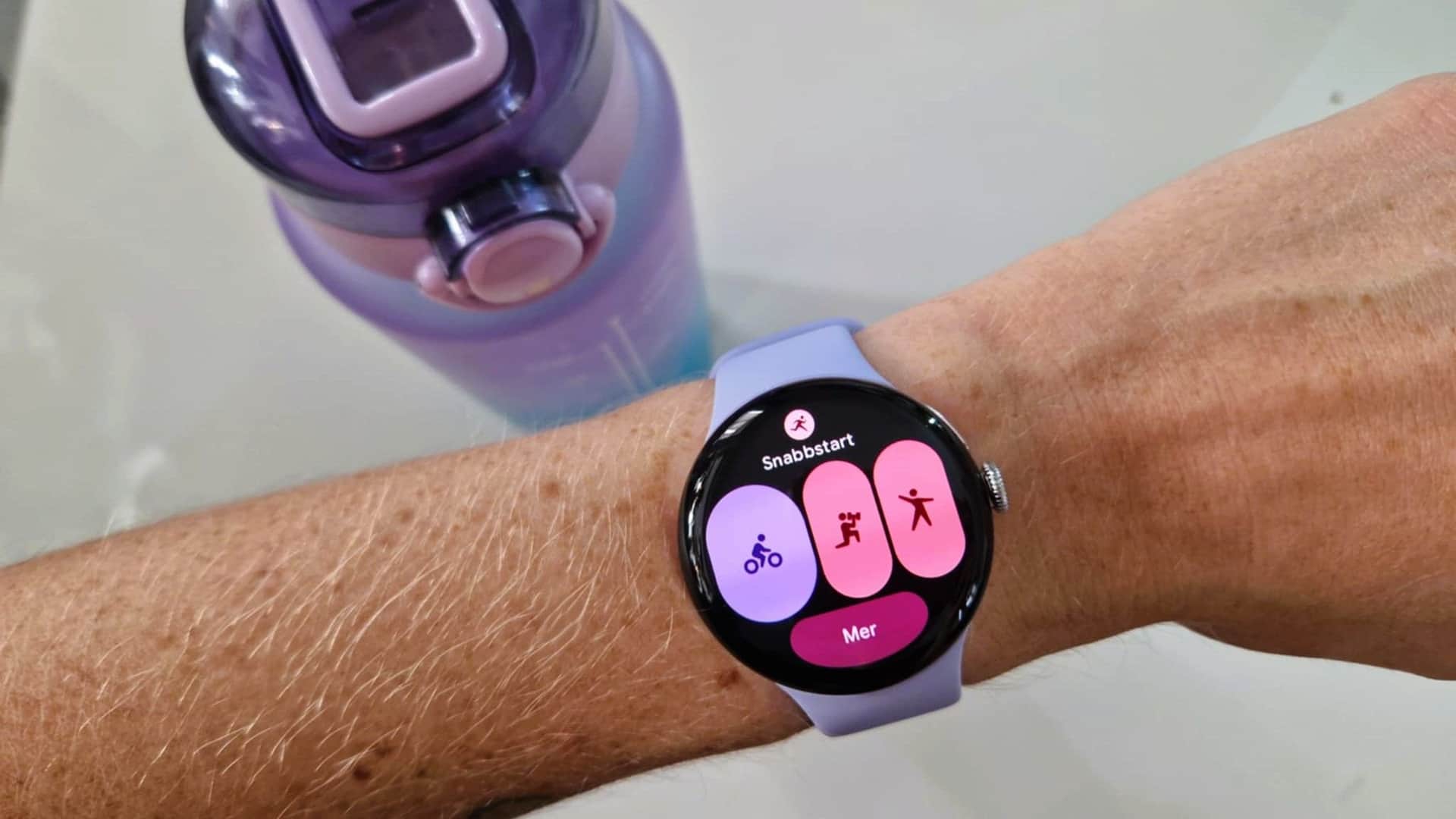
Image: TechRadar
Battery life is the constraint behind the latest push to bring more capable AI to small, always-on devices. MediaTek is targeting industrial and robotic systems with its new Genio Pro 5100, while Qualcomm is redesigning its wearable platform around two separate neural-processing engines.
Image credit: Amanda Westberg
MediaTek Genio Pro 5100 targets physical AI
MediaTek’s Genio family covers IoT applications including digital signage, smart-city sensors, retail systems, and industrial robotics. The company’s new Genio Pro 5100 is aimed at the latter category, where machines need to interpret their surroundings and physically act on that information.
Recommended reading
Nothing plans first main-brand smartwatch for September
Built using a 3nm process, the chip combines CPU performance that MediaTek says rivals Intel’s Core processors with an ARM Immortalis GPU and a dedicated NPU. Its image-processing capabilities are designed for systems that need to analyze multiple camera feeds locally:
- Up to 16 Full HD camera inputs
- Up to two 4K inputs, both running at 30 frames per second
- Support for vision-language models optimized for the platform
The platform supports both Linux and the ROS (Robotics Operating System). MediaTek is positioning it for factory automation, transportation and logistics, and hospitality applications, and intends to support the Genio Pro line for seven to 12 years.
The Genio Pro 5100 does not include integrated wireless connectivity. Instead, manufacturers can add modules for Wi-Fi, Bluetooth, and cellular networks, including low-power 5G RedCap.
Snapdragon Wear Elite splits AI workloads
Qualcomm’s new Snapdragon Wear Elite represents a major performance jump from its previous W5 platform. The W5, including variants used in recent Pixel Watch generations, will remain available for more cost-sensitive devices.
Like MediaTek’s chip, Snapdragon Wear Elite uses a 3nm process. Qualcomm has focused its design on four areas: micropower connectivity, low-power islands, performance, and user experience.
Its defining feature is a dual-NPU architecture. The main NPU can process roughly 18 to 20 tokens per second for a model with about 1 billion parameters—roughly the token-processing level of a two-year-old smartphone, according to the source. A separate embedded NPU, or eNPU, handles tasks that need an immediate response, including voice activation and active noise cancellation.
Separating those workloads is intended to provide faster interactions without draining the small batteries used in watches, glasses, rings, and other wearables. Qualcomm says its micropower Wi-Fi uses 80% less power than the previous generation. The chip also supports 5G RedCap and satellite connectivity.
Image credit: Future / Cas Kulk
Wearable applications and launch plans
Qualcomm expects the platform’s connectivity and on-device processing to support applications such as health and fitness coaching, lifelogging, on-device translation, and USB-based authentication using Aliro, a sister standard to Matter.
At Mobile World Congress, Samsung, Motorola, and Google announced support for Snapdragon Wear Elite. Samsung said the chip will appear in at least one version of the Galaxy Watch 9.
The source expects more products using both companies' new platforms in 2027 and beyond, but it does not provide pricing or specific release dates for the chips or the broader range of devices. It also does not identify an independent benchmark for the stated Snapdragon token-processing figures.
Gadgets Editor
Eli is obsessed with the tangible future. He reviews phones, wearables, and everything with a battery. Known for his rigorous testing protocols and unabashed teardowns, Eli has broken more review units than he cares to admit, all in the name of discovering the truth about durability and repairability.
via TechRadar