• 4 min read
Plex’s corporate shift pushes users toward Jellyfin
Plex’s shift toward ads, centralized authentication, and paid remote access is driving homelab users to Jellyfin, despite its rougher apps.
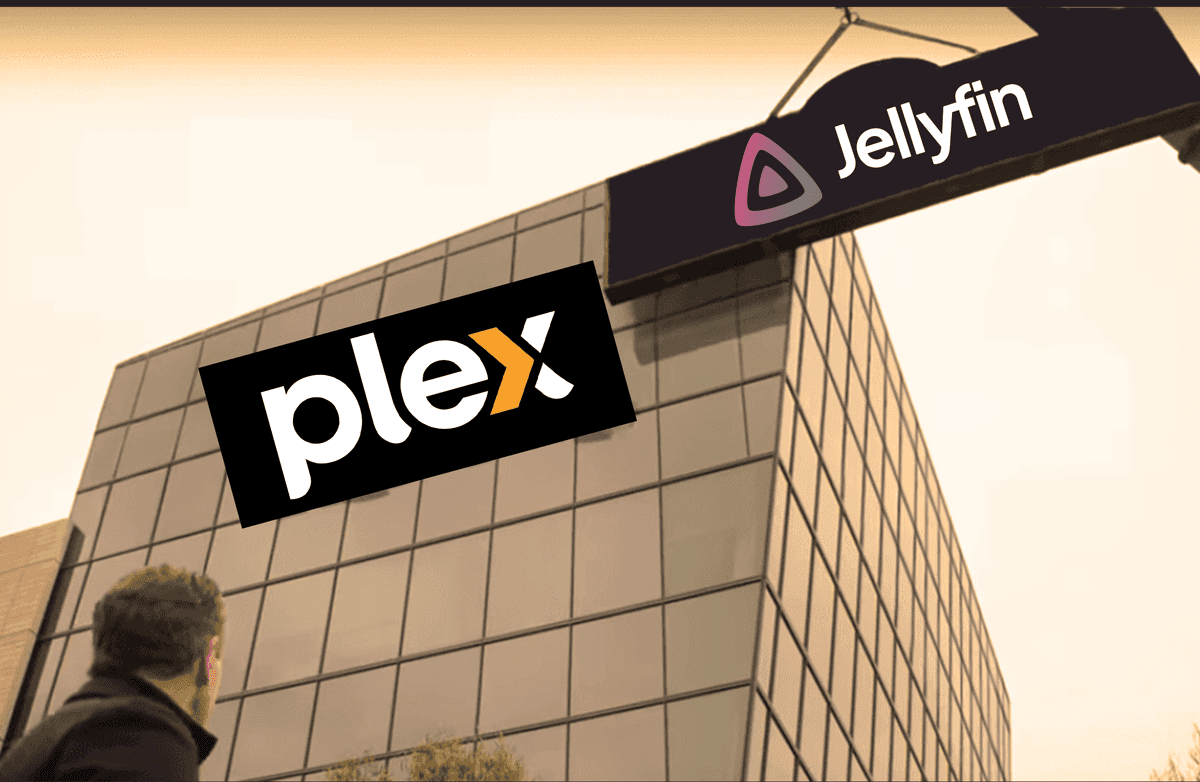
Image: Hacker News
For more than a decade, Plex has been the easiest entry point to home media servers. Install it on an old laptop, desktop, NAS, or even a Raspberry Pi, and it organizes personal movie, TV, and music libraries while serving them to devices ranging from LG webOS and Samsung Tizen to Apple TV, Roku, Fire TV, phones, and game consoles.
That convenience is why the author moved from XBMC, used on a modded original Xbox in late 2002 / 2003, to Plex. In February 2021, during pandemic lockdowns, they bought a Lifetime Plex Pass for $74.99 USD (~£54 GBP), unlocking hardware-accelerated transcoding, mobile sync, and intro skipping.
Plex’s shift toward centralized streaming
The author argues that Plex has gradually moved toward “corporate creep,” prioritizing advertising, studio licensing, and commercial streaming over personal media. Plex’s home screen now foregrounds its own free ad-supported movies, sponsored TV channels, and commercial rows, while personal server libraries are buried by default. Those elements can be hidden, but their presence reflects the company’s changing priorities, the author says.
The platform has also faced pressure to align with commercial streaming standards. Plex has targeted accounts selling access to commercial servers, including blanket bans affecting entire Hetzner and OVH IP ranges. While the crackdown addressed illegal server sales, it also affected some users hosting private servers off-site.

Recommended reading
A developer built watchable digital twins of World Cup games
Plex has additionally introduced Remote Watch Passes, requiring remote viewers or server owners to pay for out-of-home playback, while tightening how Lifetime Plex Pass benefits work across shared accounts. The author describes this as a move from seamless family sharing toward gated subscription tiers.
Jellyfin trades polish for control
Plex’s dependence on centralized authentication is another concern. Users authenticate through Plex.tv, which returns a key that unlocks access to the local server. During authentication outages or DNS disruptions, users can be locked out of servers in their own homes unless they have configured offline access in advance. The author also raises concerns about Plex collecting information about viewing activity, devices, and watchlists.
Jellyfin takes the opposite approach. Forked from Emby after Emby went closed-source in 2018, it creates accounts locally and does not require a central service. The author highlights several advantages:
- No mandatory central account
- No corporate tracking metrics, advertising rows, or forced discovery features
- Native hardware transcoding at no extra cost
- Local authentication and streaming that continue when the internet is unavailable
The trade-off is client quality and reach. Plex maintains polished apps for platforms including LG webOS, Samsung Tizen, Apple TV, Roku, Fire TV, PlayStation, and Xbox. Jellyfin clients such as Android TV, Swiftfin for iOS and Apple TV, Roku, and web interfaces are spread across volunteer projects, so compatibility and stability vary by device.
For newcomers building a first home server, the author recommends Jellyfin—provided they check which TV platforms their household uses.
Open source still depends on maintainers
Jellyfin is not free from organizational risk. In July 2026, Project Leader Joshua Boniface, Core Team Member Anthony Lavado, and Co-founder Andrew Rabert announced departures within days of one another. The episode underscored familiar open-source problems: maintainer burnout, unrealistic support expectations, and a flood of low-quality AI-generated pull requests that consume time during review.
The author therefore runs both services in parallel. Plex remains the daily driver, while Jellyfin is being evaluated for a possible future migration. Even Linus Sebastian of Linus Tech Tips—once a prominent Plex supporter—has criticized Plex’s cloud authentication, corporate direction, and feature bloat, while LTT has published material on alternatives such as Jellyfin.
The author calculates that the $74.99 purchase amounted to roughly £9.80 per year, or 82p / $1.13 per month, after 5.5 years—about 66 months—of daily use. Plexamp was a major part of that value: by streaming a self-hosted music library through Android Auto and Apple CarPlay, the author avoided subscriptions costing about £10.99/month ($11.99/month) and estimates savings of more than £700 ($900) over 5.5 years. That makes a full switch to Jellyfin less urgent, even as Plex’s direction pushes new users toward its open-source rival.

Computing Editor
Tomas lives in the terminal. He covers chips, laptops, and operating systems with a focus on performance and efficiency. He reads kernel changelogs the way other people read fiction, and he's always on the hunt for the perfect mechanical keyboard switch. If it processes data, Tomas has an opinion on it.
via Hacker News