• 3 min read
OpenAI calls Apple lawsuit 'careless' and 'aggressive'
OpenAI says Apple’s trade-secrets lawsuit is based on false information and defends former employees Chang Liu and Tang Tan.
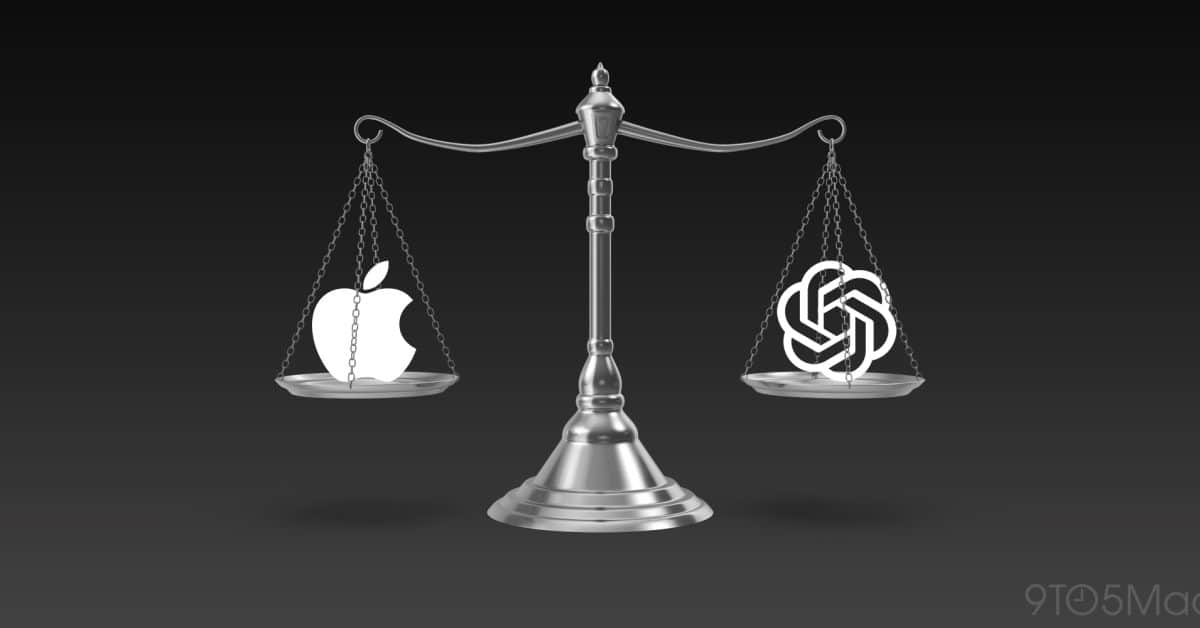
Image: 9to5Mac
OpenAI has issued its most detailed public rebuttal yet to Apple’s trade-secrets lawsuit, accusing Apple of making a “careless, aggressive, and oddly personal” case based on false information. The company published the response in an overnight blog post titled “Apple is getting this wrong,” signed simply by OpenAI.
Apple sued OpenAI on July 10, alleging that former employees systematically took confidential information to support OpenAI’s hardware plans. The dispute has already widened to include legal letters sent to former Apple employees now at OpenAI, as we previously reported in July.
OpenAI challenges Apple’s pre-lawsuit warnings
OpenAI’s account disputes Apple’s description of the events leading to the lawsuit. Apple had said it contacted OpenAI in February but received no response. OpenAI says Apple’s outside lawyers emailed the wrong person after confusing two Asian surnames, and that Apple later conceded a claimed discussion with OpenAI’s general counsel never took place.
OpenAI also says Apple never raised the specific allegations in the lawsuit during those exchanges. Instead, according to OpenAI, Apple said it was “resolving any issues,” then made no further contact for five months before filing suit. The company included email correspondence and message screenshots in its post, but the article notes that the publication is not a formal legal response.
“This careless, aggressive and oddly personal lawsuit sadly doesn’t live up to that reputation.”
The company’s initial response on July 10 had been brief: “We have no interest in other companies' trade secrets.” On July 14, OpenAI said it had seen no evidence supporting Apple’s claims. The new post is the first time it has publicly addressed several of the allegations in detail.

Recommended reading
Mariana Minerals raises $310M for autonomous US mines
OpenAI defends Chang Liu and Tang Tan
OpenAI acknowledges some of the data-access issues raised by Apple but offers a different explanation. Apple accused former employee Chang Liu of accessing confidential information after leaving the company. OpenAI says Apple employees contacted Liu and asked him to help locate the information, and argues that Apple’s “residual access” explanation omits a broader account-management problem.
According to OpenAI, former employees can retain access to Apple files because the company does not always properly disable system permissions when people leave. It says this can affect people attempting to return or manage information appropriately, even when they are unaware that access remains.
Tang Tan, a former Apple designer and a central figure in Apple’s complaint, also receives a direct defense. OpenAI says Tan made clear to his team that they must not seek or use confidential information belonging to other companies. It describes Tan as an Apple employee of more than 24 years and “one of the most innovative leaders at the company.”
OpenAI concludes that Apple’s request for a preliminary injunction is “completely unnecessary” because it neither possesses nor wants Apple’s trade secrets. It says it would have preferred to resolve the matter before litigation and accuses Apple of broadening its narrative with vague allegations involving other former employees.
The latest post gives OpenAI’s position more substance, but it does not settle the underlying dispute or replace a court filing. Apple’s allegations, OpenAI’s denials, and the evidence each side ultimately presents in court remain separate questions.
Enterprise Editor
Marcus follows the money. He covers enterprise software, cloud architecture, and the tectonic shifts in Big Tech strategy. He translates dense earnings calls and complex M&A activity into actionable insights about where the industry is actually heading. If a tech giant makes a silent pivot, Marcus is usually the first to notice.
via 9to5Mac