• 2 min read
OpenAI’s $230 Codex Micro puts agents on a keypad
OpenAI and Work Louder have opened orders for the Codex Micro, a $230 keypad built to control Codex agents with dedicated keys, a dial and a joystick.
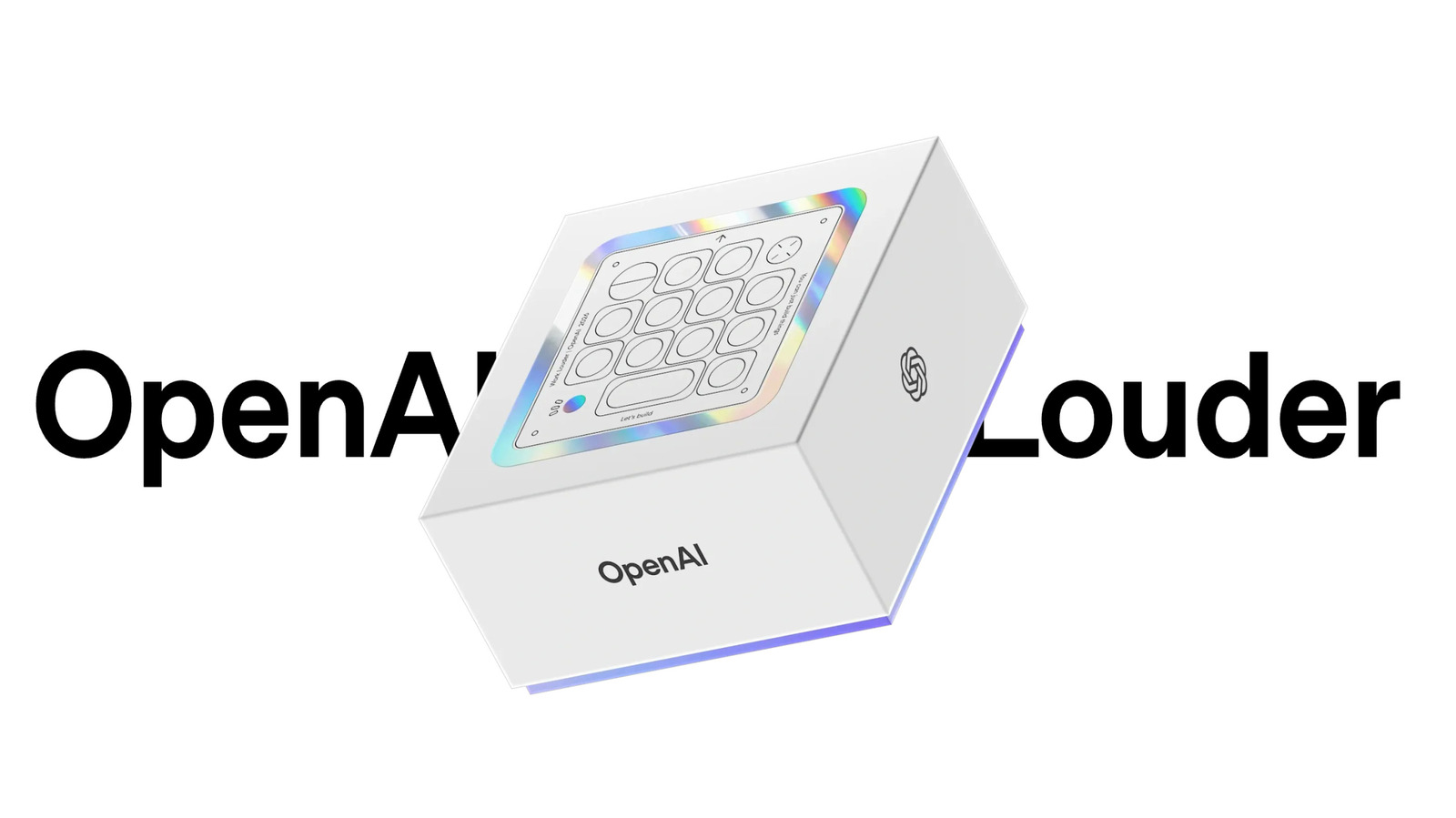
Image: Engadget
OpenAI has launched its first hardware product, and it is not the long-rumored Jony Ive device. The company’s new Codex Micro is a $230 keypad made with keyboard maker Work Louder to control OpenAI Codex, the company’s agentic coding tool.
The accessory was first teased in June and is available to order now from both OpenAI and Work Louder. Work Louder says it has only a “limited quantity” available, suggesting the keypad may sell out quickly.
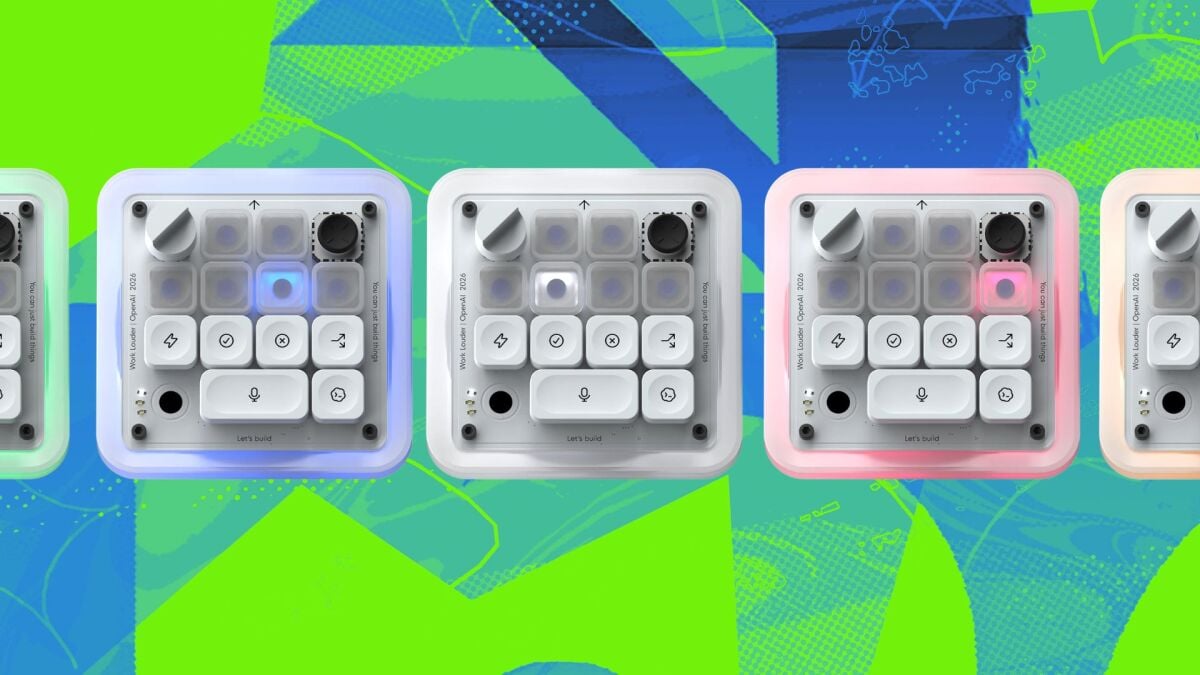
If you have seen Work Louder’s Creator Micro 2 or its Framer Micro collaboration, the overall design will look familiar. The Codex Micro includes:
- six frosted keys with LEDs that show the status of Codex agents
- extra assignable keys for actions such as accepting or rejecting code, branching threads and voice input
- a dial for switching between Codex reasoning levels
- a joystick for moving between Codex workflows
- extra keycaps for custom controls
The launch follows OpenAI’s recent move to turn its Codex app into a “super app” that combines standard ChatGPT, Codex and the productivity-focused agent tool ChatGPT Work. The software can be used without dedicated hardware, but the keypad is aimed at heavy users who want faster control over those workflows.
Recommended reading
OpenAI’s first gadget is a $230 coding keypad
For now, the Codex Micro looks like the least complicated of OpenAI’s hardware efforts. Engadget notes that the company’s rumored smart speaker, reportedly designed with Jony Ive, has already been overshadowed by an Apple lawsuit accusing current OpenAI employees Tang Yew Tan and Chang Liu of taking trade secrets from the company.

Computing Editor
Tomas lives in the terminal. He covers chips, laptops, and operating systems with a focus on performance and efficiency. He reads kernel changelogs the way other people read fiction, and he's always on the hunt for the perfect mechanical keyboard switch. If it processes data, Tomas has an opinion on it.
via Engadget