• 2 min read
OpenAI adds banking chiefs as IPO plans take shape
OpenAI adds Nubank’s David Vélez and BNY’s Robin Vince to both boards as it weighs an IPO as soon as 2027.
Image: TNW
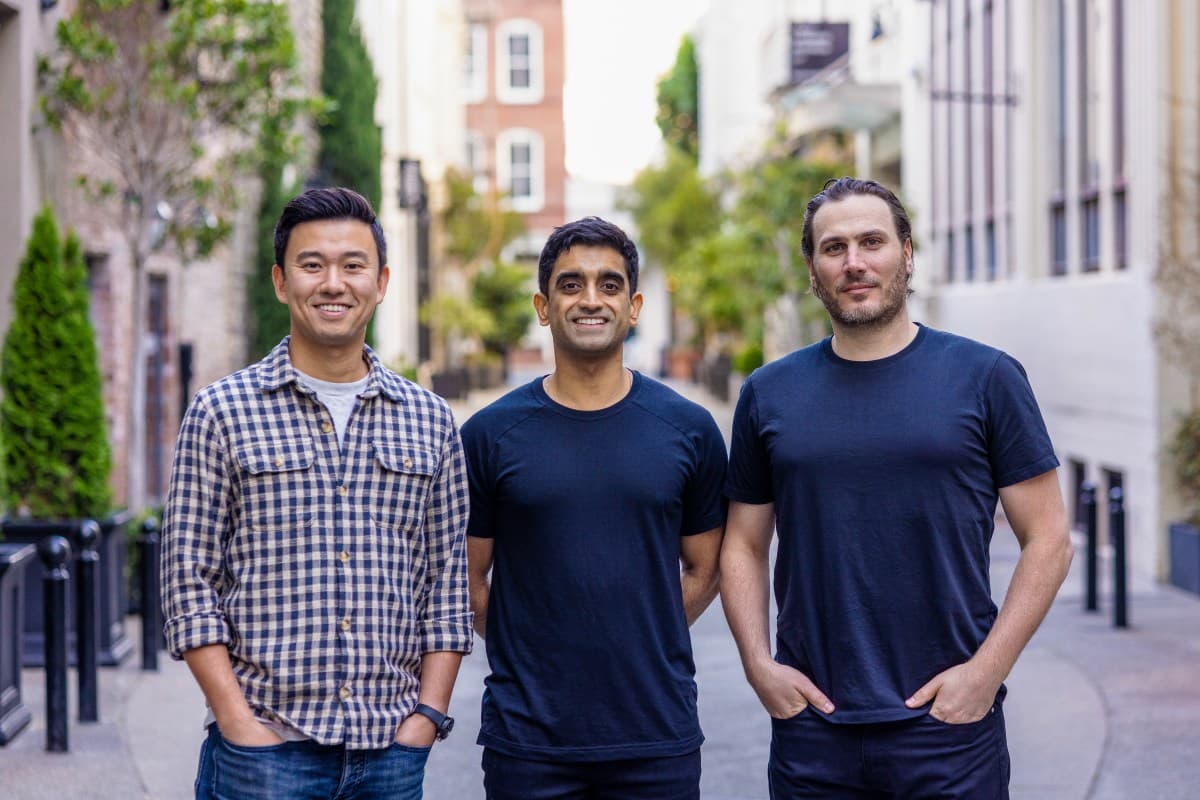
OpenAI has added Nubank CEO David Vélez and BNY Chairman and CEO Robin Vince to both its nonprofit and for-profit boards—a move that gives the ChatGPT maker significant Wall Street experience as it considers a potential public listing.
OpenAI is not publicly traded, and the company said on Tuesday that both executives will join the OpenAI Foundation, its nonprofit parent, and OpenAI Group PBC, its for-profit arm. Bret Taylor, who chairs both boards, said Vélez and Vince had used technology to reshape financial services and expand access globally.
OpenAI’s board takes on public-market experience
The appointments come as OpenAI weighs an initial public offering as soon as 2027, according to Bloomberg. That listing could follow rival Anthropic’s own debut. The Wall Street Journal described Vélez and Vince as independent directors, providing the kind of outside oversight public investors typically expect.
Vince spent 26 years at Goldman Sachs, where he became chief risk officer and treasurer, before taking over BNY in 2022. BNY is a custody bank that is more than 240 years old. Vélez, a former Sequoia partner, founded Nubank and built it into one of the world’s largest digital banks. The company now serves more than 135 million customers and recently received conditional approval to open a US national bank.
Recommended reading
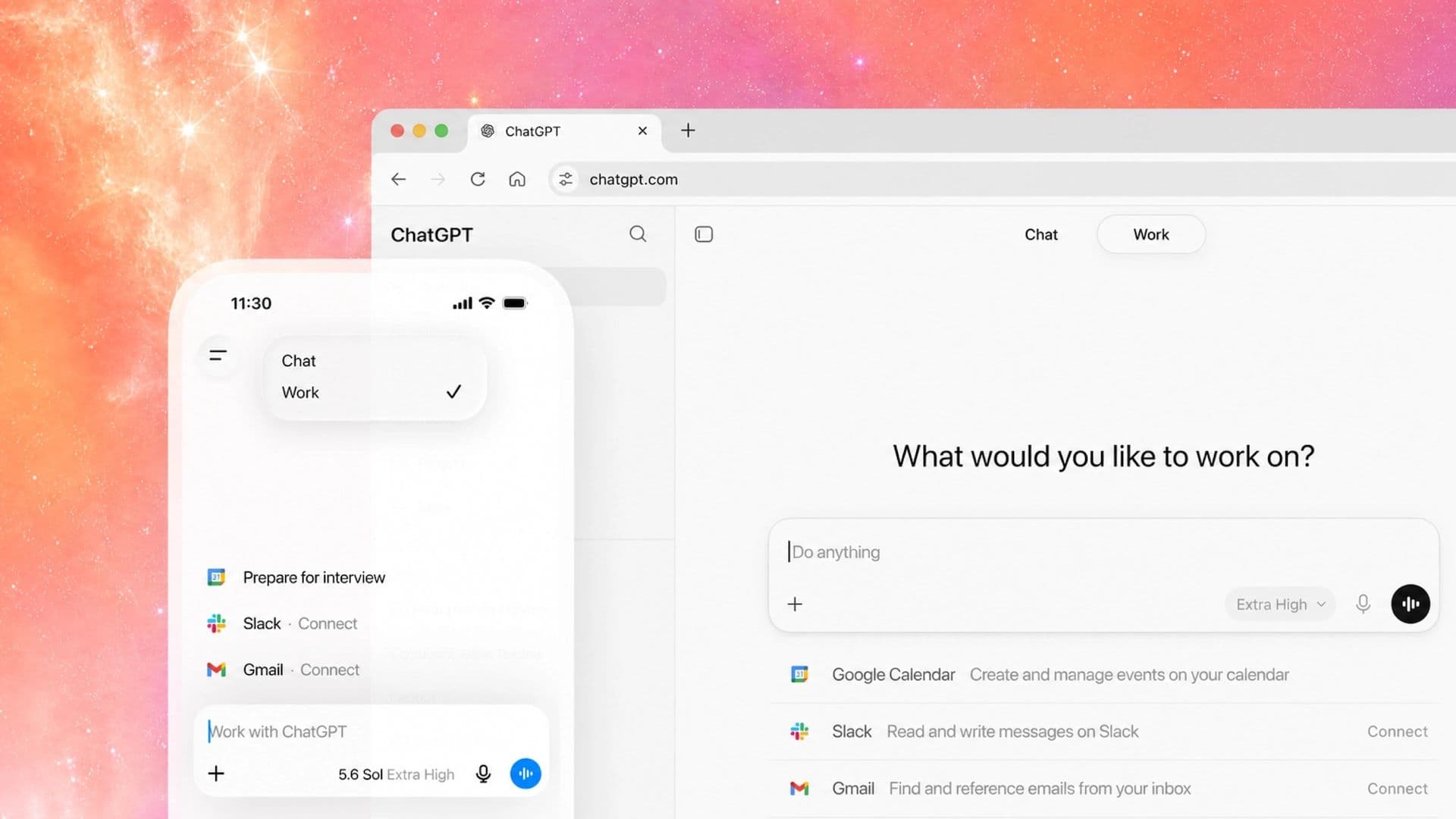
OpenAI targets small businesses with ChatGPT program
The appointments also address questions about OpenAI’s governance. The same board fired and rehired CEO Sam Altman during a chaotic week in 2023, unsettling investors and employees. Bringing in executives who have led large institutions through crises could help reassure stakeholders about the company’s oversight as a potential float approaches.
Why Nubank and BNY matter to OpenAI
The hires have a commercial dimension as well. Nubank and BNY are the kind of financial institutions OpenAI wants as customers. Banks are investing heavily in AI, while Vince has made data and AI central to his overhaul of BNY.
Putting the same two directors on both boards also highlights OpenAI’s unusual structure: its nonprofit foundation remains in control while the for-profit arm raises tens of billions and considers public markets. The arrangement connects the company’s mission and commercial operations, at least formally.
OpenAI has said it has fixed no timeline for an IPO, and a listing would still depend on unresolved questions about its finances and structure. But the board’s composition increasingly points toward a future on the New York Stock Exchange.
Enterprise Editor
Marcus follows the money. He covers enterprise software, cloud architecture, and the tectonic shifts in Big Tech strategy. He translates dense earnings calls and complex M&A activity into actionable insights about where the industry is actually heading. If a tech giant makes a silent pivot, Marcus is usually the first to notice.
via TNW