• 3 min read
Samsung may skip One UI 8.5 for Galaxy S22 and A53
Samsung appears ready to break one of its nicest software habits. The Galaxy S22 series, Galaxy A33, and Galaxy A53 are likely to miss One UI 8.5, even though the company has spent years treating intermediate One UI rele
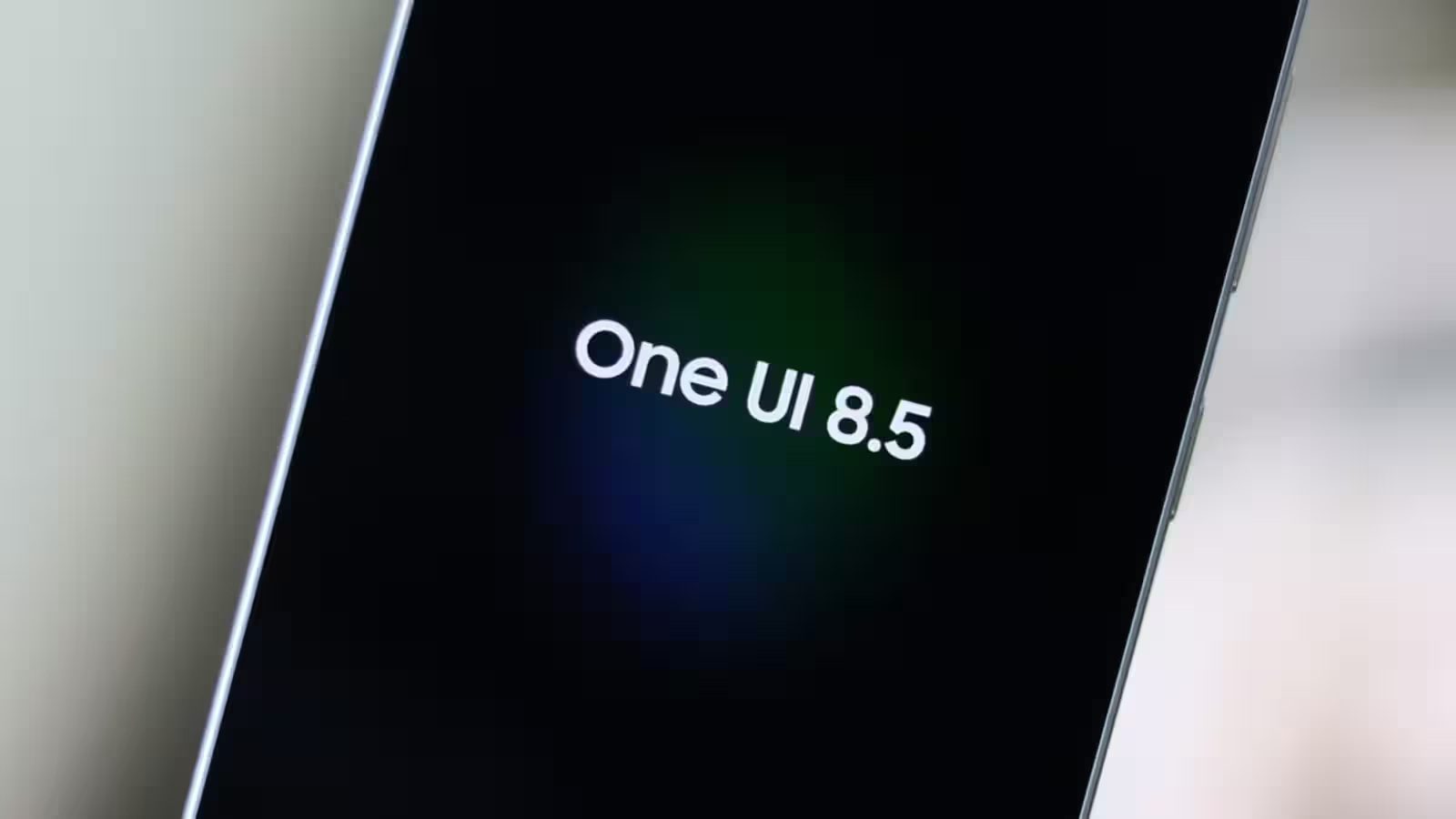
Samsung appears ready to break one of its nicest software habits. The Galaxy S22 series, Galaxy A33, and Galaxy A53 are likely to miss One UI 8.5, even though the company has spent years treating intermediate One UI releases as a last bonus for older phones before support winds down.
That shift matters because it is not about a lack of goodwill. It looks more like Samsung deciding that the next wave of updates is too expensive to port to devices that have already collected their main OS upgrades. In practice, that could make One UI 8.5 a divider between phones that are still technically supported and phones Samsung no longer wants to drag through every extra build.
Galaxy S22 and A53 are the first likely casualties
The clearest sign is the Galaxy S22 line. One UI 8.5 had been actively developed for those models, but that work was frozen in the first half of April 2026. Since then, Samsung’s test servers for the European S22 variants have only shown monthly security patches based on One UI 8.0.
Recommended reading
Samsung may reshape One UI 10 around adaptive AI
The same pattern is showing up on the official side as well. A German Samsung release listing devices that will get One UI 8.5 starts with the Galaxy S23 on the flagship side and only includes the three newest Galaxy A generations, which leaves the 2022 A-series out in the cold.
- Likely missing One UI 8.5: Galaxy S22, Galaxy S22 Plus, Galaxy S22 Ultra, Galaxy A33, Galaxy A53
- Still in line for One UI 8.5: Galaxy S23 and newer flagships, plus the three latest Galaxy A generations
Android 16 QPR2 changes Samsung’s math
The reason is technical, and a bit less romantic than Samsung’s old “farewell gift” tradition. Earlier point releases such as One UI 6.1 were built on the same base as their main version, which made them relatively easy to push to older phones. One UI 8.5 is different because it is built on Android 16 QPR2, not plain Android 16.
That matters because QPR builds are closer to a new platform branch than a simple feature pack. They bring changed architecture, new APIs, and developer tools, which means more engineering work, more testing, and more chances for something to break on older hardware. Google has been using quarterly platform releases to keep Android moving faster; Samsung now seems willing to use that same machinery to draw a sharper line around support.
What Samsung still owes and what it does not
Samsung is still playing by the rules it set. For the Galaxy S22, Galaxy Z Fold 4, Galaxy Z Flip 4, Galaxy A33, and Galaxy A53, the promise of four generations of OS updates is already fulfilled with Android 16 and One UI 8.0. That means One UI 8.5 was always extra, not guaranteed.
That distinction is tidy on paper, but users will not exactly throw a parade for it. The more Samsung leans on intermediate QPR-based releases, the more likely it is to reserve them for newer hardware and let older models coast on security patches alone. The Galaxy S23 looks safe for Android 17 and One UI 9.0; One UI 9.5, though, may be where the company starts saying no more often.

Gadgets Editor
Eli is obsessed with the tangible future. He reviews phones, wearables, and everything with a battery. Known for his rigorous testing protocols and unabashed teardowns, Eli has broken more review units than he cares to admit, all in the name of discovering the truth about durability and repairability.