• 2 min read
Nvidia teams with Fanuc and Yaskawa on AI robots
Nvidia is partnering with Fanuc and Yaskawa Electric to push AI deeper into factory robots, betting on a full-stack play beyond GPUs.
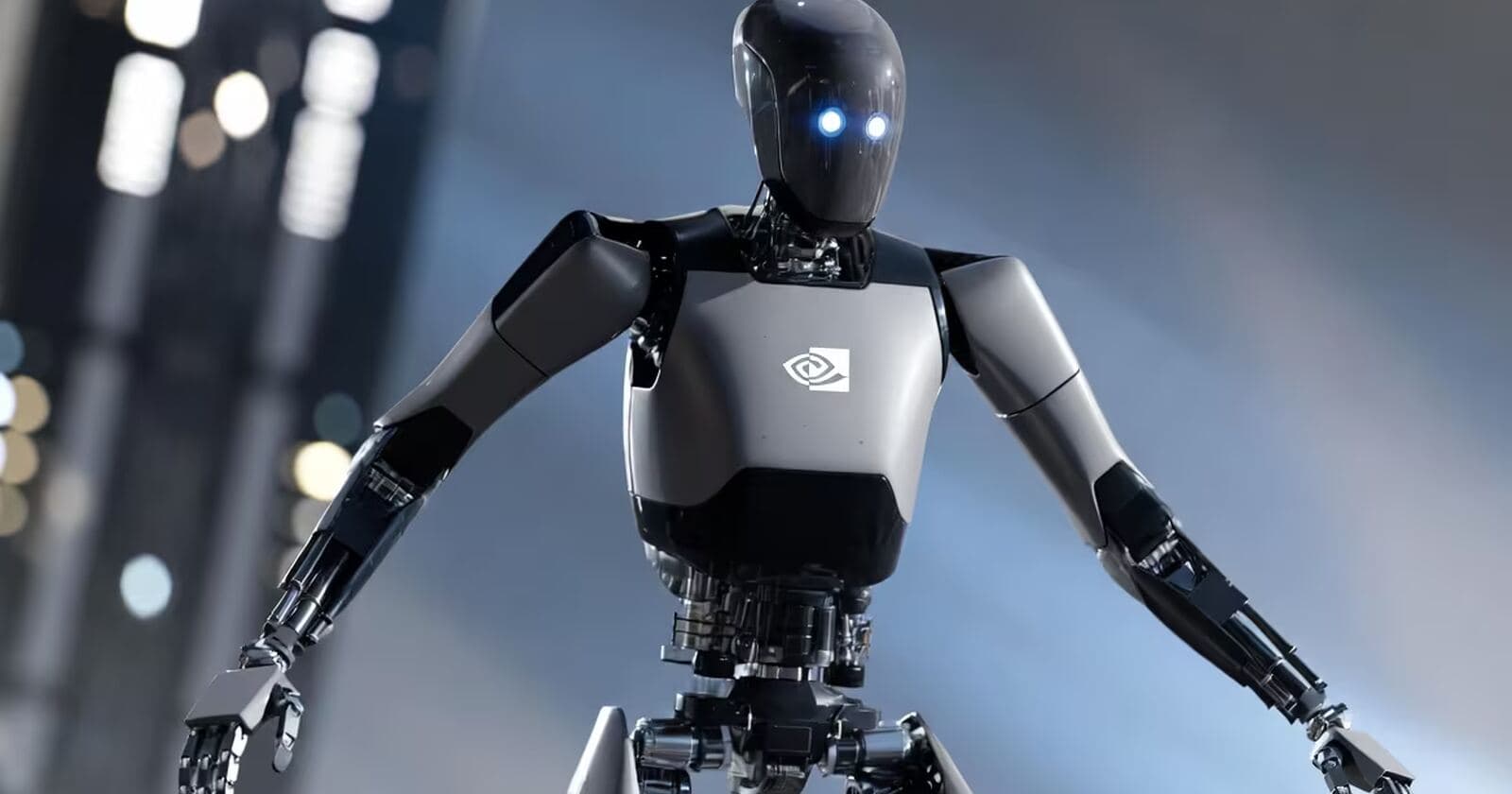
Image: ITzine
Nvidia is pushing harder into industrial automation, announcing partnerships with Japanese robotics companies including Fanuc and Yaskawa Electric. At a press conference in Tokyo, Jensen Huang said AI should make robots “smart, easily adaptable, and accessible.”
The move shows how Nvidia wants to extend its AI business beyond GPUs and into what it sees as the next wave: systems where models operate not on a screen, but on the factory floor and in the warehouse. Fanuc and Yaskawa are obvious partners. Both are among the biggest names in Japanese industrial robotics, and Japan has long been one of the world’s main centers for robot manufacturing and automation components.
According to the International Federation of Robotics, the country remains a global leader in industrial robot production. Japanese companies also hold a significant share of worldwide supplies of drives, servo systems, and robots themselves.
For Nvidia, this is a continuation of the strategy it has been building around Isaac, Omniverse, and its own AI accelerators. After becoming the dominant supplier of chips for training and running neural networks, the company is now trying to turn that lead into infrastructure for “physical AI” — robots that can perceive their environment, plan actions, and retrain for new tasks faster without long manual setup.

Recommended reading
Yandex certifies all Alice AI models to ISO/IEC 42001
Nvidia is far from alone here. Tesla is advancing its humanoid Optimus, Figure AI has raised major funding for general-purpose robots in manufacturing and logistics, and ABB and Siemens are adding AI features to industrial automation. Goldman Sachs has previously estimated the humanoid robot market could reach tens of billions of dollars by the middle of the next decade.
Still, the nearer-term money will likely stay with warehouse and factory systems, not headline-grabbing demos. Nvidia’s goal in these partnerships is not just visibility: if Japanese manufacturers embed its platforms into mass-produced systems, the company can sell a broader stack of hardware, simulation software, and AI training tools rather than a single chip. How well that works at scale may become clearer in 2027, when manufacturers are expected to start showing the first commercial systems with deeper integration of generative AI and computer vision.

AI Editor
Ava covers the rapidly evolving world of artificial intelligence, from foundational models and research labs to the real-world economics of intelligence. With a background in computational linguistics, she cuts through the hype to find out what actually works. She firmly believes that benchmarks are just marketing until reproduced in the wild.
via ITzine