• 2 min read
Nubia’s iMoochi Turns an AI Pet Into a Companion
Nubia’s iMoochi is a furry AI pet with OLED eyes, emotion recognition and owner memory, now on sale in China from 1,699 yuan.
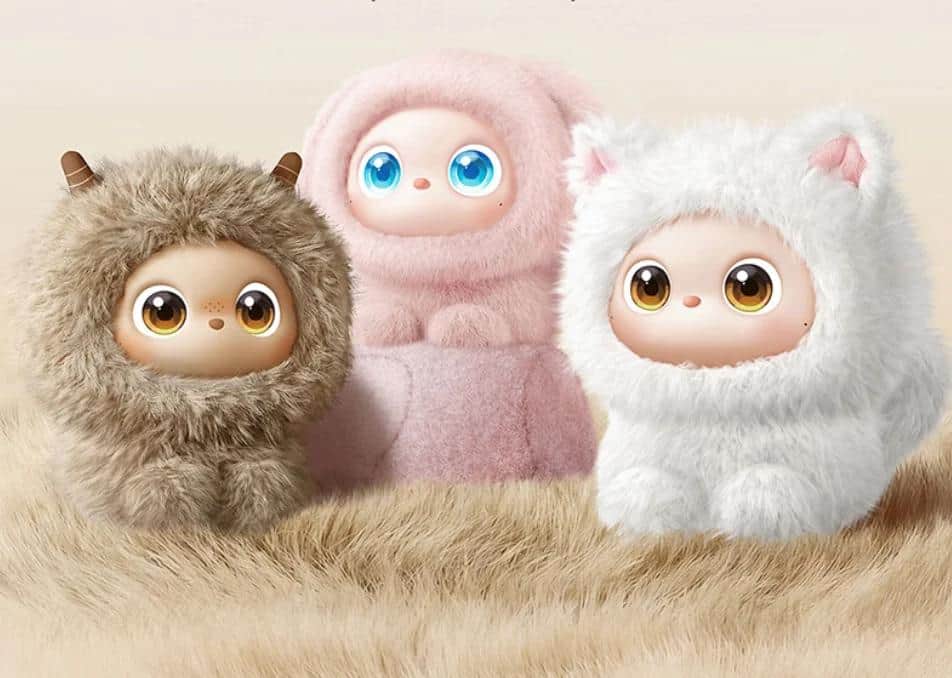
Image: iXBT
Smart speakers are giving way to robotic companions. Nubia has started selling the iMoochi in China, a furry AI pet first shown by ZTE at MWC 2026. It responds to touch, voice and the user’s mood rather than simply answering commands.
The iMoochi costs 1,699 yuan—about $250. A version bundled with a cloud-shaped charging station costs 1,778 yuan, or roughly $262.
Its soft exterior and two OLED displays are designed for emotional interaction. The screens serve as expressive eyes, while built-in motors let the robot nod, shake its head and wag its tail. Five touch sensors, a six-axis motion sensor and multiple microphones help it detect physical contact and determine the direction of a speaker’s voice.
The robot’s AI analyzes both the content and emotional tone of conversations. It can recognize its owner by voice and gradually build a history of interactions. Rather than using a realistic human voice—which the developers avoided to reduce the risk of an “uncanny valley” effect—iMoochi communicates through a custom set of sounds resembling purrs, laughter and other pet-like reactions.
It can yawn on its own, respond to changes in ambient temperature and suggest playing with its owner. Connectivity includes Wi-Fi, 4G and NFC, with NFC enabling interaction between iMoochi robots. The battery provides 8–10 hours of use, while the iMoochi Life app tracks conversation history, the robot’s emotional state and interaction duration.

Recommended reading
Christopher Nolan calls AI a Trojan horse

AI Editor
Ava covers the rapidly evolving world of artificial intelligence, from foundational models and research labs to the real-world economics of intelligence. With a background in computational linguistics, she cuts through the hype to find out what actually works. She firmly believes that benchmarks are just marketing until reproduced in the wild.
via iXBT