

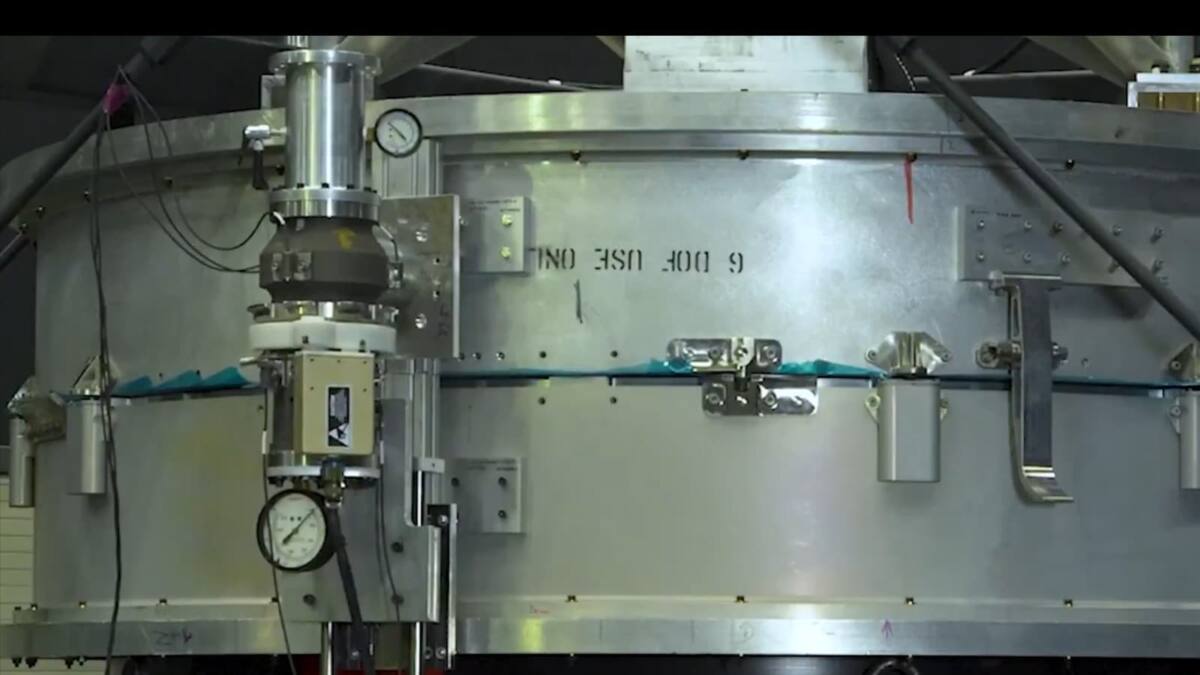
NASA has started testing a new orbital refueling system that could change how spacecraft travel to the Moon, Mars, and beyond. The idea is simple enough: instead of launching every last drop of fuel from Earth, a spacecraft could top up in orbit. The engineering is anything but simple, which is exactly why the agency is putting the hardware through its paces now.
At the center of the NASA orbital refueling project is a cryogenic coupling developed by L3Harris – effectively a robotic fuel nozzle for space. It is designed to link a spacecraft to an orbital fuel depot and transfer liquid hydrogen and liquid oxygen, all without astronauts getting involved. If this works reliably, refueling stops being a heroic manual task and becomes a repeatable operation.
How NASA is testing the refueling hardware
The first round of testing used liquid nitrogen at around -196 °C, a stand-in for the brutal conditions cryogenic propellants demand. Engineers repeatedly connected and disconnected the unit to check sealing, durability, and whether the system could tolerate tiny alignment errors. In other words: the kind of slop real missions inevitably deliver.
NASA says fully automated cryogenic refueling between two spacecraft has not yet been done. That makes the program more than a nice demo; it is one of the hardest plumbing problems in modern spaceflight, because cold propellants are unforgiving and space does not exactly help with convenience.
Why orbital refueling changes deep-space missions
The real payoff is scale. If spacecraft can refill in orbit, they do not need to haul an entire mission’s fuel out of Earth’s gravity well at once, which opens the door to bigger vehicles and longer-range trips. That is the logic behind everything from lunar operations to future Mars missions, and it is also why rivals and partners alike are watching closely: the company that cracks reliable space refueling gets a serious edge in the next era of exploration.
- Fuel transfer: liquid hydrogen and liquid oxygen
- Test fluid: liquid nitrogen at around -196 °C
- Key feature: repeated connect-and-disconnect cycles
- Design goal: tolerate slight docking misalignment
What NASA plans to do next
The technology is still early, so no one should confuse a successful bench test with a working system on a real mission. NASA now has to adapt the hardware for specific flight programs, including lunar exploration and eventual Mars expeditions. If those steps go well, orbital fueling could become as routine as staging – and just as strategically important.