


Ear-hook headphones have long been favored by athletes and fitness fans for their secure fit during workouts. Models like the Beats Powerbeats Pro 2 pair silicone tips with active noise cancellation, while a growing trend leans toward open designs that let in ambient sounds-important for safety when running, cycling, or strolling in urban areas. In 2026, these headphones combine secure fit with features tailored to active lifestyles.
Right now, the Shokz OpenFit Pro lead the open-ear category, while Beats Powerbeats Pro 2 remain top of the line for sports earbuds with active noise isolation. But with plenty of new releases expected in 2026, the competition is heating up and shifting rapidly.
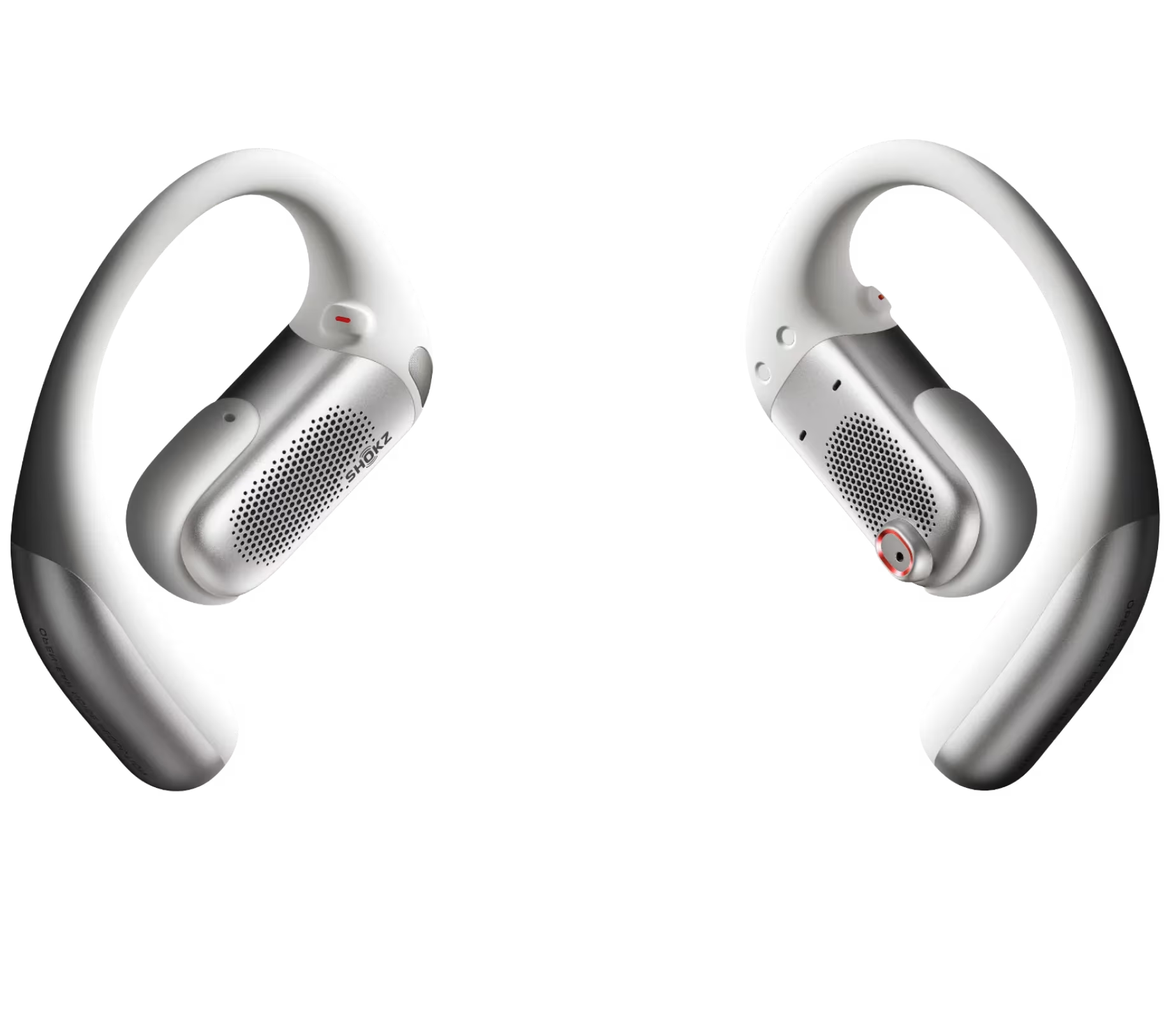
Shokz OpenFit Pro: top open-ear headphones with ear hooks
Pros: Comfortable fit, solid build quality, impressive sound for open design thanks to large dual drivers (11×20 mm), up to 12 hours battery life, noise reduction tech, clear call quality, wireless charging.
Cons: Expensive, noise reduction not as effective as AirPods 4 with ANC.
Shokz aimed to equip their flagship OpenFit Pro with full active noise cancellation, but that’s a tough feat on open-ear buds. They settled on ”OpenEar Noise Reduction,” honestly marking the limits of the feature. Testing shows they dampen background noise less effectively than AirPods 4 with ANC. Still, their sound, comfort, and build remain among the best in the open-ear segment and justify the $250 price tag.
Best for: users who prioritize supreme sound and quality in open sports headphones with ear hooks.
Skip if: you want similar open-ear headphones for under $200-there are cheaper models that slightly trail in audio quality.
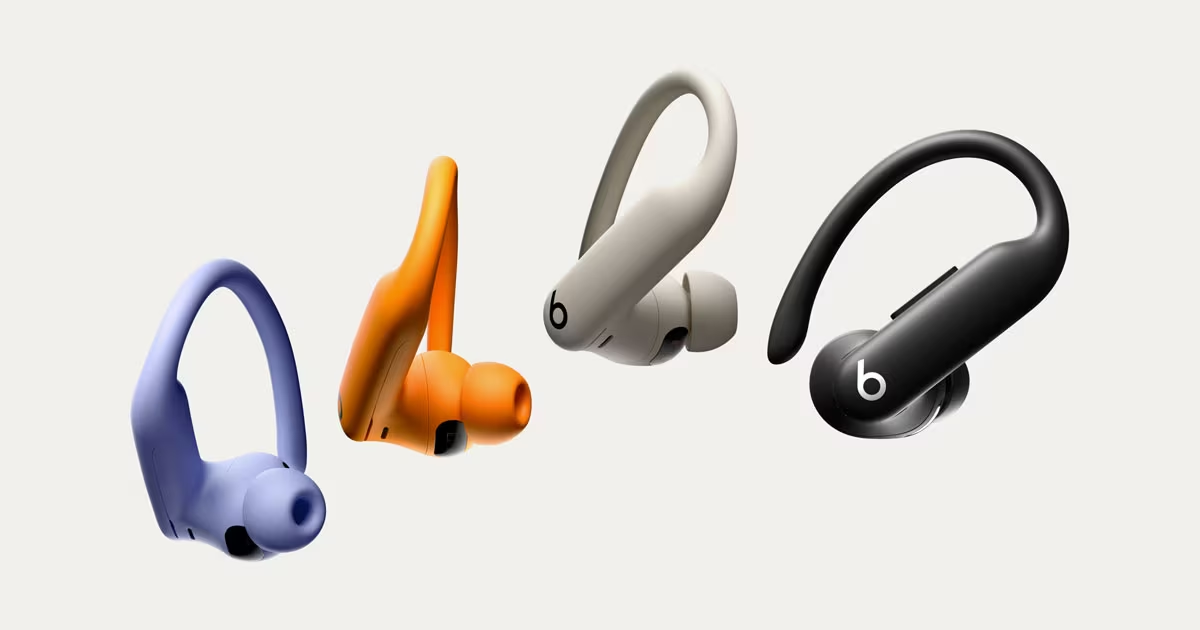
Beats Powerbeats Pro 2: best sport earbuds with noise isolation
Pros: revamped design and improved sound, compact case, Apple H2 chip, effective ANC, excellent call quality, built-in heart rate sensor, long battery life, wireless charging.
Cons: tight fit isn’t universal, lacks some AirPods Pro 2 features, simplified Find My without Precision Finding.
Since the original Powerbeats Pro in 2019, Beats had ample time to overhaul their successor. The result is impressive: new drivers, Apple’s H2 chip, heart rate monitoring, and, for the first time in the series, active noise cancellation. ANC and sound quality both deliver well-provided the earbuds fit snugly.
The ear hook is now 50% smaller and made from flexible yet durable nickel-titanium alloy. The earbuds themselves are 20% lighter. Altogether, Powerbeats Pro 2 approach AirPods Pro 2 in features but remain distinctly geared for sports use. An Android app boosts their appeal for non-Apple users.
Best for: athletes needing reliable fit, solid sound, and noise cancelling.
Skip if: you struggle to get a tight fit with standard tips, as sound and ANC performance will suffer.
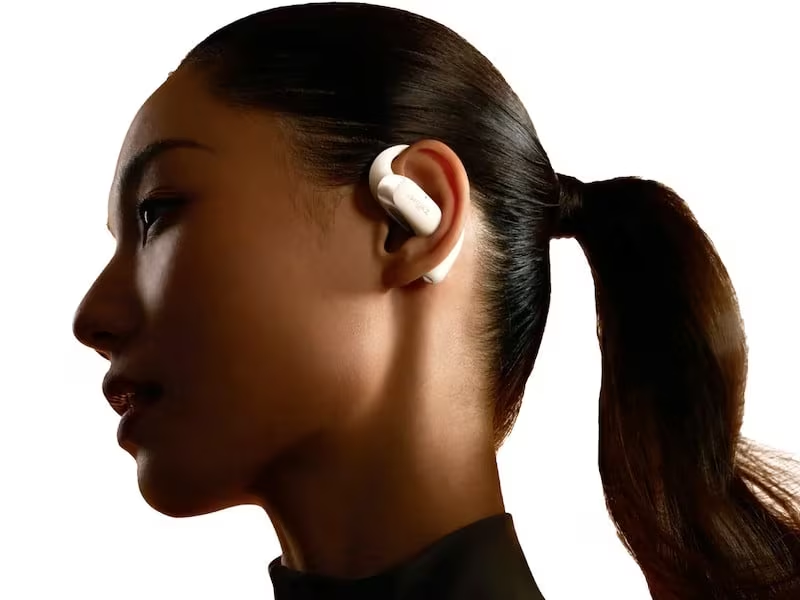
Shokz OpenFit 2: ideal for runners and cyclists
Pros: refined design and comfort, solid sound for open-ear, extended battery life, physical control buttons.
Cons: somewhat pricey for the segment.
Shokz also offers an OpenFit 2 Plus with wireless charging and Dolby Atmos support for a $20 premium. Both variants sound great in quiet settings, fit securely, and handle calls well. Physical buttons on each earbud, with customizable controls, are a welcome feature missing from many rivals.
Best for: runners, cyclists, and anyone who dislikes in-ear tips.
Skip if: you want a more affordable alternative-there are cheaper options with slightly lower sound quality.
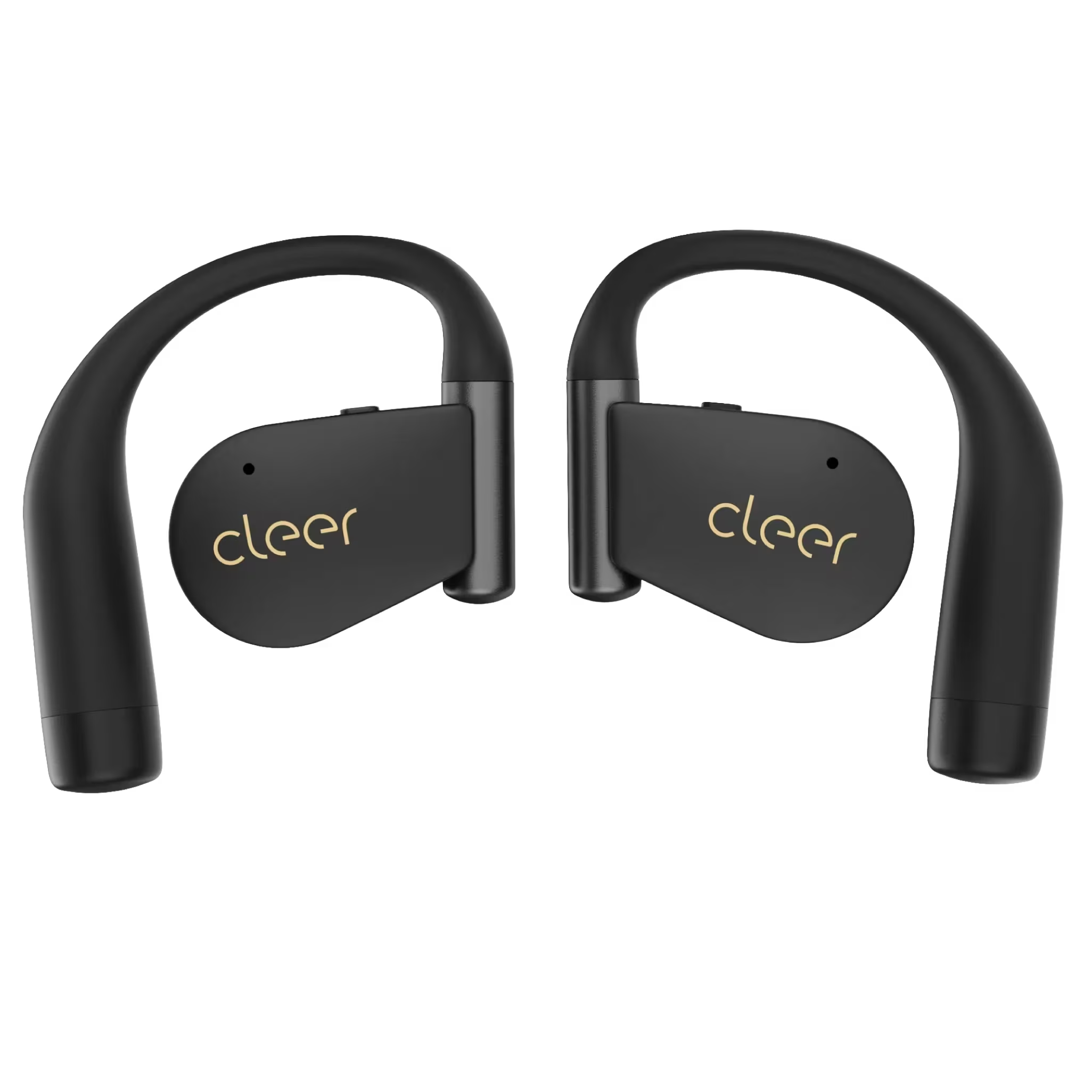
Cleer Arc 5: feature-packed open-ear flagship headphones
Pros: lighter and more comfortable than its predecessor, rich sound with pronounced bass, UV sterilization in case, touch screen on the case, built-in voice assistant, excellent call quality, long battery, Dolby spatial audio with head tracking.
Cons: pricey, large case, slight distortion at high volume.
Cleer Arc 5 builds on the Arc 3’s strengths and adds standout features like a touchscreen LCD on the charging case. From there, you can control playback, tweak EQ, or even use the case as a remote shutter for your phone’s camera.
It also features UV sterilization of earbuds inside the case, a pedometer, gesture controls, Dolby Atmos with head tracking, and voice commands for volume and track changes. The IPX7 rating means full waterproofing. The sound is dense and detailed, though bass can’t quite match the best ANC earbuds at this price.
Best for: users craving a fully loaded open-ear experience.
Skip if: you want a budget pick or find a touchscreen on the case unnecessary.
Anker Soundcore V20i: best budget open-ear headphones
Pros: ultra-affordable, reliable and fairly comfortable fit, up to 8 hours of battery life, compact case, customizable LED lighting.
Cons: lacks bass and detail, plain design, struggles in noisy environments.
The V20i won’t wow audiophiles or style buffs-treble has distortion and bass is weak. But at $30, they stay put well and sound decent. If you want basic open sports headphones without splurging, they’re a sensible pick. The V30i and V40i offer improvements for roughly $40 and $50, respectively, but the V20i justifies its price with balanced value.
Best for: those needing budget open-ear sports earbuds.
Skip if: you demand above-average sound quality.
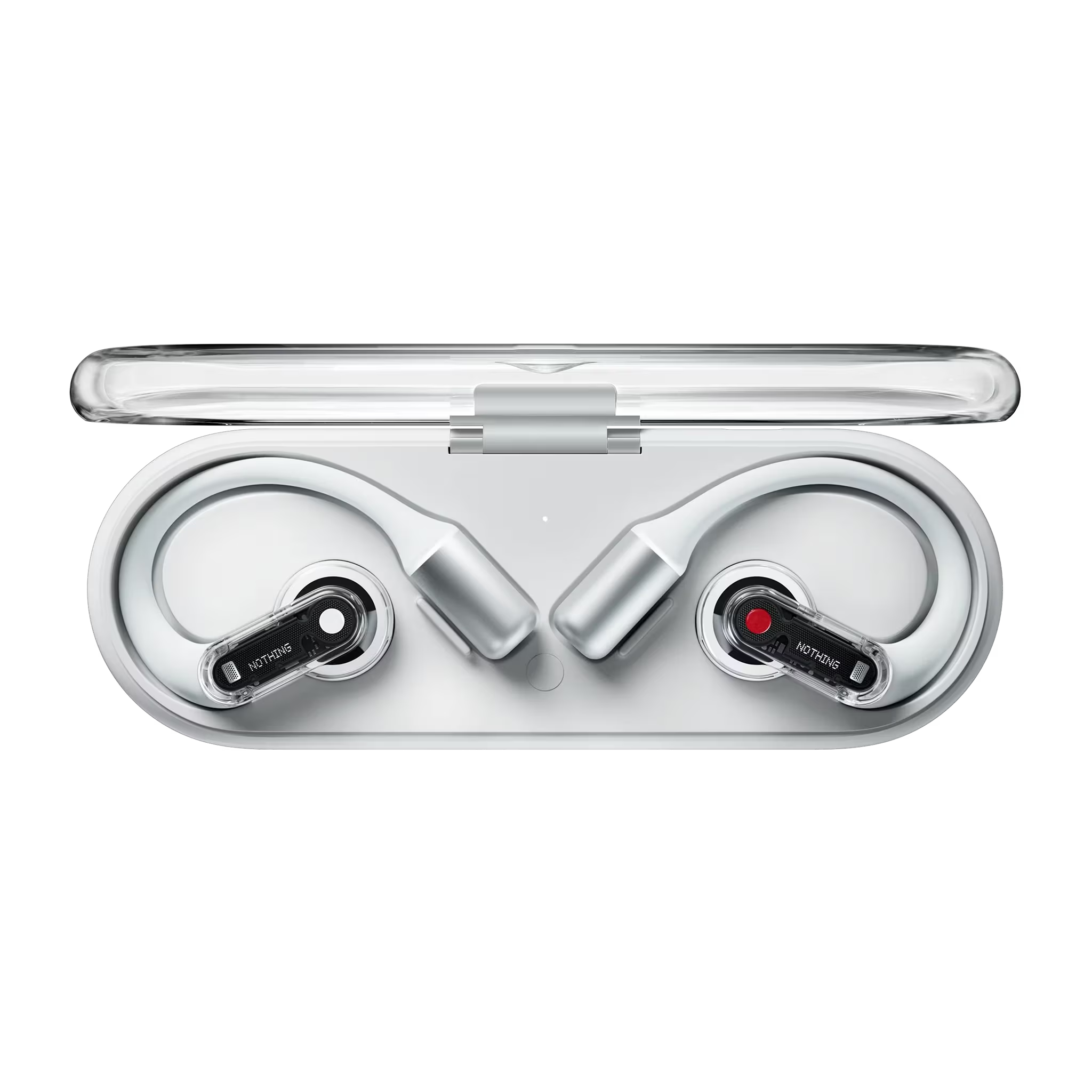
Nothing Ear (Open): stylish and lightweight open-ear earbuds
Pros: lightweight, comfortable fit, sleek design, good sound, intuitive pinch controls, decent battery life.
Cons: some rivals offer slightly better sound.
Nothing Ear (Open) trail the Shokz OpenFit 2 slightly in sound but shine in design with their semi-transparent shells-a fresh, unique look. They’re light, sit comfortably, and control easily with pinch gestures. Battery lasts 8 hours plus 22 in the case. Features include a bass boost mode, low-latency gaming mode, and IP54 splash resistance.
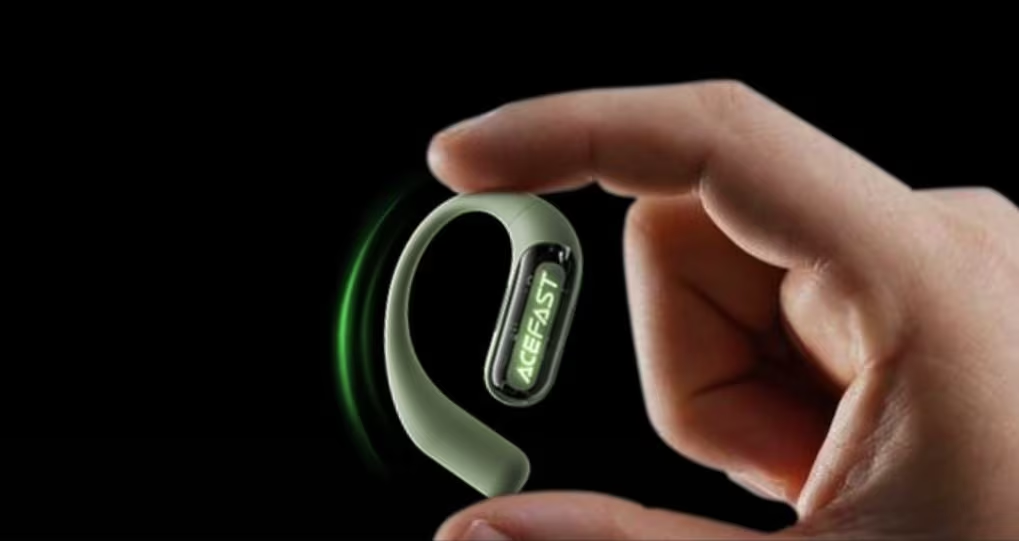
Acefast Acefit Pro: built for training after dark
Pros: lightweight, secure fit with flexible ear hooks, solid sound with notable bass, built-in LED light for night workouts, compact case with charge indicator.
Cons: flashy Acefast logo, battery life could improve.
Acefit Pro stands out with an integrated LED light offering eight modes, increasing visibility during low-light training-though it’s no substitute for a real bike light. The case is slim, with a transparent lid and charging indicator. They deliver good sound for open-ear models, with present bass and decent detail. IP54 rating and $48 price round out the package.
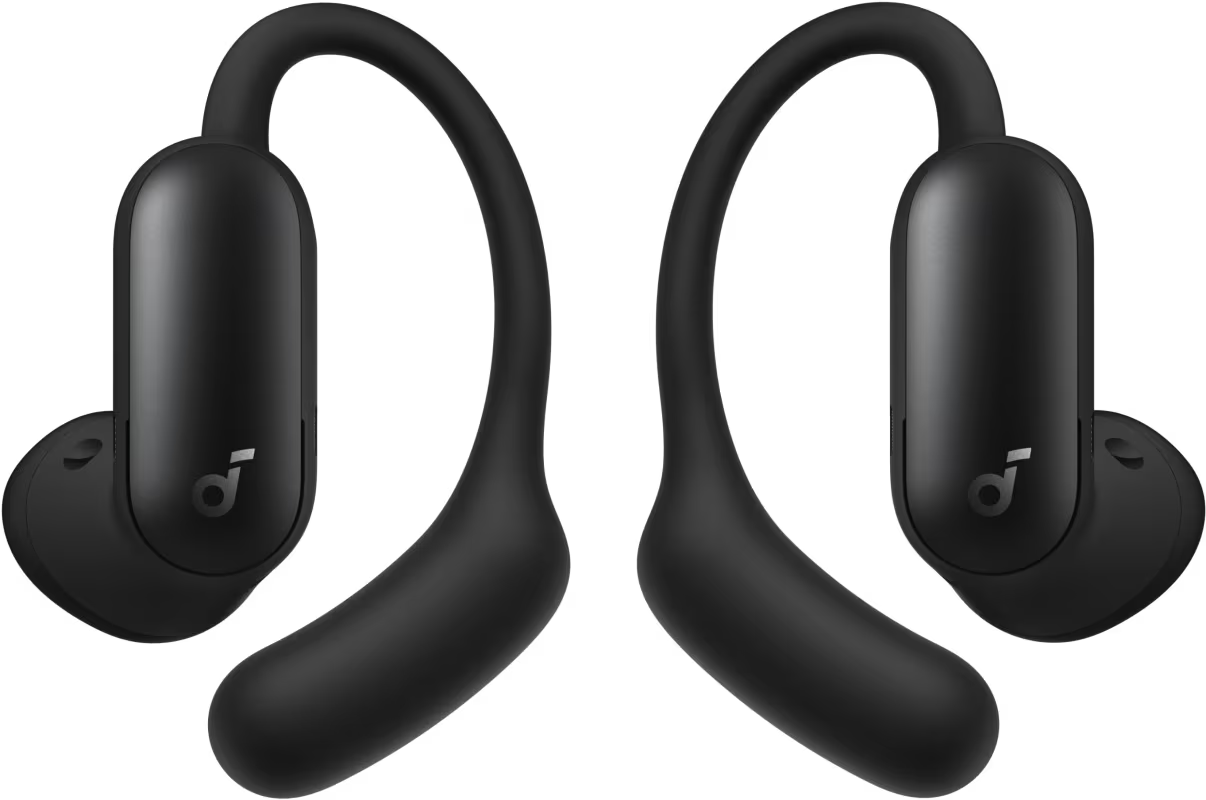
Soundcore AeroFit 2: best value midrange ear-hook earbuds
Pros: comfortable, secure fit, enhanced sound with solid bass, good battery life, attractive price.
Cons: slightly heavier than Shokz models.
AeroFit 2 is a thoroughly revamped version of the original AeroFit, improving comfort, design, and sound. While they don’t quite match Shokz OpenFit 2 sonically, they cost considerably less and strike a nice balance between quality and affordability. A solid choice if you want capable open-ear headphones without jumping to premium price tags.
Suunto Spark: for runners using Suunto smartwatches
Pros: premium look and very comfortable fit, compact case for this class, solid sound, gesture controls, voice prompts synced with Suunto watches, cadence metronome.
Cons: sound quality slightly behind some rivals in this price range, spatial audio mode has minimal effect.
The Suunto Spark ranks among the most elegant and comfy ear-hook headphones available. Weighing just 9 grams, they’re lighter than many competitors, with a more compact case as well. Their standout feature is deep integration with Suunto watches: while running, the earbuds announce pace, heart rate, lap time, and distance in real time. They also offer a metronome to help maintain cadence. Sound is good, though Shokz, Anker, and Cleer deliver a richer audio experience for similar prices.
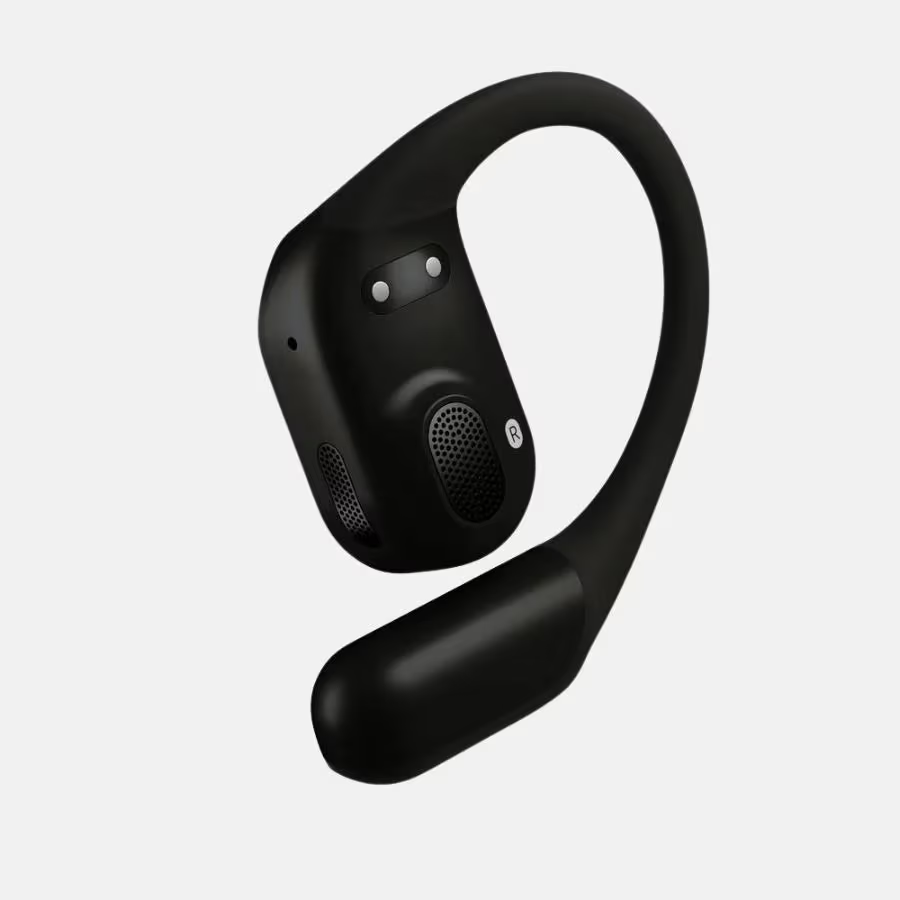
Anker Soundcore X20: best budget ear-hooks with ANC
Pros: refreshed design vs. X10, reliable and comfortable fit, improved sound and noise cancellation, longer battery, full water and dust resistance.
Cons: lacks some clarity, sound quality degrades without proper in-ear seal.
The X20 marks a clear improvement over the X10: adaptive ANC, multipoint Bluetooth pairing, larger 11mm drivers (vs. 10mm), better sound and battery life. The ear hooks are less flexible but sturdier-improving fit security. The case is smaller than most competitors in the ear-hook segment. IP68 rating means full waterproofing and dust resistance. Battery life hits up to 12 hours without ANC, 7 with it active. Price is $64.
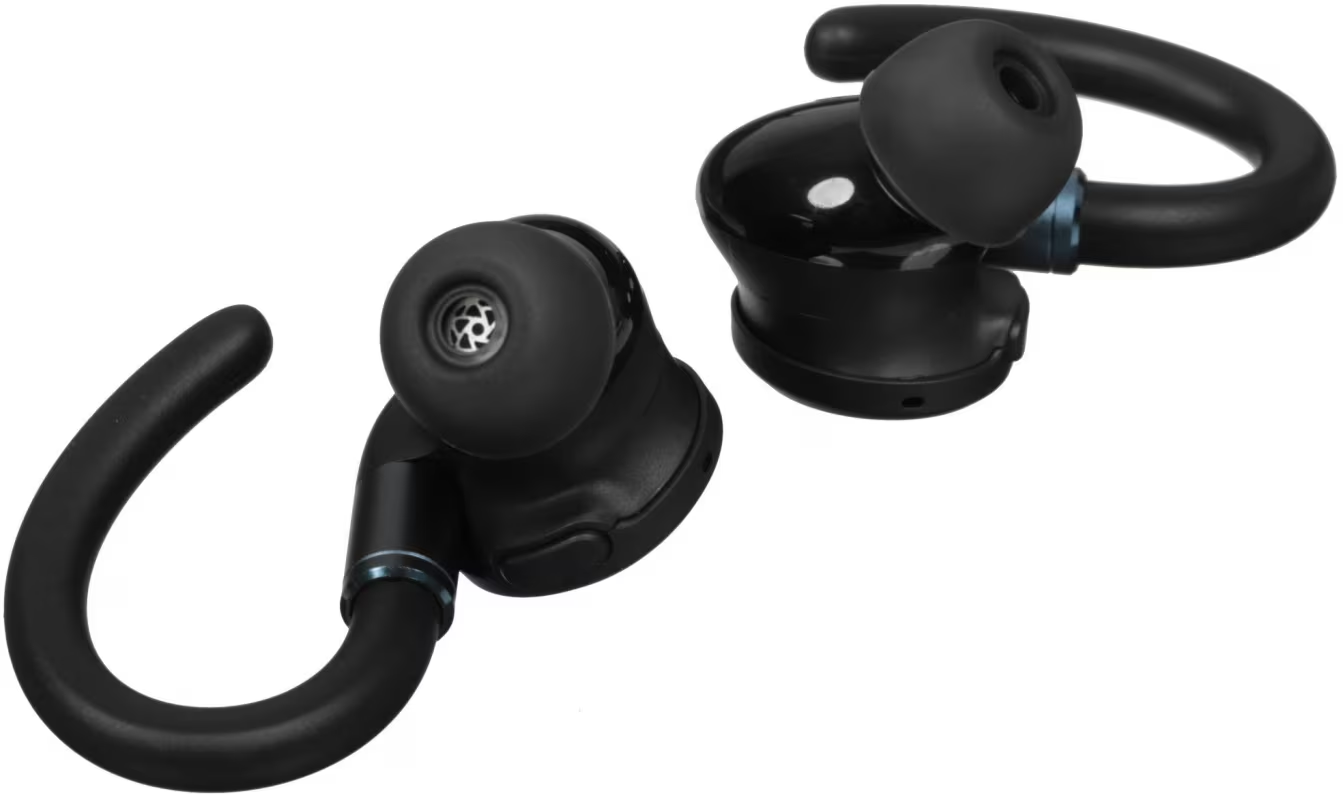
Key factors when choosing ear-hook sports headphones
Budget. Quality in budget headphones keeps climbing yearly. Decent models exist under $75, while $100-150 unlock well-built options with good sound.
Open vs. closed design. In-ear earbuds isolate sound and deliver stronger bass but block outside noise. Open-ear models let in ambient sound-safer outdoors, but generally less bass and richness in audio.
Fit and comfort. Headphones must fit securely without causing discomfort during long workouts. Ear hooks help with grip, but ear shape varies-one model might suit some better than others.
Durability and water resistance. Sports headphones need protection from sweat and rain. IP54 means dust and splash resistant; IP67/68 offers full waterproofing.
Return policies. Buy from retailers with easy returns. It’s tough to pick between models on paper, and actual fit or comfort can vary widely.
With active noise cancellation making inroads into sport-focused ear-hook earbuds and open-ear designs gaining traction for safety, 2026 promises an exciting shakeup. Watch for new arrivals challenging the current leaders and further blurring the lines between sound quality and practical workout use.