

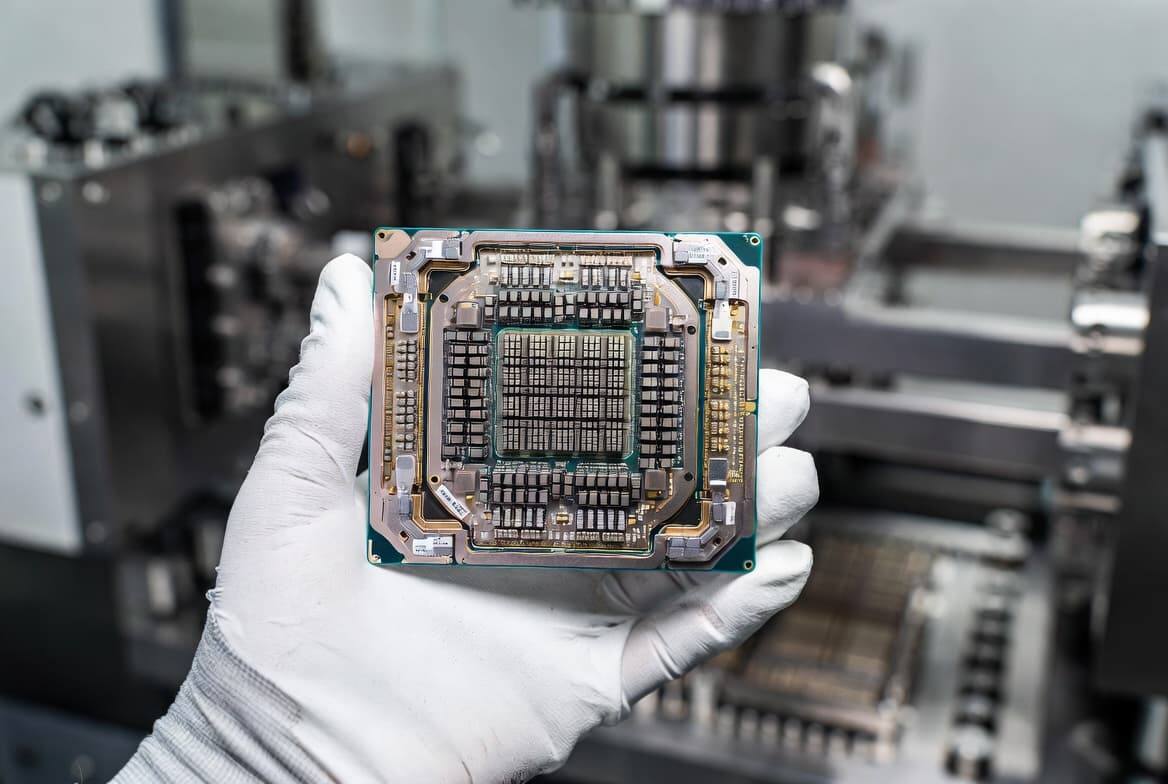
BAE Systems says it has finished testing Endura, a radiation-hardened system-on-chip built for spacecraft and satellites. The Endura SoC is designed to keep a processor alive when space radiation would normally kill it, while giving mission teams enough flexibility to reuse the same chip across different types of hardware.
That matters because space electronics fail in boring, expensive ways: memory gets corrupted, logic misfires, and sometimes the whole system just gives up. For missions that may run for years or venture far beyond easy repair, survivability beats raw speed. The market for that kind of chip is small, niche, and brutally unforgiving – which is exactly why the winners tend to be companies that can combine hardening, certification, and manufacturing control in one package.
What BAE says Endura packs inside
Endura is based on BAE Systems’ RH45 technology and is manufactured on a 45-nanometer process. Production takes place at GlobalFoundries in New York State using silicon-on-insulator technology, a setup meant to improve resistance to radiation. BAE also says the chip brings together a central computing core, network interfaces, a secure boot system, built-in first- and second-level cache, and programmable FPGA blocks that can be reconfigured for a mission’s needs.
- 45-nanometer RH45 design
- Silicon-on-insulator manufacturing at GlobalFoundries
- CPU, network interfaces, secure boot, and L1/L2 cache
- FPGA blocks that can be retuned without swapping the chip
Why programmable logic is the interesting part
The FPGA portion is the clever bit. Instead of forcing engineers to redesign hardware every time a mission changes, BAE can let customers adapt the chip in software-like fashion and push more processing closer to the spacecraft itself. That is useful in space, where every extra connector, board swap, or custom part becomes another thing that can fail after launch.
BAE says RH45 is not limited to Endura and can also underpin other space computing systems, including single-board computers and dedicated satellite electronics. The company is already taking orders for software development kits, while full production is running at its Manassas, Virginia facility, which the US Department of Defense certifies as a trusted microelectronics producer.
Where Endura fits in the space chip race
The timing is sensible. Spacecraft builders are juggling more software, more autonomy, and more data than the old-school satellite era ever demanded, and that means the humble processor has become a mission-critical part rather than a background component. BAE is clearly aiming at both high-stakes Class A programs and lower-cost Class C and D systems, which is a smart way to spread a specialized part across the market instead of living off a few flagship contracts.
The open question is whether Endura becomes a platform that others build around, or just another tough chip in a field where the real competition is trust. In this business, performance specs help, but the bigger selling point is simpler: can the thing keep working after space has spent months trying to break it?