• 2 min read
Moonshot’s Kimi K3 Shakes Up Frontier AI
Alibaba-backed Moonshot says Kimi K3 is a 2.8 trillion-parameter open-weight model that now trails only top proprietary systems on key benchmarks.
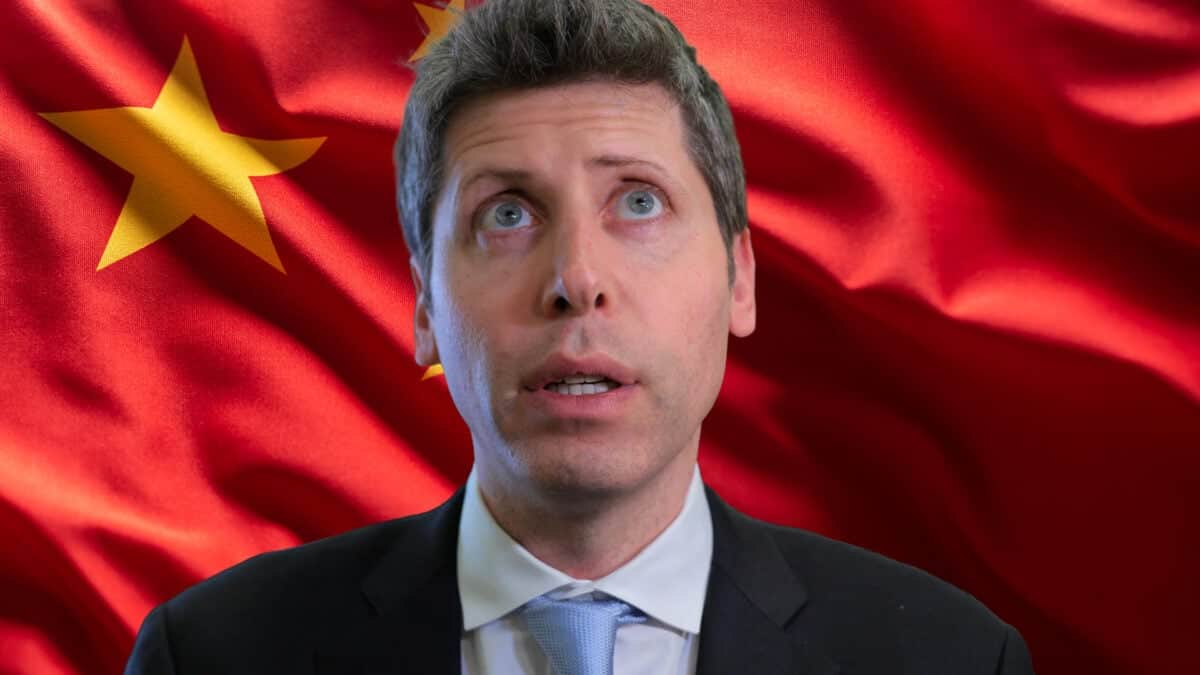
Image: Gizmodo
Alibaba-backed Moonshot has unveiled Kimi K3, a 2.8 trillion-parameter model that is already rattling assumptions about how far Chinese AI labs trail their US rivals. Moonshot says K3 will become the largest open-weight model released to date when its weights are made available by July 27.
In a blog post, the company said K3 still falls short of Claude Fable 5 and GPT-5.6 Sol overall. But Moonshot’s internal tests place it close to both on several tasks, and independent evaluations from Artificial Analysis rank it just behind the top proprietary systems on both its Intelligence Index and real-world work assessments.
On Arena.ai’s front-end development leaderboard, K3 ranks above those two leading models, a 17-place jump from Kimi K2.6. Arena CEO Anastasios Angelopoulos called it a landmark release in a post on X.
“Kimi K3 may be the single biggest release of the year” and “the moment that OSS Chinese models have surpassed US models.”
That is a striking result for an open-source model, and it cuts against the idea that China’s top labs remain months behind US companies. Anthropic released Fable 5 last month, while OpenAI launched GPT-5.6 — including Sol, Terra, and Luna tiers — last week.
Recommended reading
A compact RL book now bundles code from MC to PPO
Sriram Krishnan, President Trump’s former senior White House policy advisor on AI, said on X that “Kimi k3 is a big moment with multiple implications for the entire industry.”
The comparison to DeepSeek R1 is hard to miss. When DeepSeek released that lower-cost model in January 2025, the market response helped erase roughly $1 trillion from global tech stocks. The release also intensified national security concerns in Washington and partly shaped the Trump administration’s tougher stance on advanced tech exports to China.
K3 also lands only months after Anthropic accused Moonshot, DeepSeek, and MiniMax of breaking its rules to illicitly extract Claude’s capabilities and use them to improve their own systems. That practice, known as distillation, is common across the industry, but the Trump administration has labeled it “adversarial” and said it would crack down on it.
With Kimi K3 arriving under heavier scrutiny of the US-China AI race, its release is likely to sharpen the debate in Washington over export controls, distillation, and whether current restrictions are slowing Chinese labs at all.

AI Editor
Ava covers the rapidly evolving world of artificial intelligence, from foundational models and research labs to the real-world economics of intelligence. With a background in computational linguistics, she cuts through the hype to find out what actually works. She firmly believes that benchmarks are just marketing until reproduced in the wild.
via Gizmodo