• 3 min read
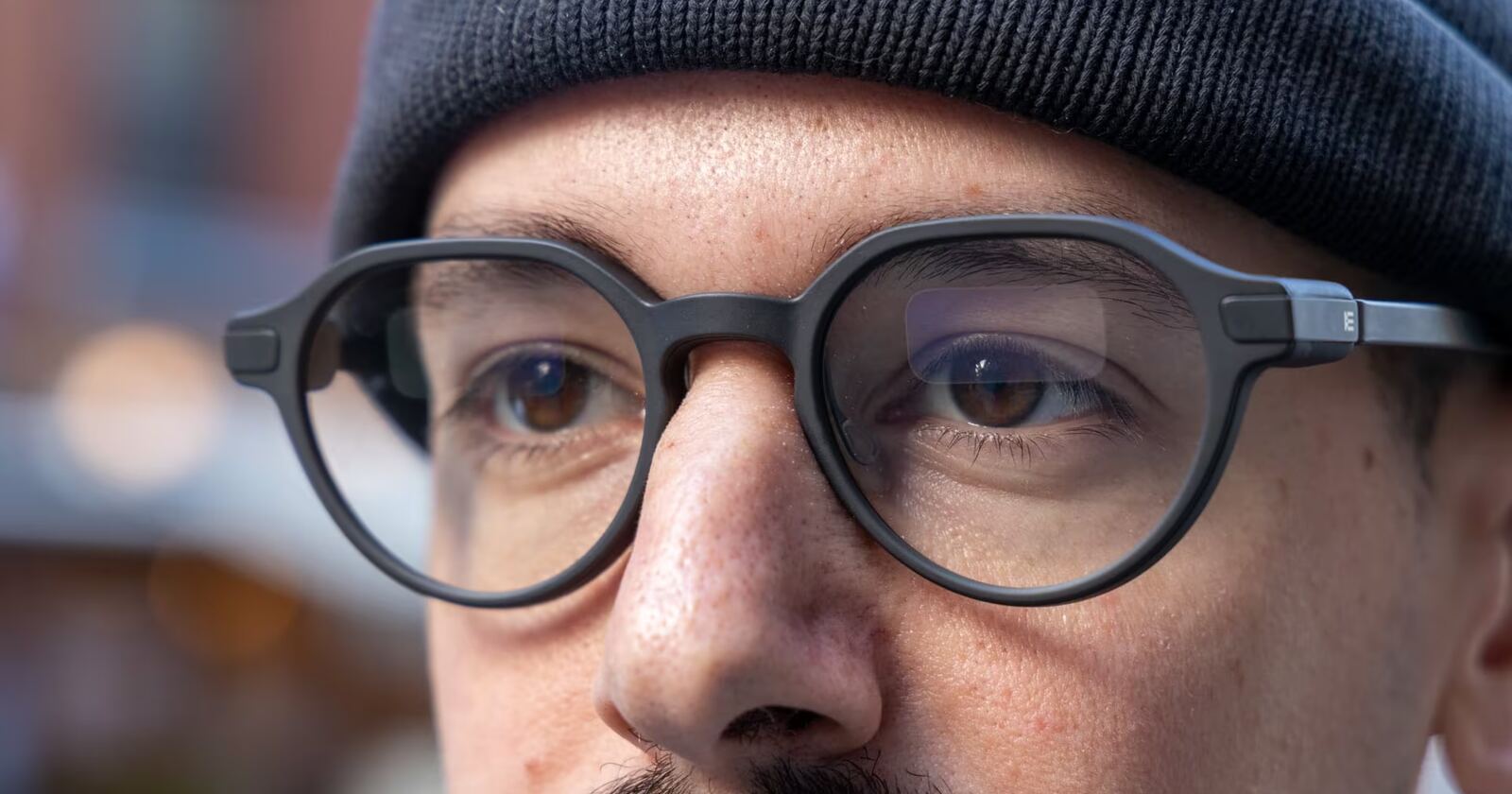
Meta smart glasses got a pro cyclist disqualified
Willie Smit was removed from the Tour of Magnificent Qinghai after officials said his recording glasses broke UCI rules on onboard tech.

Image: Mashable
After 14 years without a race disqualification, Willie Smit was kicked out of the opening stage of the Tour of Magnificent Qinghai for wearing recording-enabled smart glasses.
The 33-year-old South African rider, competing for China’s Anta-Mentech Cycling Team, said on X that officials disqualified him because his glasses violated Union Cycliste Internationale rules on onboard technology. Smit said he did not know about the restriction and argued that “a warning, fine or yellow card” would have been enough.
The issue was not that he recorded the race, but where the camera was placed. Under UCI rules, riders can generally use cameras during competition only if they are mounted to the bicycle. A recording device worn on the rider’s body is not allowed unless a specific discipline permits it. Because Smit’s camera was built into his glasses, the UCI treated it as prohibited equipment and disqualified him after the first stage.
Smit said the restriction was a new rule introduced in April. The UCI section covering onboard technology was first added in 2021, and has since been updated as cameras, GPS computers, sensors, and other devices have advanced. He also questioned why Tour de France riders have been allowed to film during stages. But the example he cited — Lidl-Trek rider Toms Skujiņš filming Victor Campenaerts mid-stage — used a camera mounted to the bike, which fits the rules.
Smit maintained that he used the glasses only to capture his view of the race. He said their AI features do not work without a connected phone and that, while riding, they could “do nothing but record video.” There is no indication he used them for coaching, performance data, or outside assistance.

Recommended reading
EU spares smartwatches from battery swap rule
Oakley Meta Vanguard features
The glasses at the center of the dispute, Oakley Meta Vanguard, were built with athletes in mind. Meta markets them as “Performance AI glasses” for high-intensity sports and says their design fits under cycling helmets. The company promoted the model during the 2026 Super Bowl with iShowSpeed and former NFL player Marshawn Lynch.
They include a 12-megapixel camera, video recording up to 3K, microphones, and speakers for audio and voice interaction. When paired with a compatible Garmin device, they can provide spoken updates on heart rate, speed, and pace. They can also automatically record clips based on distance, speed, elevation, or heart-rate milestones, and add Strava data to photos and videos afterward.
Under UCI rules, officials did not need to prove Smit was using any of those advanced features — only that he was wearing the device.
The incident lands as Meta pushes smart glasses further into sports and daily life. In June, the company unveiled 26 versions of new Meta-branded frames, including an oval model designed with Kylie Jenner, while continuing to sell Ray-Ban and Oakley lines. At the same time, scrutiny over recording-enabled eyewear is growing. The College Board bars smart glasses during the SAT, the New York State court system is banning eyewear with recording equipment starting July 20, and a Florida school district has barred the devices from campuses and school buses. In South Korea, prosecutors have also brought a criminal case against a man accused of using AI-powered glasses to cheat on a national licensing exam.

Gadgets Editor
Eli is obsessed with the tangible future. He reviews phones, wearables, and everything with a battery. Known for his rigorous testing protocols and unabashed teardowns, Eli has broken more review units than he cares to admit, all in the name of discovering the truth about durability and repairability.
via Mashable