• 2 min read
Smart Glasses Exam Cheating Case Turns Criminal in Korea
A man in South Korea faces criminal prosecution after allegedly using smart glasses and a custom app on a national fire safety engineer exam.
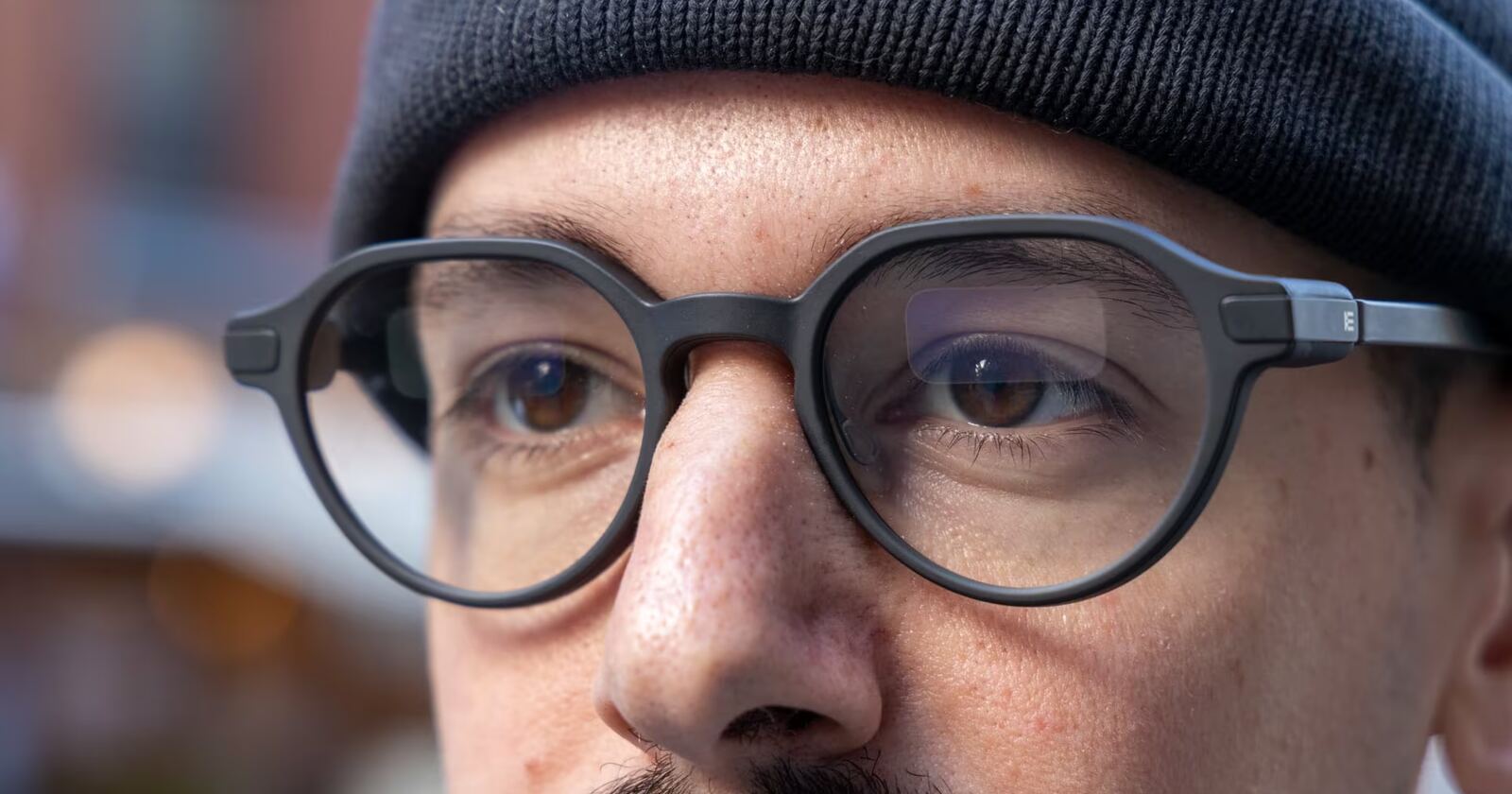
Image: gizmodo
A man in South Korea is facing criminal prosecution after allegedly using smart glasses during a national licensing exam for fire safety engineers. According to JoongAng Daily, an exam administrator first noticed a reflection in the lenses, and the suspect later described in detail how the setup worked.
During questioning, he admitted he had built an app that worked with the glasses and wanted to test whether the system could feed him correct answers during a real exam. Authorities are treating the case seriously because this was not a university test but a national technical qualification exam. The Gwangju District Prosecutors' Office says the scheme may have violated South Korea’s National Technical Qualifications Act.
This is not the first recent case. JoongAng Daily reports that in May, two other men were caught using smart glasses during national qualification exams in South Korea. After that, government exam administrators held urgent talks and began preparing specific rules targeting the devices, along with penalties for using them.
Why smart glasses are harder to catch
For test organizers, the problem is that newer devices increasingly look like ordinary eyewear. Earlier models were easier to spot because of visible cameras, thick frames, or obvious displays. Newer products can be much subtler. The article points to Even Realities' glasses, where only small waveguides in the lenses may give them away.
That shift is turning an old cheating problem into a harder enforcement issue. Meta and EssilorLuxottica continue to push the Ray-Ban Meta line, while Google and Samsung have helped bring smart eyewear back into the mainstream over the past two years.

Recommended reading
Meta smart glasses got a pro cyclist disqualified
Exam rules are tightening
The challenge is not limited to South Korea. In the US, there is no single federal ban on smart glasses during exams, but testing bodies and schools already restrict wearable electronics. The College Board, which runs the SAT and other standardized tests, bans electronic wearable devices, and many schools and universities follow similar rules.
What has changed is the addition of AI-powered assistance. Instead of just storing notes or relaying messages from a remote helper, smart glasses can now connect to services that interpret a question in real time and return an answer almost immediately. By his own account, that is exactly what the accused man wanted to test.
If the South Korean case ends with a real penalty, it could give exam centers elsewhere a stronger case for tougher inspections and blanket bans on smart eyewear, even when it looks almost identical to regular glasses.

Gadgets Editor
Eli is obsessed with the tangible future. He reviews phones, wearables, and everything with a battery. Known for his rigorous testing protocols and unabashed teardowns, Eli has broken more review units than he cares to admit, all in the name of discovering the truth about durability and repairability.
via ITzine