• 2 min read
Linux pushes Rust as new kernel code shifts from C
Greg Kroah-Hartman says Rust is now a permanent part of Linux, with some new kernel subsystems set to accept Rust-only drivers.
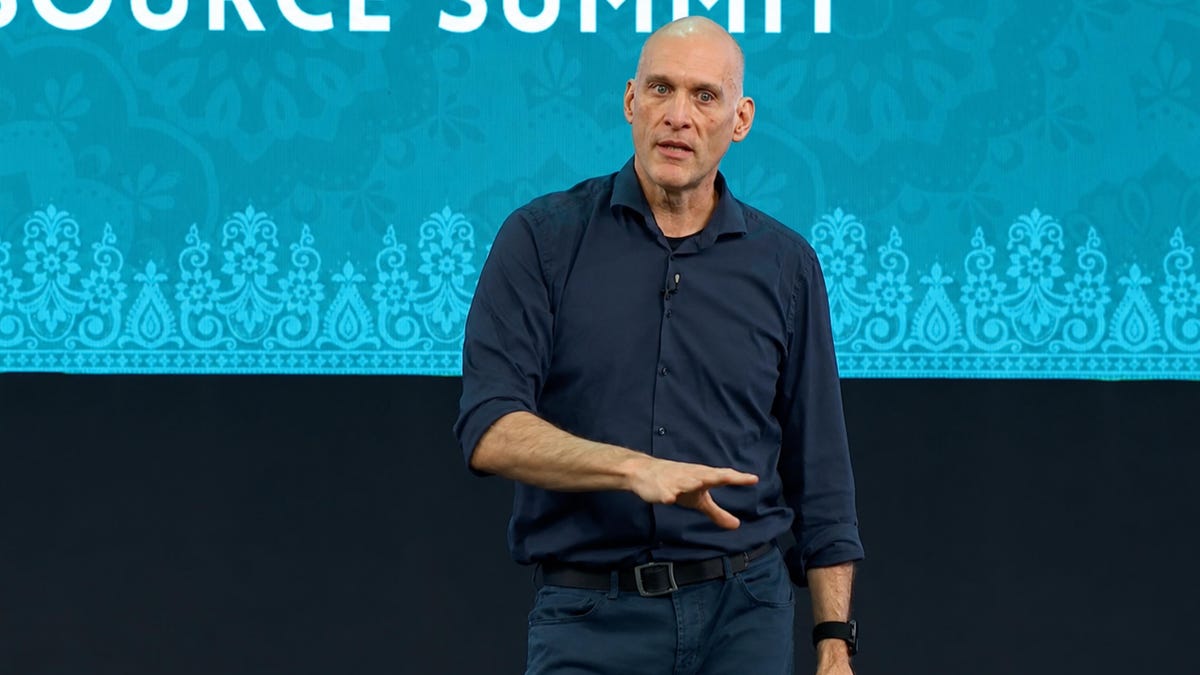
Image: ZDNET
Rust is no longer an experiment in Linux, according to stable kernel maintainer Greg Kroah-Hartman, who says some new kernel subsystems will accept only Rust code going forward.
Speaking at Open Source Summit India 2026 in Mumbai, Kroah-Hartman said, “the [Linux] kernel is moving toward Rust. Git is moving toward Rust. Lots of projects are starting to move toward Rust.” That marks a sharp shift for a longtime C developer who said he once dismissed Rust before concluding that “Rust makes programming fun again.”
His argument is practical rather than ideological. Kroah-Hartman said Linux handles about 13 CVEs a day and has been running at almost nine changes an hour for a decade or more. Most of those flaws, he said, are routine C errors such as unchecked pointers, missed unlocks, and broken cleanup paths.
“I’ve seen every CVE the kernel has done in the past 25 years. I think 80% would be gone, just because they would be caught by Rust.”
He stressed that Rust is not a cure-all: logic bugs still happen, and “Rust will still crash just fine.” But by catching memory-safety and lifecycle mistakes at build time, it can reduce the review burden on Linux’s relatively small maintainer base. Kroah-Hartman said Linux has over 5,000 developers but only about 150 core maintainers reviewing most code, so the project now optimizes for reviewers rather than contributors.

Recommended reading
OpenAI’s first gadget is a $230 coding keypad
Where Linux is using Rust
Kroah-Hartman said the shift is already changing policy. New drivers for some subsystems are only going to be accepted in Rust, and he singled out the graphics subsystem as one area headed that way. He also said Binder, Android’s IPC mechanism, now has both C and Rust implementations in the kernel, but the C version “will go away soon,” leaving Rust as the foundation for “all Android devices going forward.”
The transition is not a plan to rewrite Linux wholesale. Referring to remarks he made earlier this year at Rust Week in Utrecht, Netherlands, Kroah-Hartman said maintainers want Rust for new work, not broad rewrites of existing C code.
Rust has already influenced the kernel beyond new modules. He said Linux maintainers revisited older C APIs to add guards, scoped reference counting, and other memory-safety improvements inspired by Rust bindings. Even without a full migration, he argued, Rust has already made the kernel’s C code better.
As he put it, the decision is settled: “The Rust experiment is over. It’s real.”

Computing Editor
Tomas lives in the terminal. He covers chips, laptops, and operating systems with a focus on performance and efficiency. He reads kernel changelogs the way other people read fiction, and he's always on the hunt for the perfect mechanical keyboard switch. If it processes data, Tomas has an opinion on it.
via ZDNET