• 2 min read
Kimi K3 reignites OpenAI’s open-model fight
China’s Kimi K3 has renewed the fight over open AI models, with OpenAI warning of control risks and David Sacks defending competition.
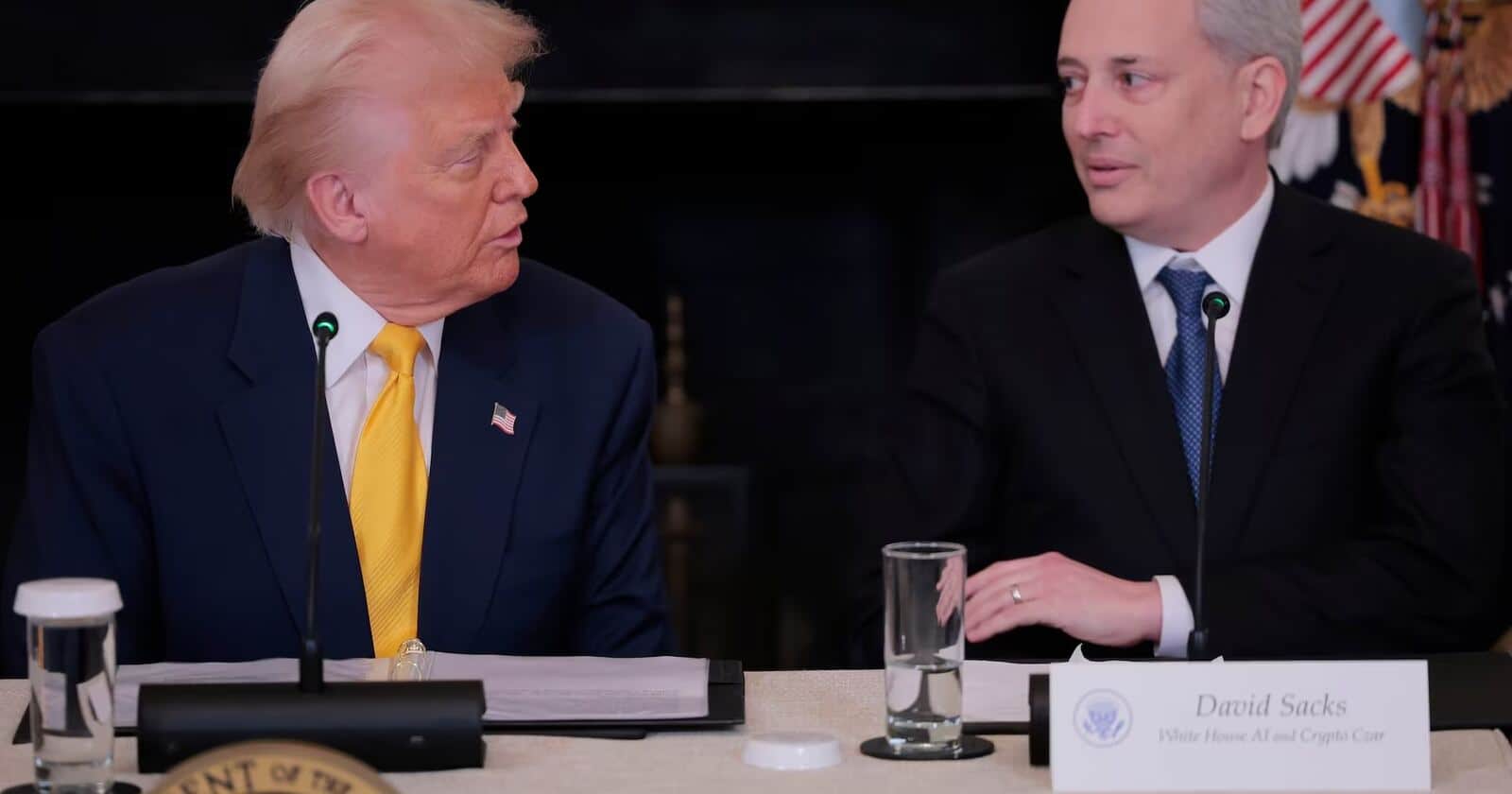
Image: ITzine
China’s new Kimi K3 open AI model has reignited a long-running argument over whether powerful systems should be released with open weights. OpenAI has warned about the risks of “uncontrollable” models, while David Sacks, the former White House AI and crypto coordinator, accused closed laboratories of trying to suppress competition.
The dispute began with a post by Dean Ball, recently appointed OpenAI’s Head of Strategic Futures. Ball argued that open AI development creates risks and makes systems “unmanageable.” He also said Kimi K3 was comparable to the best American models, while suggesting that China releases powerful open-weight systems too freely.
Ball’s argument went beyond Kimi K3. He linked open development to declining incentives for companies to invest in closed products and described a possible future in which AI becomes public infrastructure rather than remaining a private service.
Kimi K3 and the open-model divide
The reaction was swift. Generative AI is already split between two broad camps:

Recommended reading
Roscosmos tests AI for ISS crew reports
- Closed ecosystems, built around subscriptions and APIs.
- Open-weight models, which can be modified, run locally, and integrated into third-party services.
Meta* is advancing Llama, Mistral continues to support an open approach, and Chinese laboratories are accelerating their own releases to avoid ceding the market to US companies.
Kimi K3 hits several pressure points at once. If the model can genuinely perform near Claude and GPT-5.6, the argument that open models are inherently second-rate becomes weaker. The debate then shifts from model quality to control, monetization, and which companies will set the rules for enterprise customers and regulators.
Ball also has a clear institutional interest in that debate: as strong open models spread, closed laboratories face greater pressure to justify high prices and strict access controls.
Sacks used the dispute to target regulation rather than open source itself. He argued that major players are trying to turn regulation into a barrier for startups. With the US also discussing possible restrictions on Chinese models, a technology debate can quickly become a fight over rules in the AI market’s fastest-growing segment.
If the White House returns to proposals restricting foreign models, open releases from China could become both a technological and political target. For now, closed and open laboratories remain divided over revenue, distribution speed, and influence among developers.
Meta is recognized as an extremist organization in Russia, and its activities are prohibited there.

AI Editor
Ava covers the rapidly evolving world of artificial intelligence, from foundational models and research labs to the real-world economics of intelligence. With a background in computational linguistics, she cuts through the hype to find out what actually works. She firmly believes that benchmarks are just marketing until reproduced in the wild.
via ITzine