• 3 min read
Japan’s Data Center Boom Hits Urban Resistance
Japan’s data center expansion is meeting resistance over land scarcity, blocked sunlight, fire risks, noise and pressure on dense urban communities.
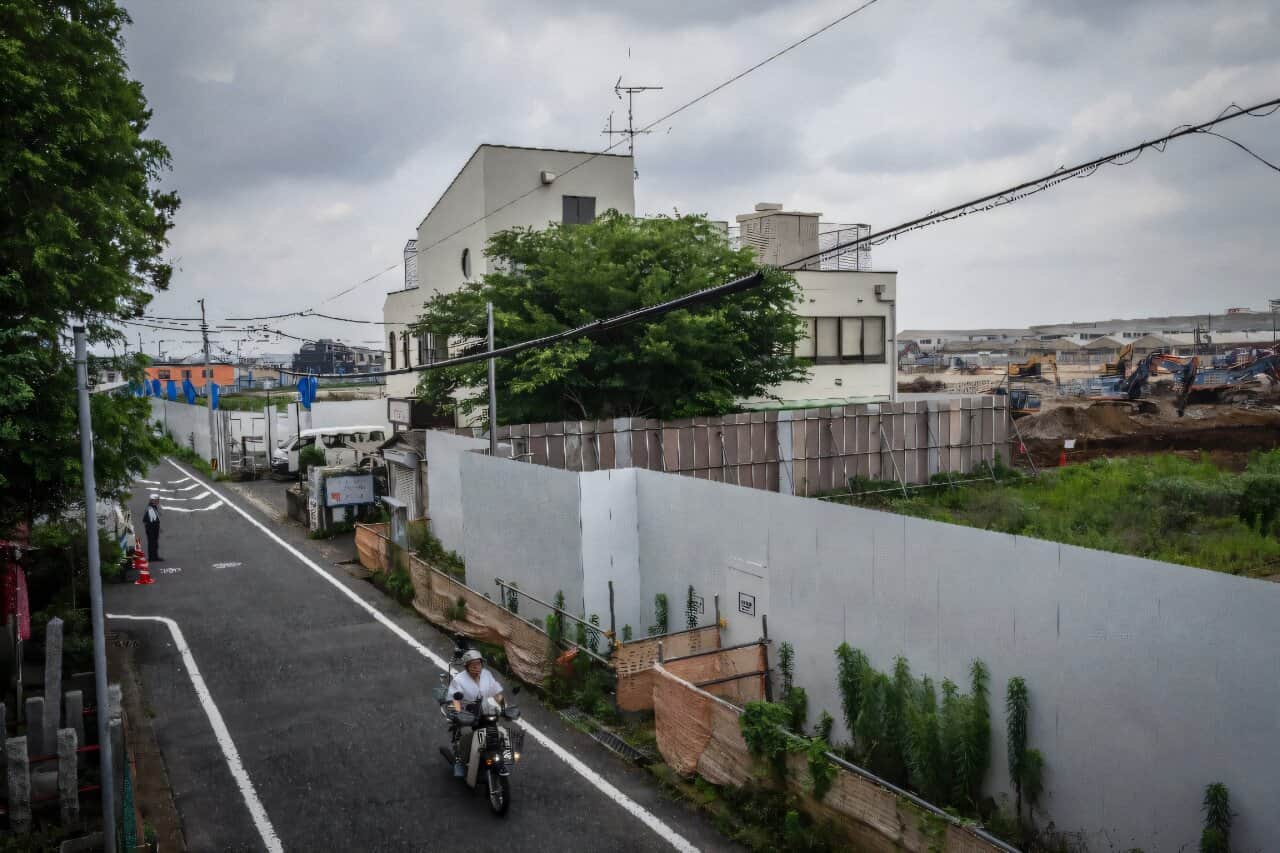
Image: TechXplore
Two buildings in a planned Hino data center have been cut by a fifth to 63.5 meters (208 feet), but residents say the complex will still loom over nearby homes and block sunlight. The project is among a growing number of facilities drawing opposition in Japan’s densely populated urban areas.
Japan has some of the most densely populated cities among advanced economies, while 80% of the country is mountainous. That leaves limited space for large data centers close to the users and businesses they serve. One facility is even planned beside Tokyo Tower.
Yoriko Kitagawa, a 94-year-old resident of Hino, on Tokyo’s outskirts, told AFP that the project was “a terrible plan.” The rapid expansion of data centers, which house the computing hardware used to train and run AI models, has triggered similar concerns elsewhere. New York state and Australia have recently announced new rules, while US opponents have called for a “national day of protest” to “protect our hometowns, our wallets, and our way of life.”
Hino campaigner Yasuo Yamazaki, 69, is particularly concerned about the facility’s batteries, backup-generator fuel, heat and noise.
Recommended reading
AWS Glitch Shows Customers Billion-Dollar Bills
“As someone who lives next to the site, I’m most worried about a fire that could be triggered by the massive amount of batteries.”
Developer Mitsui Fudosan says the project will include a “green buffer zone” of up to 78 meters (256 feet), with trees and a stream intended to reduce noise, heat and the complex’s visual impact. The company says it has held regular meetings with residents, while acknowledging that achieving “100% consensus” may be difficult.
Japan’s AI ambitions intensify the land-use conflict
Trillions of dollars are being invested globally in data centers to train and operate AI models and store humanity’s digital information, including zettabytes, each equivalent to a trillion gigabytes. Japan plans to deploy 10 million AI robots by 2040 and aims to become “the most AI-friendly country in the world.”
The country also wants sovereign AI models and infrastructure to reduce its reliance on the United States and China, the sector’s leading powers. To support expected growth in AI-related electricity demand, Japan is moving to revive its nuclear power industry 15 years after the Fukushima disaster.
Yet the country’s geography and urban concentration pose major constraints, according to Trung Ghi, an energy and utilities consultant at Arthur D. Little. Data centers need to be near end users for applications such as financial trading, streaming and gaming, but large sites near Japan’s demand centers are scarce.
Around 90% of Japan’s data centers are concentrated in the Greater Tokyo and Greater Osaka areas, according to real estate company JLL. Ghi said future locations may be determined less by proximity to cities than by access to reliable, affordable and increasingly low-carbon electricity.
“Power, grid, cooling, land use, fiber, regulation and community engagement need to be planned together.”
Inzai residents challenge another data center
In the Tokyo commuter town of Inzai, at least 10 data centers are already operating, including one used by Google. Residents have launched legal action against another proposed facility, arguing that it would damage their peaceful daily lives through lost sunlight, landscape changes, a sense of oppression, noise, vibrations, hot air, traffic hazards and extensive construction work.
Japan ERI, which certified the construction plan and is named as the defendant, declined to comment to AFP. Critics also argue that Japan’s building rules are outdated and may classify data centers as offices rather than industrial facilities.
“Japanese law is not catching up with the situation,” said Satoshi Oikawa, the lawyer representing Inzai residents.

Enterprise Editor
Marcus follows the money. He covers enterprise software, cloud architecture, and the tectonic shifts in Big Tech strategy. He translates dense earnings calls and complex M&A activity into actionable insights about where the industry is actually heading. If a tech giant makes a silent pivot, Marcus is usually the first to notice.
via TechXplore