• 3 min read
Why the Strongest Employees Leave First
A Northstar VP fixes incentives inside her team, but the wider system absorbs the reform—and selects out the people most able to repair it.

Image: Hacker News
By month 12, Northstar’s VP of Engineering has identified the company’s core failure: escalation latency has become deliberate, the enterprise pod treats customizations as normal, and employees route around problems instead of surfacing them. She correctly recognizes that this is a system problem, not a people problem.
Inside the organization she controls, she changes what earns recognition. Engineers who raise bad news early receive visible credit. People who flag ugly dependencies are protected, while commitments are held to the standard Northstar abandoned two stages earlier.
The intervention works. Within a quarter, escalation latency falls toward its previous level, employees share problems earlier, and a dependency that had remained hidden is finally surfaced and handled. Morale improves. The VP has demonstrated that changing incentives—not simply adding coaching or promoting better intentions—can change behavior.
How Northstar absorbs the reform
The success does not survive contact with the rest of Northstar. The enterprise pod still demands custom work, curated reporting still reassures the CEO, and the coordination layer still routes escalations through its designed six-day path.

Recommended reading
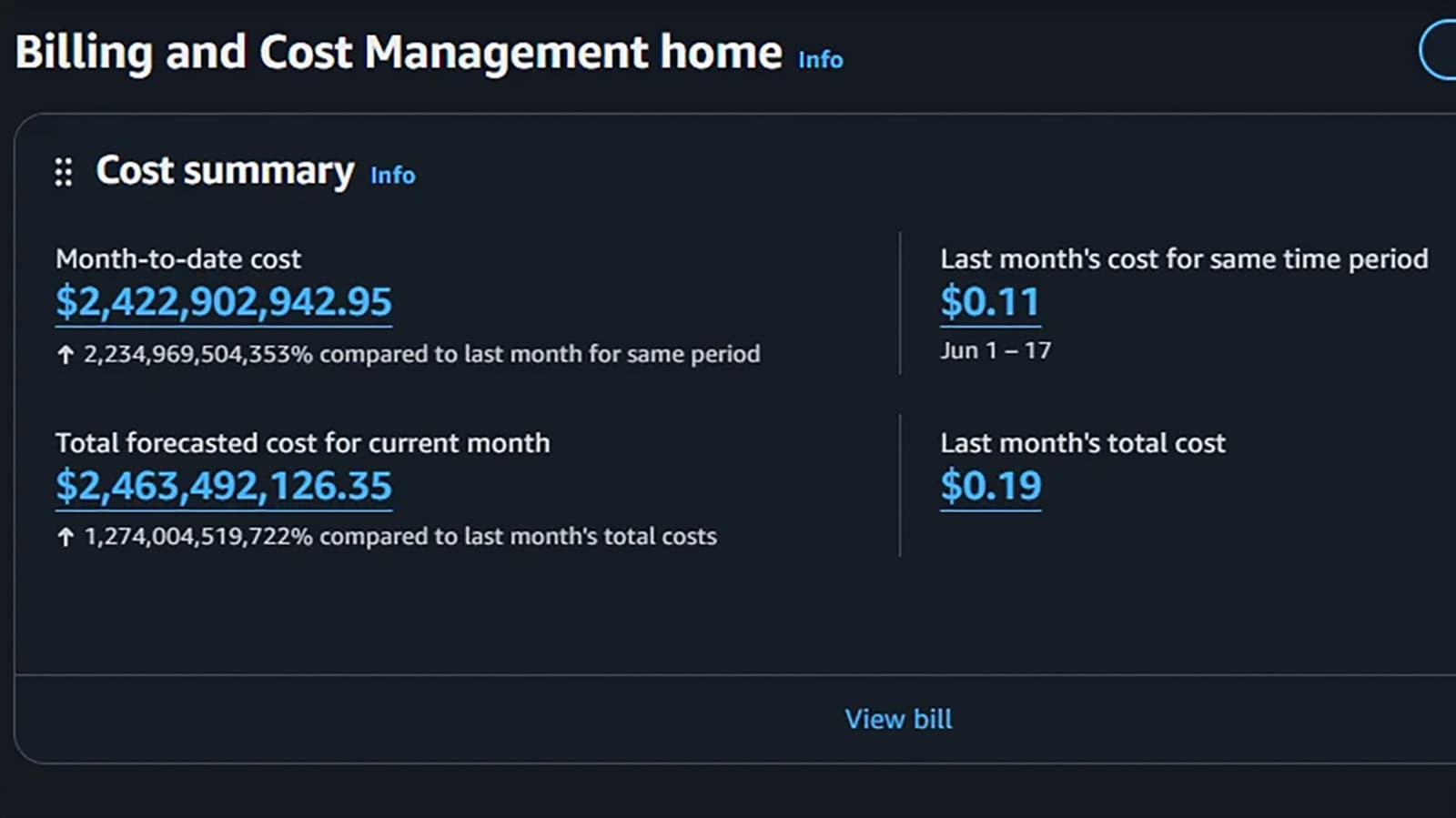
AWS Glitch Shows Customers Billion-Dollar Bills
Her teams relearn the company’s old logic at every boundary. Cross-functional dependencies owned by people who never adopted her standards override those standards. Early warnings flow into a system that compresses them into reassuring reports, so leadership never sees that her experiment worked.
Nothing formally reverses the reform. It simply erodes where her organization touches the rest of the company. The VP ends up working twice as hard as her peers to maintain a standard the surrounding system steadily dissolves.
One practice does survive: protecting the person who delivers early bad news. It spreads into one adjacent organization and remains in place past month 15, partly because a director there believes in it and continues enforcing it. That exception is not fully structural and may disappear if the director leaves. The framework predicts erosion, but reality produces one stubborn pocket of resistance.
That fragment matters because a future reset may not start from zero. A failed reform can leave behind a seed around which structural correction is later built.
Why the strongest employees leave first
By month 15, the VP begins quietly reconsidering her future. She has proven the reform works, then watched the organization make it unsustainable. When a recruiter calls, she accepts a conversation she would have ignored a year earlier.
She is not the first to leave. The sequence reveals what Northstar is selecting:
- First, employees with the most options—the most talented.
- Next, people with the strongest convictions, who can no longer reconcile the company’s promises with daily reality.
- Finally, the informal standard-bearers who kept the organization functioning after its formal standards disappeared.
What remains is not necessarily a bad team. It is a team filtered for high adaptation and low friction, shaped by the gap between Northstar’s declared standards and its enforced ones. The next leader who attempts reform will inherit a workforce partly selected by the previous reform’s failure.
That is the warning for other organizations: unusually high effort paired with merely normal results may indicate a strong employee holding a standard against a structural current. Praising that person for their resilience can become a way to avoid fixing the current.
Exit interviews may cite growth or a new opportunity. The deeper signal is visible in the order of departures. If the most talented and committed employees are overrepresented, the company is not facing an ordinary retention problem. It is selecting a lower standard into its architecture—and the people needed to reverse it are leaving first.
Enterprise Editor
Marcus follows the money. He covers enterprise software, cloud architecture, and the tectonic shifts in Big Tech strategy. He translates dense earnings calls and complex M&A activity into actionable insights about where the industry is actually heading. If a tech giant makes a silent pivot, Marcus is usually the first to notice.
via Hacker News