• 2 min read
Intel uses smartphone parts to cut laptop prices
Intel is trying to do something very un-Intel: make cheap laptops cheap for real. The company says its Firefly project will lean on smartphone-style manufacturing, ready-made reference designs, and even phone-grade memor
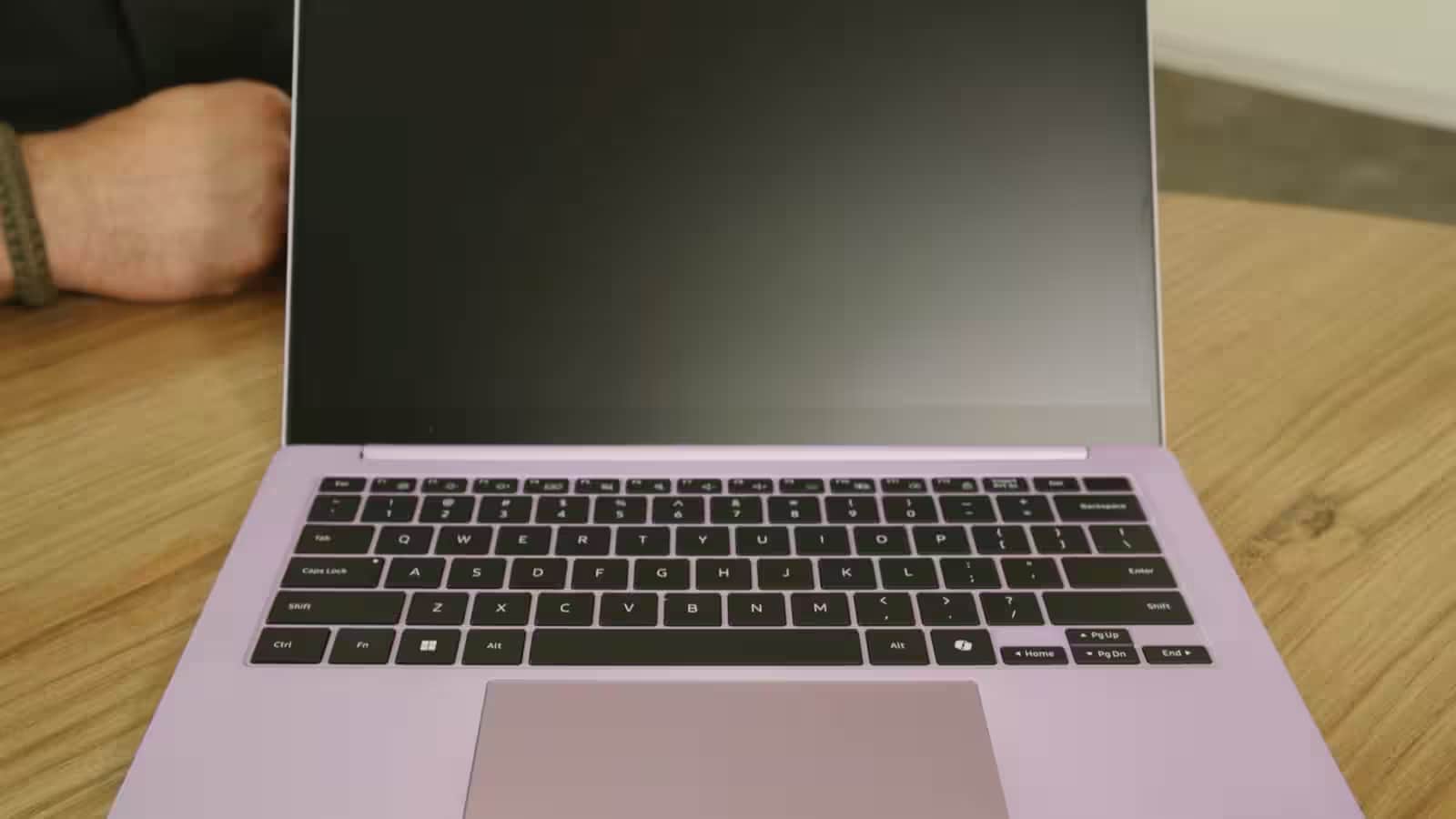
Image: ixbt.com
Intel is trying to do something very un-Intel: make cheap laptops cheap for real. The company says its Firefly project will lean on smartphone-style manufacturing, ready-made reference designs, and even phone-grade memory to push down the cost of upcoming laptops based on Wildcat Lake processors.
The pitch is straightforward. If laptop makers can borrow production lines and design patterns already used for smartphones, they spend less time reinventing the wheel and less money on parts. That should also help Intel get these machines out faster, which matters in the low-end PC market, where price beats bragging rights every time.
Wildcat Lake sits at the center of Firefly
At the heart of the plan is Wildcat Lake, including the 6-core Intel Core 5 320. Intel says the chip combines two performance cores with four efficiency cores, plus an integrated GPU with two Xe3 cores. That is not the spec sheet of a flashy gaming machine; it is the spec sheet of a laptop meant to stay affordable and good enough.
Intel has already built reference laptop designs with Chinese manufacturers that normally work on smartphones. That gives partners a template to follow instead of starting from scratch, which is the sort of boring engineering move that usually ends up mattering more than marketing ever will.
A thinner cooling system and phone memory
One prototype shown by Intel uses a metal chassis that is 12.9 mm thick and includes two USB-C ports, one USB-A port, and one HDMI port. Intel also says it redesigned the cooling system with a thin copper heat pipe and created a cheaper cable layout for connecting the interfaces to the motherboard.

Recommended reading
Google’s Tensor chips finally improved. Now comes the hard part
The most eyebrow-raising detail is the memory. Intel plans to use modules originally intended for smartphones, which the company believes will lower the bill of materials further. That is a smart way to raid a mature supply chain, and it also signals how squeezed the entry-level laptop segment has become. In this part of the market, every saved dollar can decide whether a device exists at all.
What Intel is really betting on
- Smaller design costs through prebuilt Intel reference platforms
- Lower manufacturing costs by using smartphone production infrastructure
- Cheaper hardware through phone-origin memory and simplified cooling
- Faster launches for low-cost laptops based on Wildcat Lake
Intel is not alone in chasing cheaper PCs, but it is unusual to see the company lean this hard on ideas borrowed from the mobile world. If Firefly works, expect rivals to copy the playbook quickly. If it doesn’t, the market will keep doing what it always does: punishing anyone who tries to sell “affordable” hardware that is still too expensive.
Gadgets Editor
Eli is obsessed with the tangible future. He reviews phones, wearables, and everything with a battery. Known for his rigorous testing protocols and unabashed teardowns, Eli has broken more review units than he cares to admit, all in the name of discovering the truth about durability and repairability.
via ixbt.com