• 4 min read
Flock cameras become targets of a national protest movement
Vigilantes have damaged at least 33 Flock cameras across 23 states as privacy advocates challenge the company’s surveillance contracts.
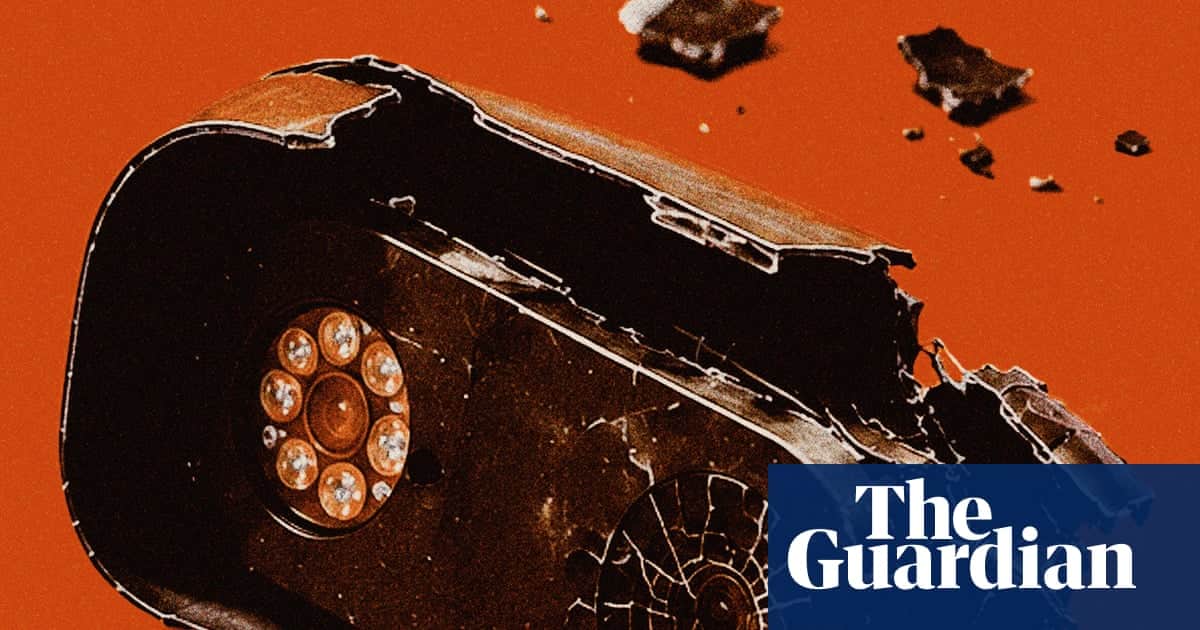
Image: Hacker News
Flock Safety’s automated license plate readers are becoming targets of a growing protest movement. Across the US, vigilantes are smashing, obstructing and cutting down the cameras, while privacy advocates pursue contract cancellations, legal limits and public-records campaigns.
One of them is “NoMark,” a Minneapolis-based Instagram figure with more than 700,000 followers on Instagram and TikTok. He told the Guardian, anonymously, that he has disabled more than a dozen Flock cameras. During his first attempt, he waited near a camera mounted on a pole, covered its lens with tape, cut its power wires and fled.
“I’m not afraid to do things if I think they’re right. These things are coming up so fast across the country that this is kind of the only way to combat them.”
A Flock ALPR in Boulder, Colorado, on 5 March 2026. Photograph: Matthew Jonas/Boulder Daily Camera/MediaNews Group/Getty Images
Flock cameras and the backlash
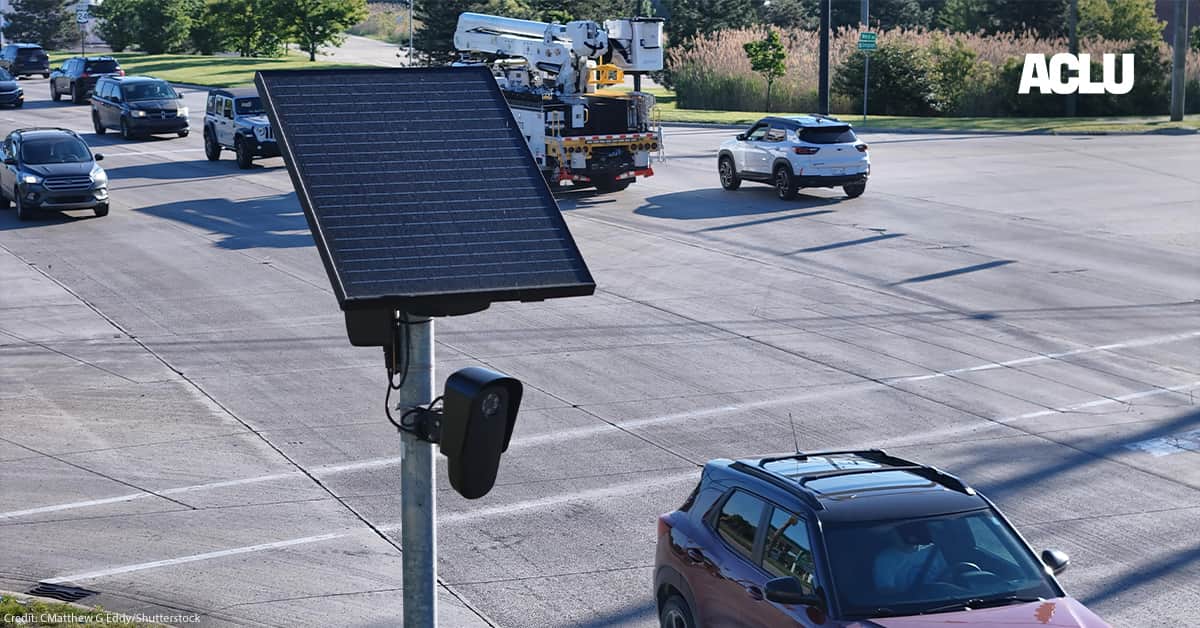
Flock, a Georgia-based company valued at $8.4 billion, says its cameras scan license plates billions of times each month in about 6,000 communities across nearly every US state. The cameras photograph passing vehicles and compare details against large databases.
Recommended reading
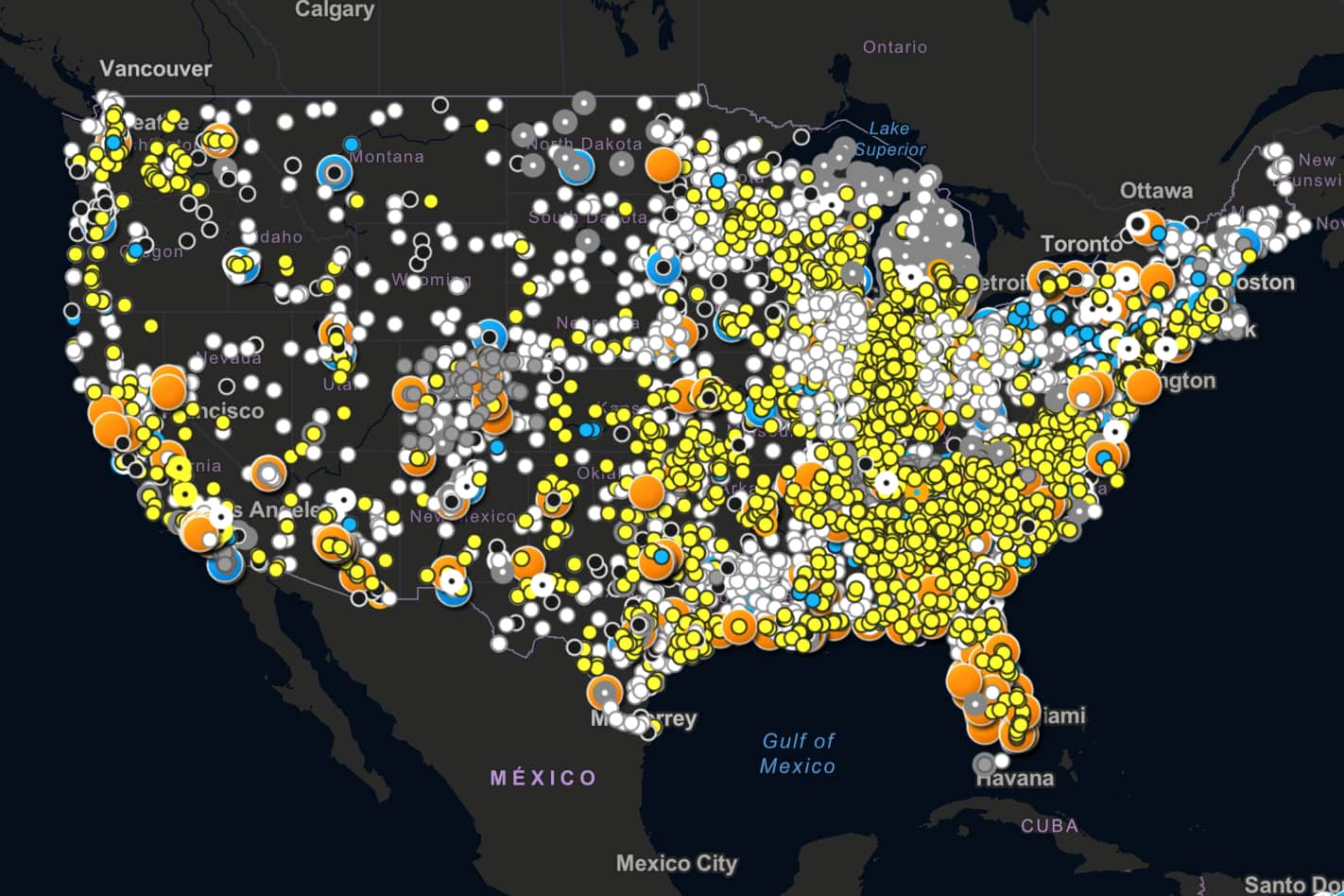
This tool maps Flock surveillance cameras nationwide
Privacy critics argue that the system can enable law enforcement to track vehicles and infer people’s movements without a warrant. Flock said in a February blog post that its ALPRs are “not mass surveillance tools” and that it “cannot track vehicles, much less individual people.” The company advertises alerts that can help officers act when a suspect vehicle passes a camera.
The Guardian identified at least 33 incidents across 23 states involving people who damaged, vandalized or destroyed Flock cameras in apparent protests against surveillance. Tactics have included paint, flags, obstructing objects and messages left at damaged sites.
Some activists have faced criminal charges. Jeffrey Sovern in Suffolk, Virginia, was charged with destruction of property after allegedly damaging more than a dozen cameras. In New Mexico, Jevon Martinez was arrested after allegedly destroying 13 Flock cameras.
“Absolutely. They are a clear and present threat to public safety.”
A vandalized Flock camera in Houston, Texas, on 7 July 2026. Photograph: Houston Chronicle/Hearst Newspapers/Getty Images
Flock did not comment directly on the vandalism. In a mid-July blog post, however, it said it had planned for damaged cameras and was offering protection plans for government agencies.
Law enforcement agencies are also monitoring the movement. Dozens of state fusion centers circulated summer memos directing agencies to watch anti-Flock advocacy and report ALPR vandalism, disruption or sabotage. One Wisconsin intelligence report called for increased patrols during protests and events including a “national week of action” in mid-August.
Policy campaigns and surveillance concerns
Online sympathy has often favored the protesters. Commenters have posted fabricated alibis for people accused of damaging cameras, while Reddit users have exchanged designs for objects intended to obstruct cameras without damaging them.
NoMark told the Guardian that he receives dozens of messages each day from people describing similar actions or asking for advice. He said he keeps his responses vague because he does not want to contribute to arrests.
Activists are also pursuing official channels. More than 80 cities have disbanded, rejected or declined to renew Flock contracts, deactivated cameras, or taken similar action. The list includes Austin and Denver, although activists remain concerned about continued use in those areas.
Privacy advocates are particularly worried that legal loopholes could allow US Immigration and Customs Enforcement to access camera feeds when pursuing immigrants. Police officers have also lost their jobs after allegedly using the systems to stalk people. Beyond license plates, 404 Media reported that officers have searched for people based on visible characteristics such as tattoos and specific T-shirts.
A Texas lawmaker introduced a bill earlier this month that would require warrants for data collected by Flock cameras. The grassroots group DeFlock maintains a crowdsourced map showing more than 115,000 ALPRs nationwide and provides information about searches, contracts and public meetings.
Flock CEO Garrett Langley previously called DeFlock’s advocacy “terroristic” before apologizing. He later attributed the group’s popularity to the company’s “inadequate response” to public concerns. Flock has since canceled its always-on “human distress detection” recording feature, which was designed to detect screaming.
A DeFlock chapter in Norfolk, Virginia, says it does not endorse attacks on cameras but does not campaign against them. Its members are trying to block or end the city’s Flock contract, while objecting to limits on public comments at city council meetings.
“We recognize it’s the inevitable outcome of a system designed to prevent people’s voices from being heard.”
Security Editor
Sophia unpacks the invisible wars happening on our networks. Covering cybersecurity, privacy legislation, and cryptography, she exposes how our data is weaponized and defended. Before joining for(geeks), she spent years as a penetration tester. She's the reason the rest of the team uses physical security keys.
via Hacker News