• 2 min read
Hongqi battery hits 70% charge in 3 minutes 41 seconds
Hongqi says its new battery charges from 10% to 70% in 3 minutes 41 seconds, but the result remains limited to laboratory tests.
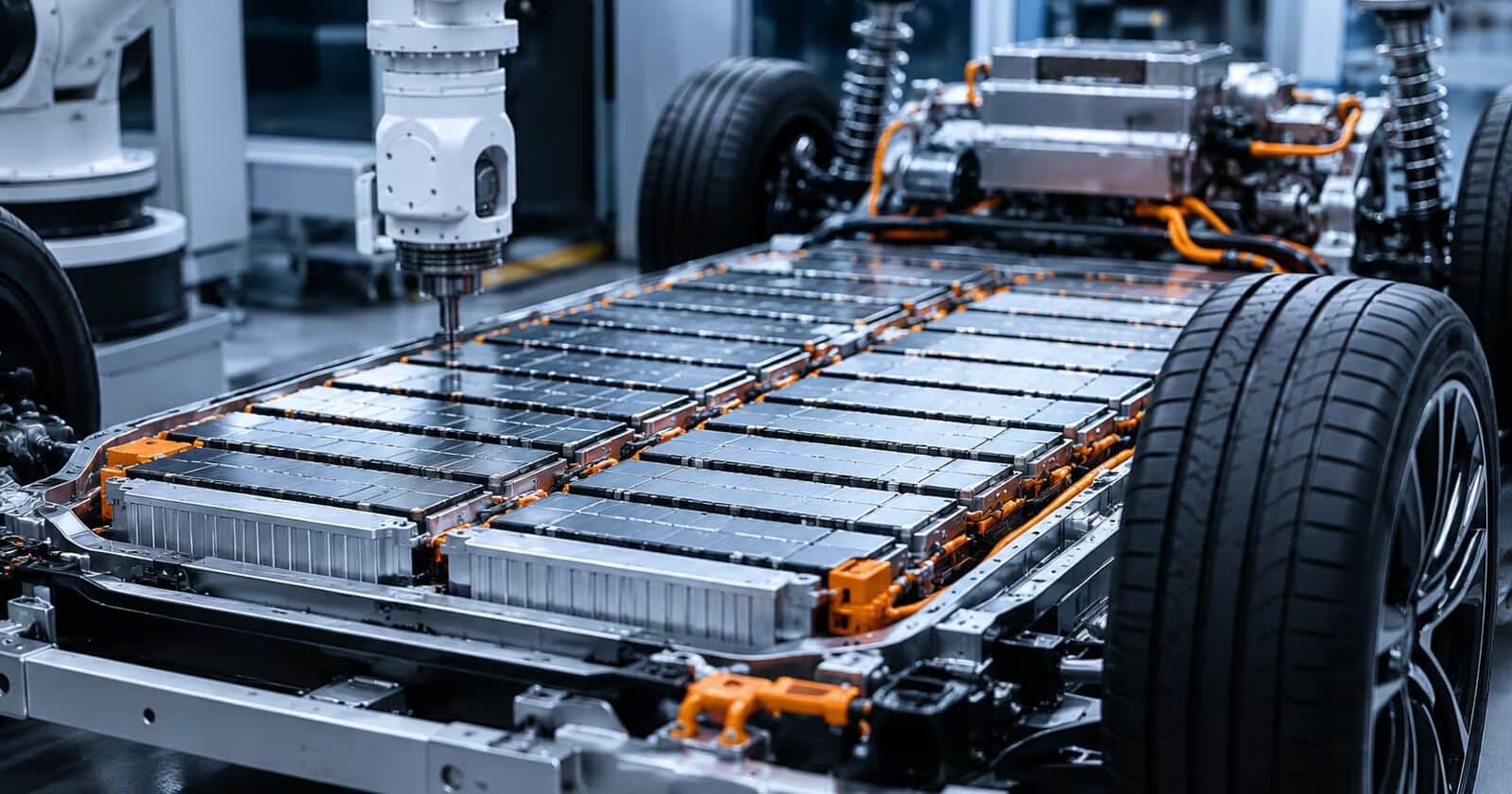
Image: ITzine
Hongqi says its next-generation battery charged from 10% to 70% in 3 minutes 41 seconds during laboratory testing. The company also reports that the pack reaches 97% in roughly eight minutes.
Those figures could narrow the gap between electric-car charging and conventional refueling if they make it into production vehicles. For now, however, the results are limited to bench tests. Hongqi has not said when the technology will appear in commercial models.
How Hongqi’s battery reaches higher charging speeds
Hongqi developed the battery with China Automotive New Energy Battery Technology. According to the company, the charging gains come from revised cell chemistry and improved thermal management:
- A lower-resistance electrolyte reduces the effort required to move charge through the cell.
- The anode uses a composite carbon coating.
- Internal resistance has fallen by approximately 15%, Hongqi says.
- An adaptive liquid-cooling system monitors temperature in real time and adjusts charging power accordingly.
During tests at 25 °C, the temperature difference between individual cells remained within 3 °C. That thermal control is central to the company’s approach, since sustained high-power charging places additional demands on battery cooling.
Hongqi battery versus BYD Blade
Hongqi’s result is faster than the charging performance cited for the production second-generation BYD Blade battery. BYD’s pack, already installed in the company’s electric vehicles, charges from 10% to 70% in about five minutes when connected to the manufacturer’s high-power charging stations.
Recommended reading
Ex-Tesla manager calls robotaxis 'rolling hazards'
The comparison is not a direct production-to-production test: Hongqi’s figure comes from laboratory testing, while the BYD figure refers to a production battery and proprietary high-power stations. Hongqi has not disclosed the charging-station requirements, battery capacity, or power level used for its own test.
The company is therefore targeting a narrow group of manufacturers that emphasize not only driving range but also shorter stops at the charger. Its next hurdle is commercial deployment: Hongqi has provided no release date for the battery in production vehicles.
Technical journalist and news writer. Graduated from MTUCI with a degree in information security. Has covered hardware, software, and consumer electronics since 2018. Believes good news is clear, direct, and free of filler.
Frontier Editor
Dan is our resident futurist, covering electric mobility, space exploration, and the smart home. He's interested in atoms just as much as bits. Whether it's a new battery chemistry, a reusable rocket, or a protocol that finally makes IoT devices talk to each other, Dan breaks down the engineering that pushes humanity forward.
via ITzine