• 3 min read
Grid blackout risk could jump 500% by 2050
MIT says power systems built for historic weather could see up to a fivefold rise in energy shortfalls by 2050 if siting ignores climate change.
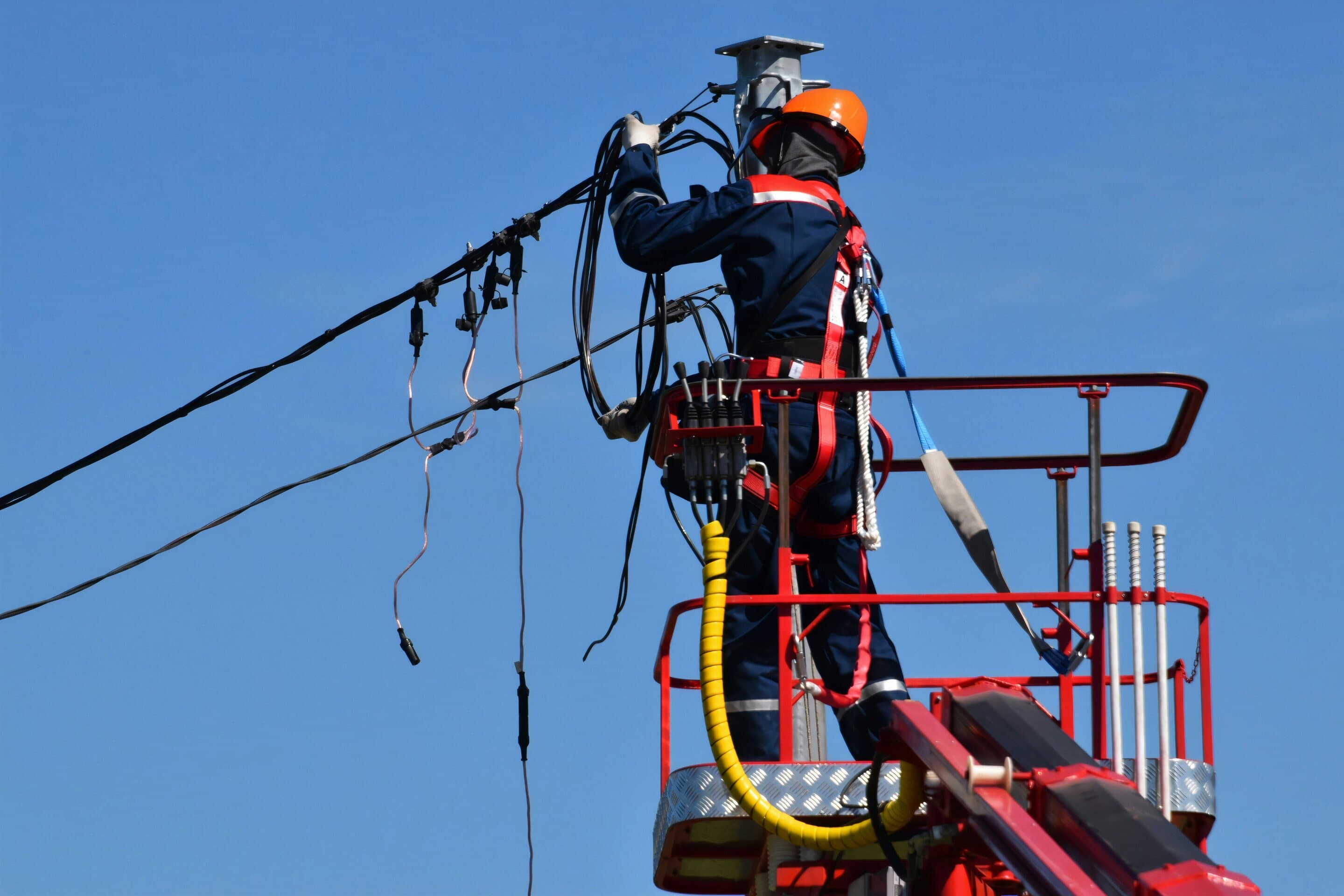
Image: TechXplore
Power grids planned around historic weather could face up to a fivefold increase in energy shortfalls by 2050, according to MIT researchers who say the fix may be less about building more and more about building in the right places.
In a study published in Nature Energy, the team combined fine-scale meteorology with detailed simulations of energy infrastructure to test how climate change could reshape power-system reliability in New England and Texas. Their conclusion: the location of future wind, solar, storage, and transmission projects will play a major role in whether decarbonized grids can meet demand without blackouts.
The researchers found that systems designed for past climate conditions could see energy failures rise by as much as 500%. By contrast, using future climate projections when choosing where to site projects improved resilience in both regions at no or little additional cost.
“As we mitigate climate change with renewables, we can also adapt to climate change by using future weather projections in our power system planning, and the extra costs of that adaptation are, at least in this study, not much.”
What changed in the MIT analysis
The study looked at multiple parts of the system at once: renewable output, electricity demand, transmission constraints, and weather-related failures. According to Howland, that matters because extreme weather can hit wind, solar, and demand simultaneously.
The team chose Texas and New England because they represent different climates and grid structures. Looking out to 2050—roughly the operating lifetime of wind and solar plants being built today—they found that the best locations for new renewable projects under future climate conditions were meaningfully different from those favored by historical data.
Recommended reading
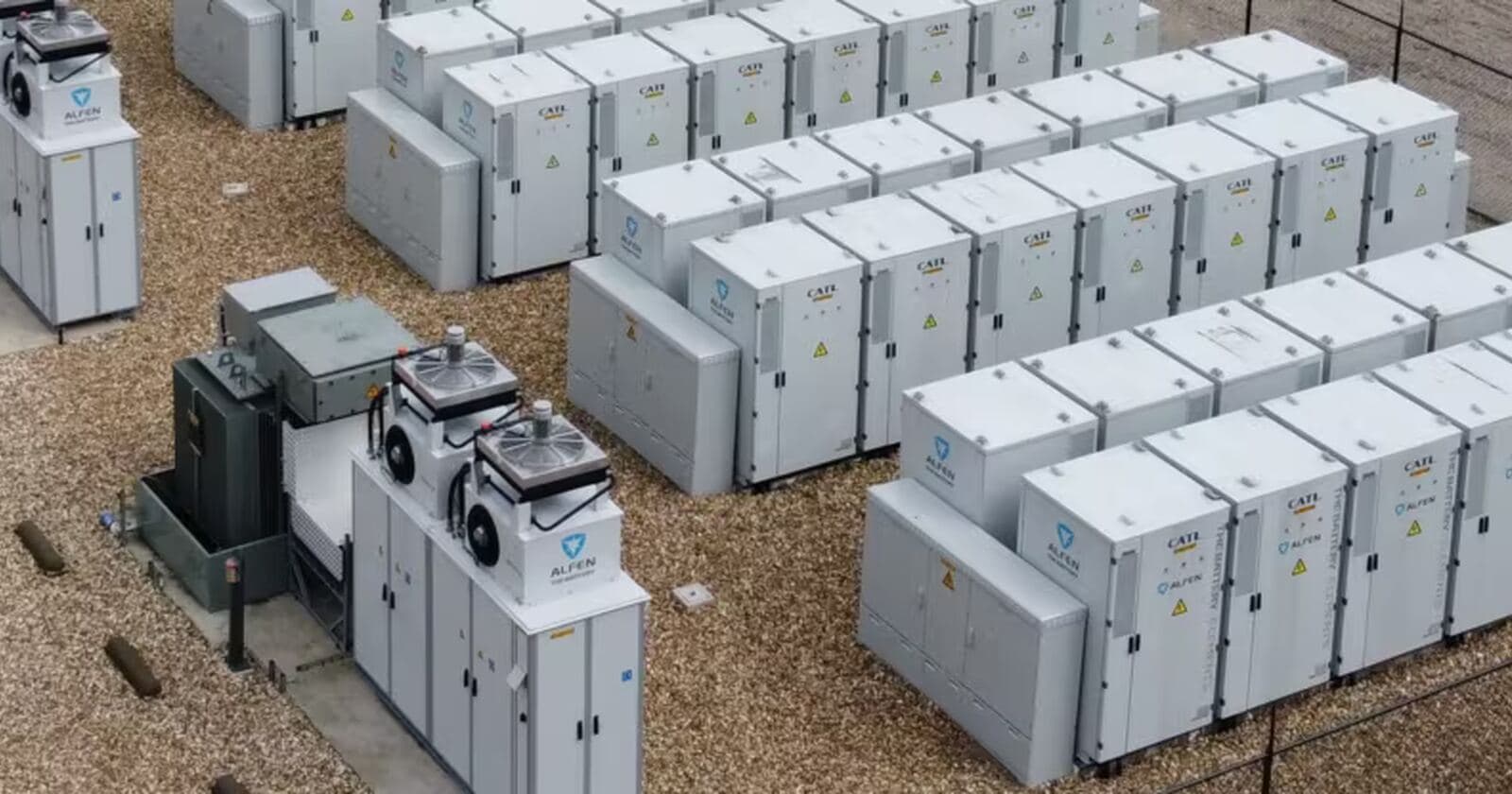
CATL and Alfen plan 5GWh sodium-ion storage in Europe
“We are telling people where you put your wind and solar matters a lot for your ability to deliver energy when you need it. We need to think more about the when and where of adding renewables rather than only focusing on adding overall capacity.”
In New England, climate-driven supply disruptions pointed to more investment in solar capacity and transmission lines near demand centers such as cities. In Texas, the bigger problem was transmission constraints; climate-informed designs favored more wind farms in West Texas to better match future demand patterns. The researchers said Texas could improve grid resilience at near-zero additional cost, assuming renewable buildout continues.
Why operators are not using this yet
Howland said the approach is not yet practical for day-to-day grid operations because the underlying high-resolution models are computationally expensive. The next step is to develop faster versions that grid operators can use more easily.
The paper is titled “Climate change reshapes resource adequacy risks and optimal renewable energy siting in wind and solar energy systems” and was published in Nature Energy (2026). Along with Howland and Qiu, the authors include Rahman Khorramfar, Shen Wang, and Saurabh Amin.

Frontier Editor
Dan is our resident futurist, covering electric mobility, space exploration, and the smart home. He's interested in atoms just as much as bits. Whether it's a new battery chemistry, a reusable rocket, or a protocol that finally makes IoT devices talk to each other, Dan breaks down the engineering that pushes humanity forward.
via TechXplore