• 2 min read
CATL and Alfen plan 5GWh sodium-ion storage in Europe
CATL and Alfen will deploy 5GWh of sodium-ion energy storage in Europe, with first sites due in 2027 and a claimed lifespan of up to 15,000 cycles.
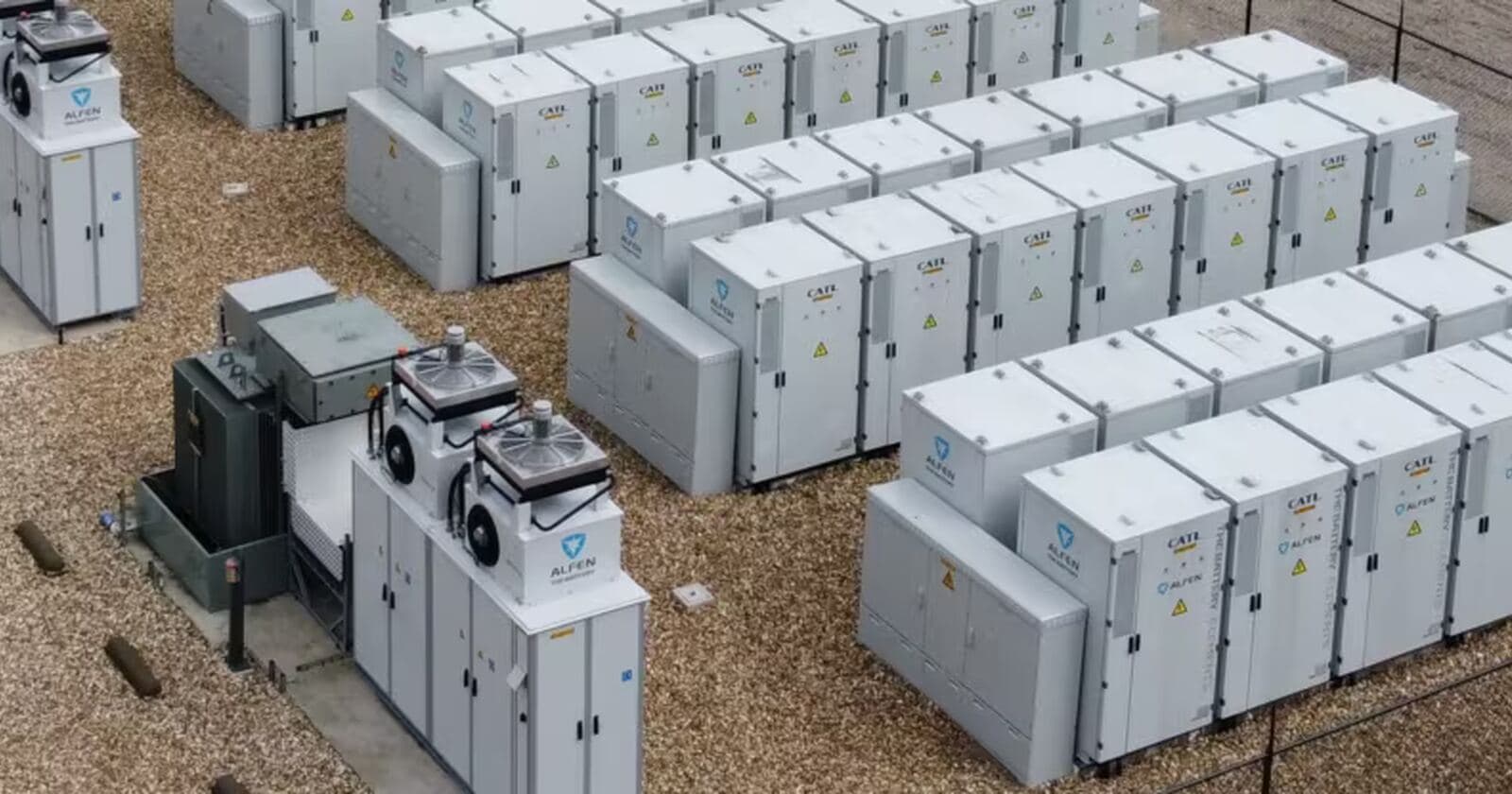
Image: ITzine
CATL and Dutch company Alfen say they will deploy Tener Sodium energy storage systems across Europe with a combined capacity of 5GWh. The move marks a clear shift in strategy: the two companies have worked together since 2023, but Alfen had previously installed CATL lithium-ion systems. The first sodium-ion projects are scheduled to go live in 2027.
The pitch is less about energy density and more about total cost of ownership and lifespan. According to the companies, Tener Sodium can handle up to 15,000 cycles and operate for 25 to 30 years while retaining at least 70% of its original capacity. For grid-scale storage, that tradeoff can matter more than compactness: the container may be slightly larger, but operators get less exposure to expensive lithium and its price swings.
CATL also highlights several technical gains in the new architecture. The system runs at 690V, improves energy conversion efficiency by almost 2%, and cuts self-consumption to 1%. The companies say that is roughly half the typical level for the industry, a meaningful difference for operators managing losses over long periods.
Temperature performance is another selling point. CATL says the batteries retain more than 92% of their capacity at -20 °C and can withstand more than 10,000 cycles at +45 °C without additional cooling. That could be especially useful in southern Europe and at sites near solar power plants, where lower cooling and support infrastructure requirements can simplify deployments and reduce maintenance.
Recommended reading
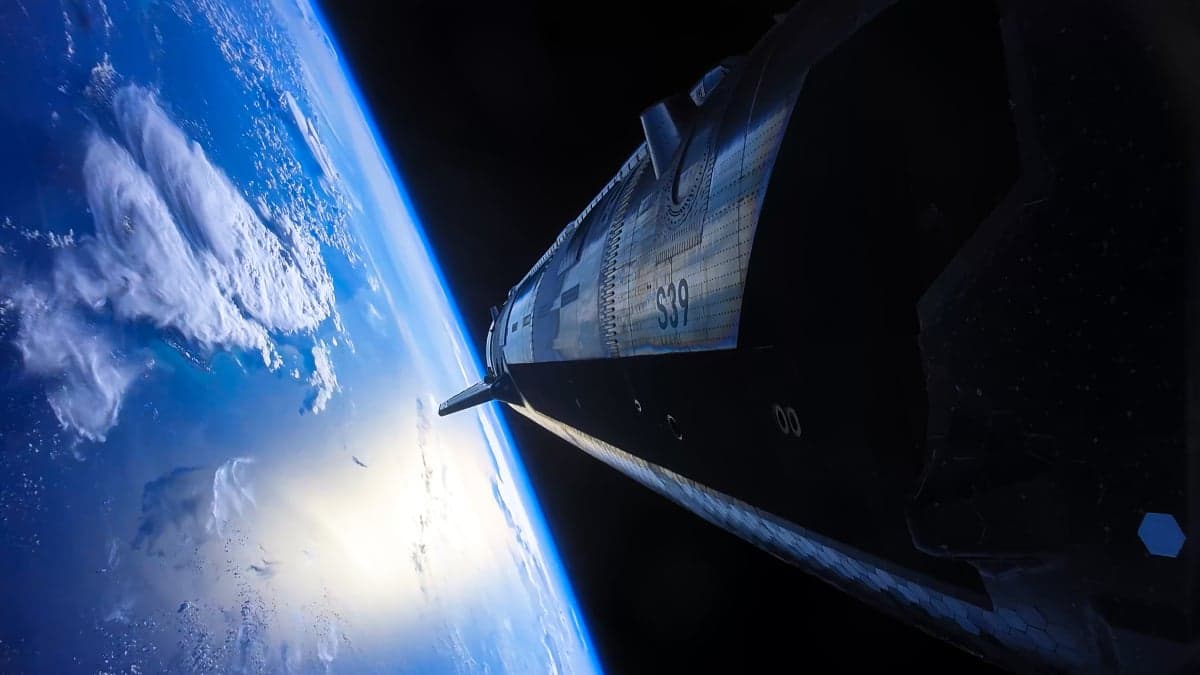
Starship tries again with engine fixes and 20 satellites
Sodium-ion batteries have long been viewed as a candidate chemistry for grid storage, but large commercial rollouts in Europe have so far been limited. The compromise is familiar: sodium-ion usually trails widely used LFP cells on energy density, but relies on more accessible materials and is better suited to stationary systems where extra weight matters less.
Other companies are pushing similar projects, including Natron Energy in the US and Faradion, which is being developed by India’s Reliance. Demand in Europe is likely to grow as the EU aims to raise the share of renewables to 42.5% by 2030. If CATL and Alfen hit their 2027 timeline, this will be one of the biggest real-world tests yet for sodium-ion batteries in the European power market.

Frontier Editor
Dan is our resident futurist, covering electric mobility, space exploration, and the smart home. He's interested in atoms just as much as bits. Whether it's a new battery chemistry, a reusable rocket, or a protocol that finally makes IoT devices talk to each other, Dan breaks down the engineering that pushes humanity forward.
via ITzine