• 3 min read
Google opens its first non-US store in Tokyo
Google is taking its hardware business off the screen and into a storefront: this summer, the company will open its first physical retail flagship outside the United States in Tokyo, in the “Omokado” building at Tokyu Pl
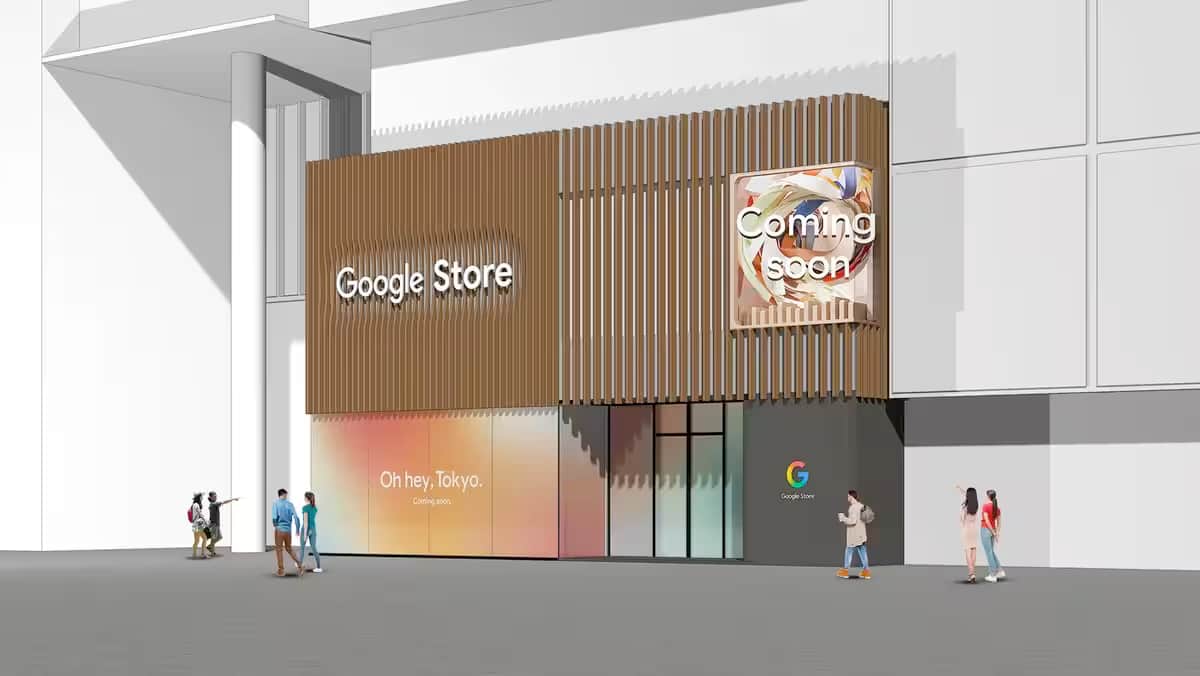
Google is taking its hardware business off the screen and into a storefront: this summer, the company will open its first physical retail flagship outside the United States in Tokyo, in the “Omokado” building at Tokyu Plaza Omotesando. The Tokyo Google retail store gives the company a more direct way to sell Pixel phones, Pixel Watches, Nest devices, and Fitbit wearables, while also turning a prime shopping district into a live demo space for its AI pitch.
The Tokyo Google retail store is also a quiet signal that Google wants the same kind of brand control Apple has long enjoyed with its own retail presence. Physical stores are expensive, sure, but they let a company show, not tell, and that matters when your products span phones, smart home gear, services, and software that customers often need help understanding.
What the Omotesando store will sell
Google says visitors will be able to browse, test, and buy a full lineup of Google and partner hardware. That includes Google Pixel smartphones, Google Pixel Watches, Nest smart home devices, and Fitbit wearables. The store will also serve as a pickup point for online orders, which is the retail equivalent of “please come in, but only for five minutes.”
- Google Pixel smartphones
- Google Pixel Watches
- Nest smart home devices
- Fitbit wearables
AI demos, repairs, and workshops
This is not just a checkout counter with a logo above it. Google says the flagship will double as a hands-on tech center, with customers able to interact with its latest AI technologies, get initial device setup help, bring in Pixels for walk-in repairs, and attend public workshops. That blend of retail and support is the real play here: once a store helps solve problems, it becomes harder for shoppers to leave for a rival.
Google also framed Japan as a symbolic choice, saying the country was where it first established an overseas office outside the United States. The subtext is obvious. Japan is a mature, gadget-savvy market with a strong appetite for premium devices, and a flagship in Tokyo gives Google a showcase for a hardware ecosystem that still trails the reach of Apple and Samsung in physical retail visibility.

Recommended reading
Marshall dresses Acton III in Jimi Hendrix style
Why Google picked a flagship store
A store like this does three jobs at once: it sells devices, trains customers, and gives Google a stage for its AI ambitions. That matters because hardware margins are tight and software features are easy to ignore when they live inside a spec sheet. In a place like Omotesando, Google gets foot traffic, brand theater, and a better shot at turning curiosity into a purchase.
The bigger question is whether this becomes a one-off showcase or the start of a wider retail push beyond the US. If the Tokyo store performs well, expect more Google-branded spaces in cities where premium hardware and in-person support still carry real weight.

Frontier Editor
Dan is our resident futurist, covering electric mobility, space exploration, and the smart home. He's interested in atoms just as much as bits. Whether it's a new battery chemistry, a reusable rocket, or a protocol that finally makes IoT devices talk to each other, Dan breaks down the engineering that pushes humanity forward.