• 2 min read
Google hit with new Gemini copyright lawsuit from major publishers
Hachette, Cengage, Elsevier and author Scott Turow sue Google, alleging Gemini was trained on secretly copied books that now compete with their work.
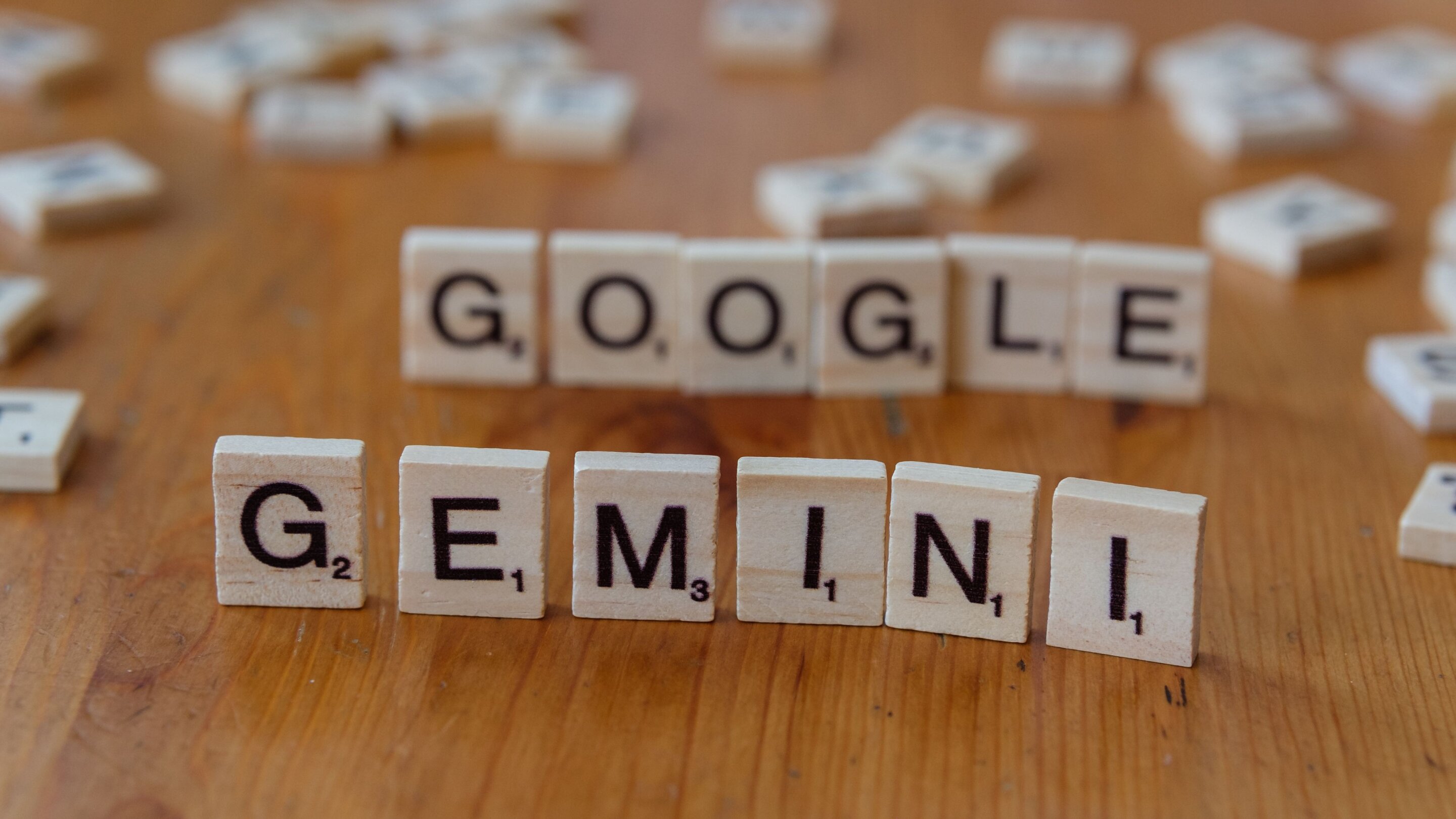
Image: TechXplore
Major publishers target Google over Gemini training data
Multiple book publishers sued Google on Tuesday, accusing the company of stealing copyrighted content to train its Gemini models and then generating material that competes with the original works.
The complaint, which seeks class-action status, was filed in New York by Hachette Book Group, Cengage Learning, Elsevier, author Scott Turow and his publishing company S.C.R.I.B.E.
Core allegations against Google and Gemini
According to the lawsuit, the plaintiffs say that:

Recommended reading
Mira Murati’s lab unveils Inkling, a 975B open model
- “Google secretly copied millions of works” that had been supplied to Google Books and other services for “limited purposes”
- That corpus was then allegedly used to train Gemini, Google’s AI model
- Gemini can generate books and long-form content that “directly” competes with the original authors' work
The filing underscores the claimed impact on authors:
“The scale and speed at which Gemini can create books and compete with human writers is unprecedented,” the lawsuit says.
The plaintiffs further allege that:
“Gemini even tailors outputs to mimic the expressive elements and creative choices of specific authors,” the lawsuit says.
They are asking the court for an injunction against Google and unspecified damages.
Part of a broader copyright fight
The case is the latest in a series of copyright infringement lawsuits aimed at developers of large-scale generative models.
In May, multiple publishers—Hachette, Cengage, Elsevier and Scott Turow—filed a separate lawsuit against Meta on similar grounds in a New York court.
In September, a U.S. judge approved a $1.5 billion settlement between Anthropic and several authors who alleged the San Francisco-based company illegally copied their work to train its model Claude.
That outcome was mixed for Anthropic. The judge found that the company’s use of books to train Claude was transformative enough to constitute “fair use” under U.S. law, but ruled that other uses of pirated materials were not.
Meta also secured a partial win last year. A U.S. judge in San Francisco ruled that its use of copyrighted materials was “fair use” in a case brought by Sarah Silverman, Ta-Nehisi Coates and other authors.
The new lawsuit against Google now tests similar arguments, with some of the same publishers pressing their claims against another major model developer.

AI Editor
Ava covers the rapidly evolving world of artificial intelligence, from foundational models and research labs to the real-world economics of intelligence. With a background in computational linguistics, she cuts through the hype to find out what actually works. She firmly believes that benchmarks are just marketing until reproduced in the wild.
via TechXplore