• 2 min read
EU exempts Apple Watch and AirPods from battery swap rule
The EU has added wearables to its battery-rule exemptions, sparing Apple Watch and AirPods from user-removable battery requirements.
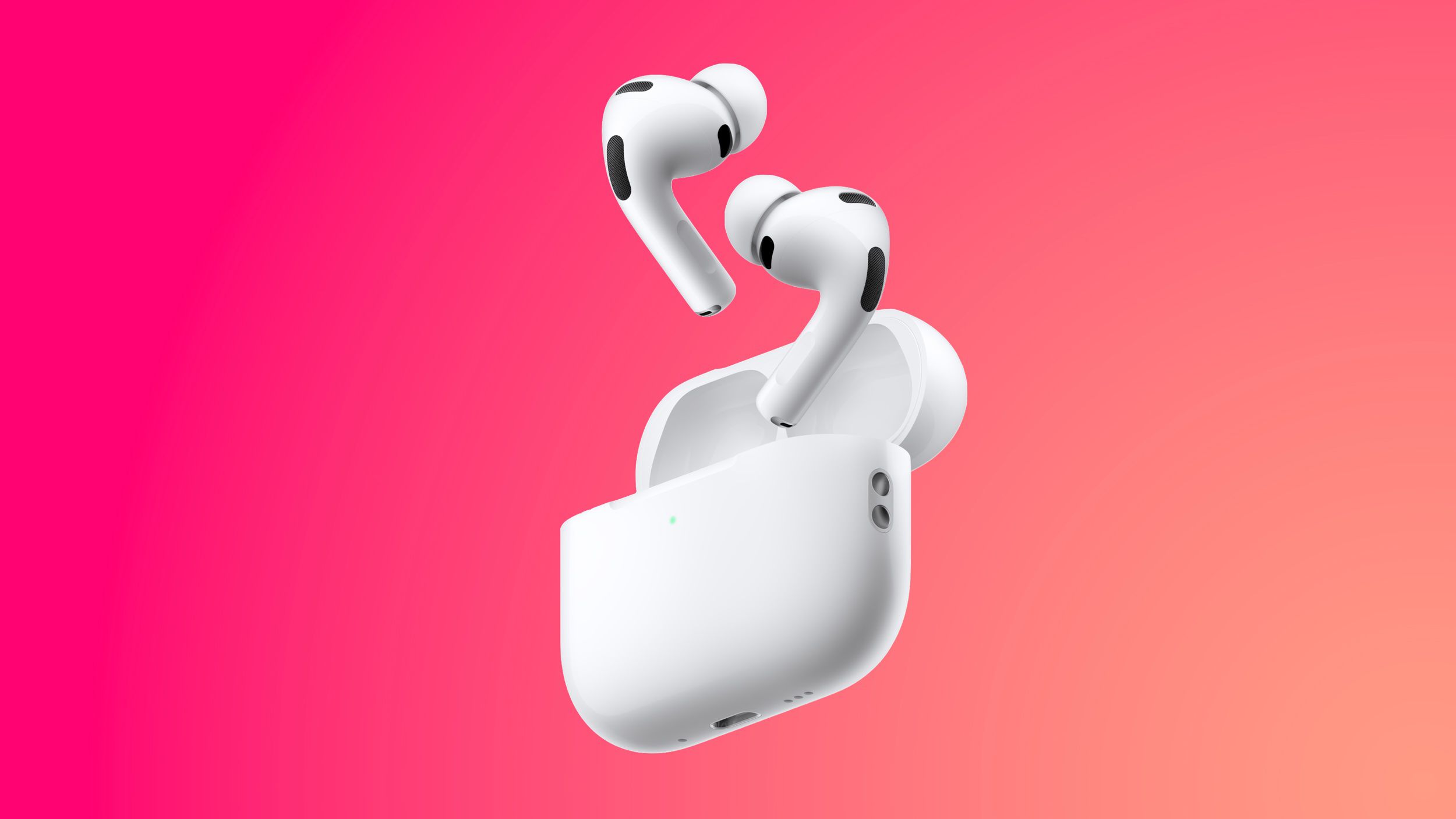
Image: MacRumors
The European Commission has adopted new exemptions to the EU’s Batteries Regulation, removing a looming requirement that devices such as the Apple Watch and AirPods offer user-removable and replaceable batteries.
The regulation generally pushes consumer electronics sold in the EU toward easier battery replacement, with the goal of extending product life and improving material recovery for recycling. But the Commission has now added six more exempt product categories, including wearables such as smartwatches and fitness trackers.
The rationale is similar to earlier exemptions for products like electric toothbrushes. According to the Commission, opening small sealed devices and failing to close them properly can compromise water resistance and create safety risks. Products can also be exempted if battery removal is inherently dangerous or if current manufacturing methods leave no realistic way to provide user access.

Recommended reading
Meta smart glasses got a pro cyclist disqualified
That carveout effectively covers Apple Watch, AirPods, and Meta’s smart glasses, all of which depend on compact sealed designs. The move follows months of pressure from U.S. officials over rules that had reportedly complicated Meta’s plans to bring its latest display-equipped smart glasses to Europe.
The iPhone was already exempt under the original regulation because of its battery cycle life and water resistance rating. Apple currently offers battery replacements through Apple Stores, authorized service providers, and its Self Service Repair program.
Not every device is getting the same treatment. Nintendo has said it will sell an EU version of the Switch 2 with a user-replaceable battery to comply with the incoming rules.
The delegated act still faces scrutiny from the European Parliament and the Council of the EU. If neither objects, it will take effect 20 days after publication in the Official Journal of the EU, ahead of the regulation’s broader rollout in 2027.

Gadgets Editor
Eli is obsessed with the tangible future. He reviews phones, wearables, and everything with a battery. Known for his rigorous testing protocols and unabashed teardowns, Eli has broken more review units than he cares to admit, all in the name of discovering the truth about durability and repairability.
via MacRumors