

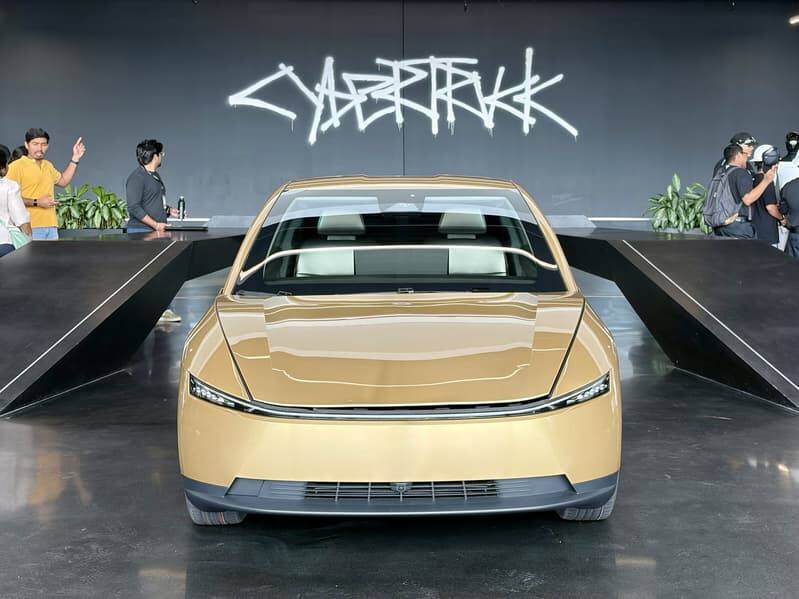
Tesla’s Cybercab appears to have moved from concept to production, with a first serial example carrying VIN Zero assembled at Giga Texas. In plain terms, the robotaxi project is no longer just a showpiece on a stage.
The two-seat Cybercab is Tesla’s purpose-built autonomous taxi: no steering wheel, no pedals, no driver. Tesla first unveiled the Cybercab in October 2024, pitching it as a way to cut passenger costs by stripping the car down to the job it is meant to do.
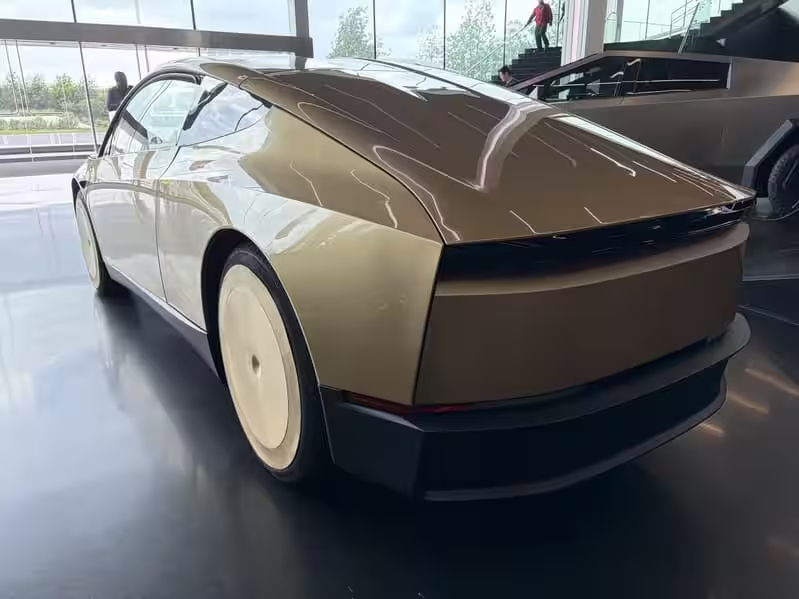
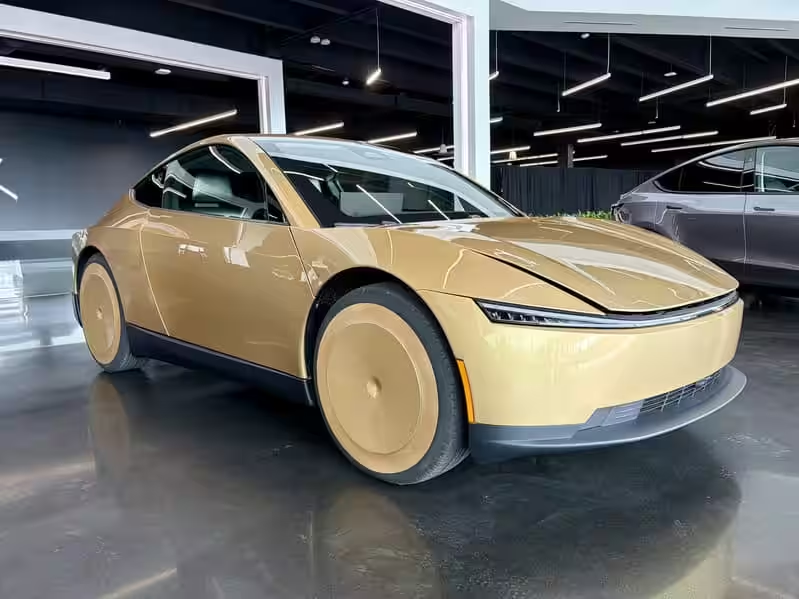
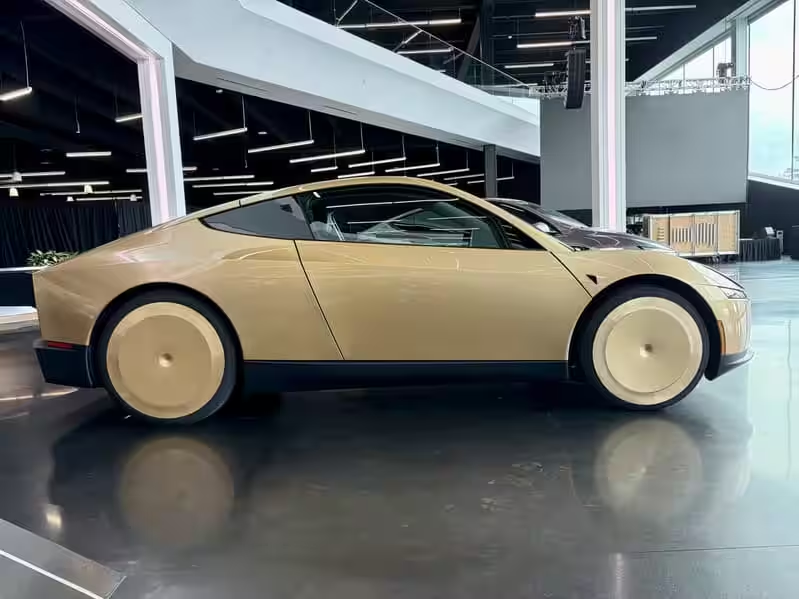
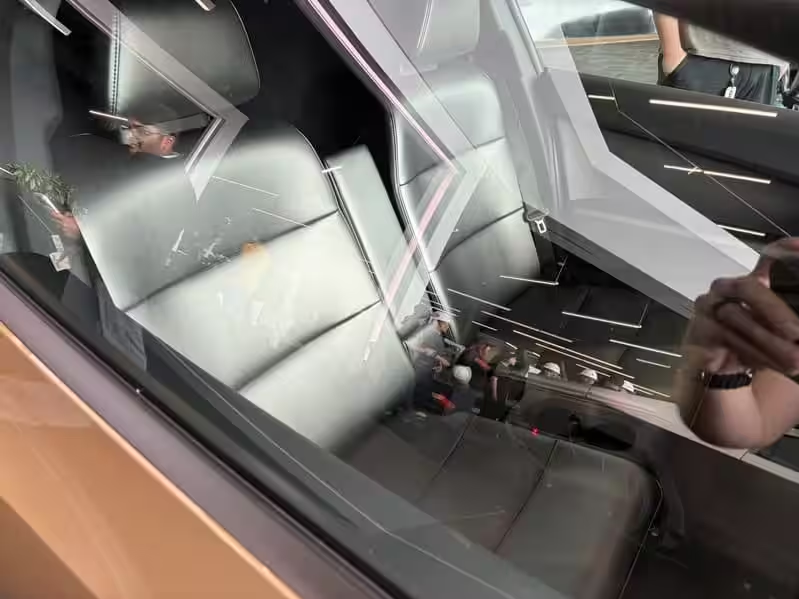
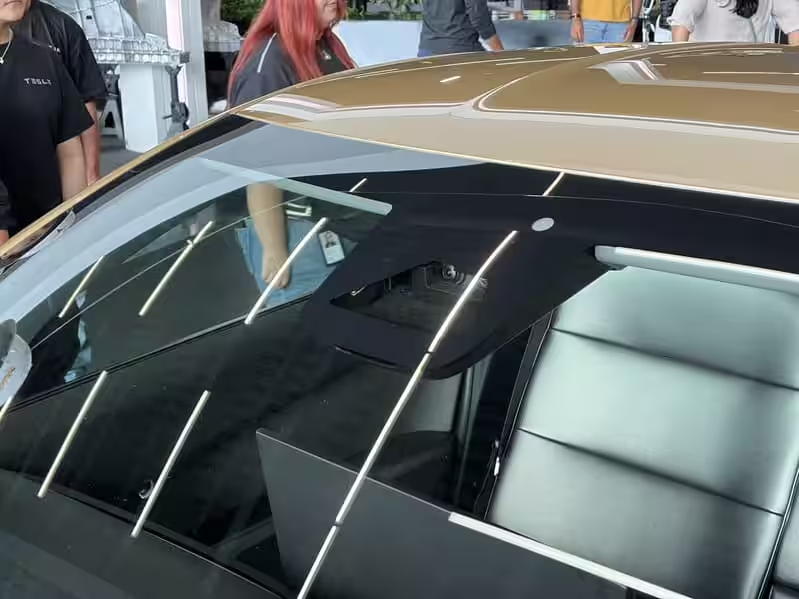
Tesla Cybercab specs and features
According to the details shared alongside the photos, the vehicle relies on cameras and AI alone, with no steering hardware to get in the way of the point. It also uses wireless inductive charging instead of a plug, which is a neat touch if you are trying to sell ”fully autonomous” as more than a buzzword.
- Two-seat cabin
- No steering wheel
- No pedals
- No driver controls
- Camera- and AI-based autonomy
- Wireless inductive charging
Tesla says the starting price is under $30,000 and that sales should begin in 2026. If that timeline holds, the company could be entering the part of the robotaxi race where manufacturing matters more than hype, and that is usually where glossy demos start meeting engineering reality.
Why Giga Texas matters for Cybercab
Building the first production unit at Giga Texas is more than a photo op. It suggests Tesla is preparing the industrial side of the plan at the same time as the software side, which is the hard part for every autonomous vehicle project. Plenty of competitors have promised driverless fleets; fewer have shown a path from prototype to assembly line.
The bigger bet is obvious: if Tesla can get a low-cost, driverless two-seater into mass production, it can bundle hardware, software, and ride-hailing into one tightly controlled ecosystem. That is a very Tesla move, and also a very risky one, because robotaxis live or die on reliability, regulation, and trust, not just a flashy nameplate.
What to watch before Cybercab sales in 2026
The next checkpoint is whether Tesla can turn VIN Zero into a repeatable production run rather than a ceremonial first build. If it can, the Cybercab may become the company’s clearest attempt yet to move autonomous driving from promise to product. If not, it will join the long list of self-driving ideas that looked unbeatable right up until the real world asked for a demo ride.