• 2 min read
US carriers wage war on copper cable theft
AT&T, T-Mobile, and Verizon have joined a new industry effort to crack down on copper cable theft in the US, and the timing is no accident: copper cable is being ripped out, sold for scrap, and leaving entire communities
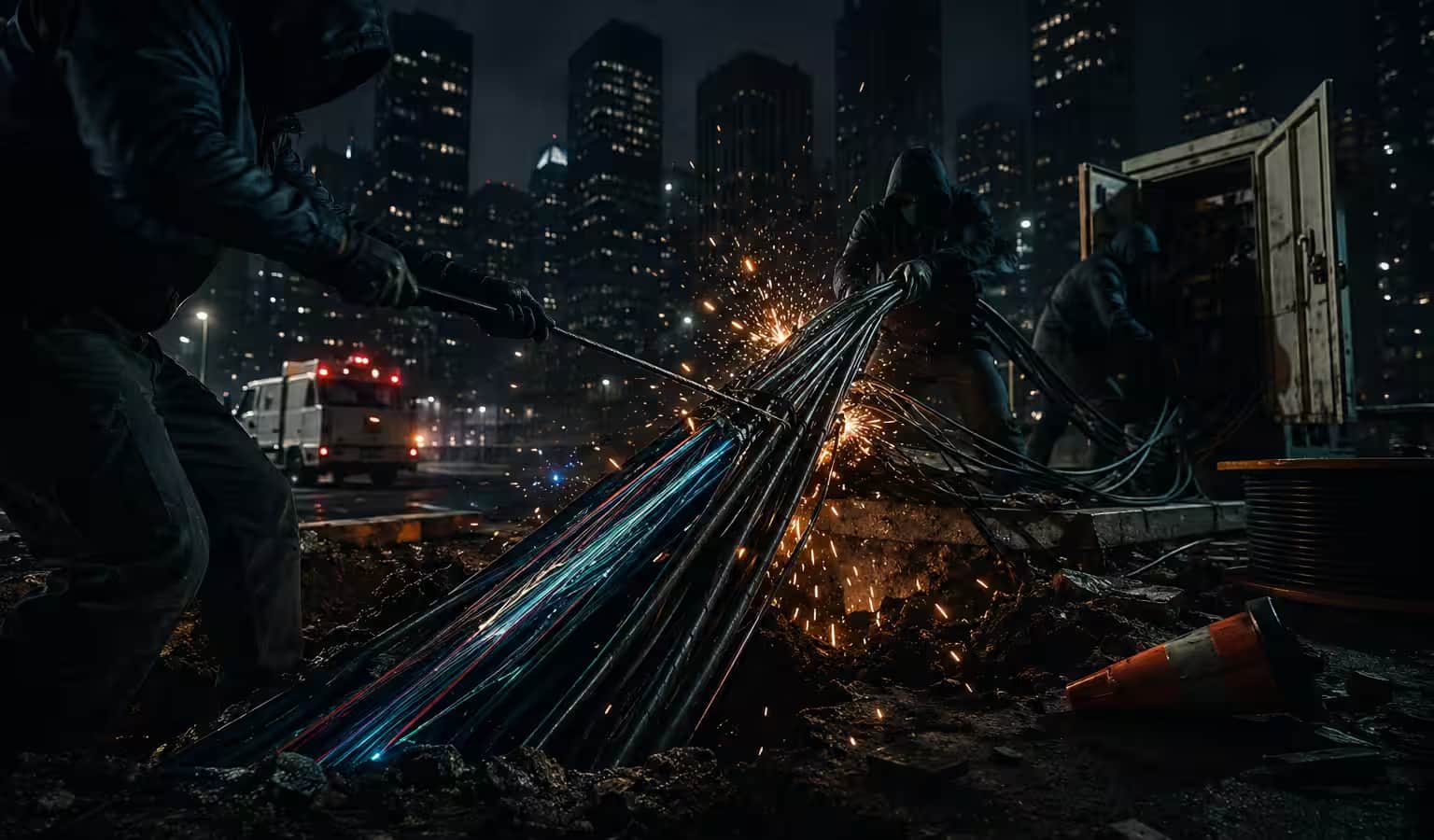
Image: ixbt.com
AT&T, T-Mobile, and Verizon have joined a new industry effort to crack down on copper cable theft in the US, and the timing is no accident: copper cable is being ripped out, sold for scrap, and leaving entire communities without service. The push comes after a year in which attacks on communications networks surged and operators were forced to treat old wiring less like infrastructure and more like bait.
The coalition, called STRIKE, is trying to coordinate responses across the sector, which is a polite way of saying the industry is tired of playing whack-a-mole with thieves. That problem is not small. The Internet & Television Association says there were 18,327 theft and vandalism incidents affecting communications networks over the last year, hitting almost 12 million people in the process.
Copper theft is driving the damage
Copper remains the prize because it has resale value at scrap yards; fiber optic lines, by contrast, are usually worth far less to thieves. The result is a crude economic equation: old copper gets cut, sold, and disappeared, while hospitals, schools, and emergency services are left dealing with the outage. Some industry voices are even pushing for intentional telecom damage to be treated more like terrorism than ordinary vandalism.
- 18,327 incidents were recorded over the last year.
- Nearly 12 million people were affected.
- About 1,527 incidents were reported each month, or roughly 50 a day.
- Attacks were up 59% compared with 2023.
Why operators are pushing fiber faster
The theft wave is also speeding up a shift that was already underway: replacing legacy copper with fiber. The business case is obvious enough, but the security argument is getting louder too. Fiber is faster, harder to monetize on the black market, and less tempting for criminals looking for a quick payday.
That does not make the transition painless. Copper still runs through a huge amount of aging infrastructure, and every one of those lines is a potential target. With attacks now happening at roughly 50 a day, carriers are being forced to invest in upgrades while also paying for the cleanup of the network they are trying to retire.

Recommended reading
Hyundai separates Atlas plans from strike talks
What happens after STRIKE
STRIKE will only matter if it helps operators move faster than the people cutting the lines. The more likely next step is tighter coordination with law enforcement, better tracking of repeat theft sites, and a more aggressive push to strip copper out of vulnerable areas first. If that works, thieves may simply move on to easier targets; if it doesn’t, the industry is stuck defending infrastructure one severed line at a time.
Frontier Editor
Dan is our resident futurist, covering electric mobility, space exploration, and the smart home. He's interested in atoms just as much as bits. Whether it's a new battery chemistry, a reusable rocket, or a protocol that finally makes IoT devices talk to each other, Dan breaks down the engineering that pushes humanity forward.
via ixbt.com