• 3 min read
Twelve opens US plant making jet fuel from captured CO2
Twelve, a California-based industrial technology company, says its new AirPlant One facility in Moses Lake, Washington, is now producing E-Jet, a synthetic aviation fuel made from captured carbon dioxide, water, and rene
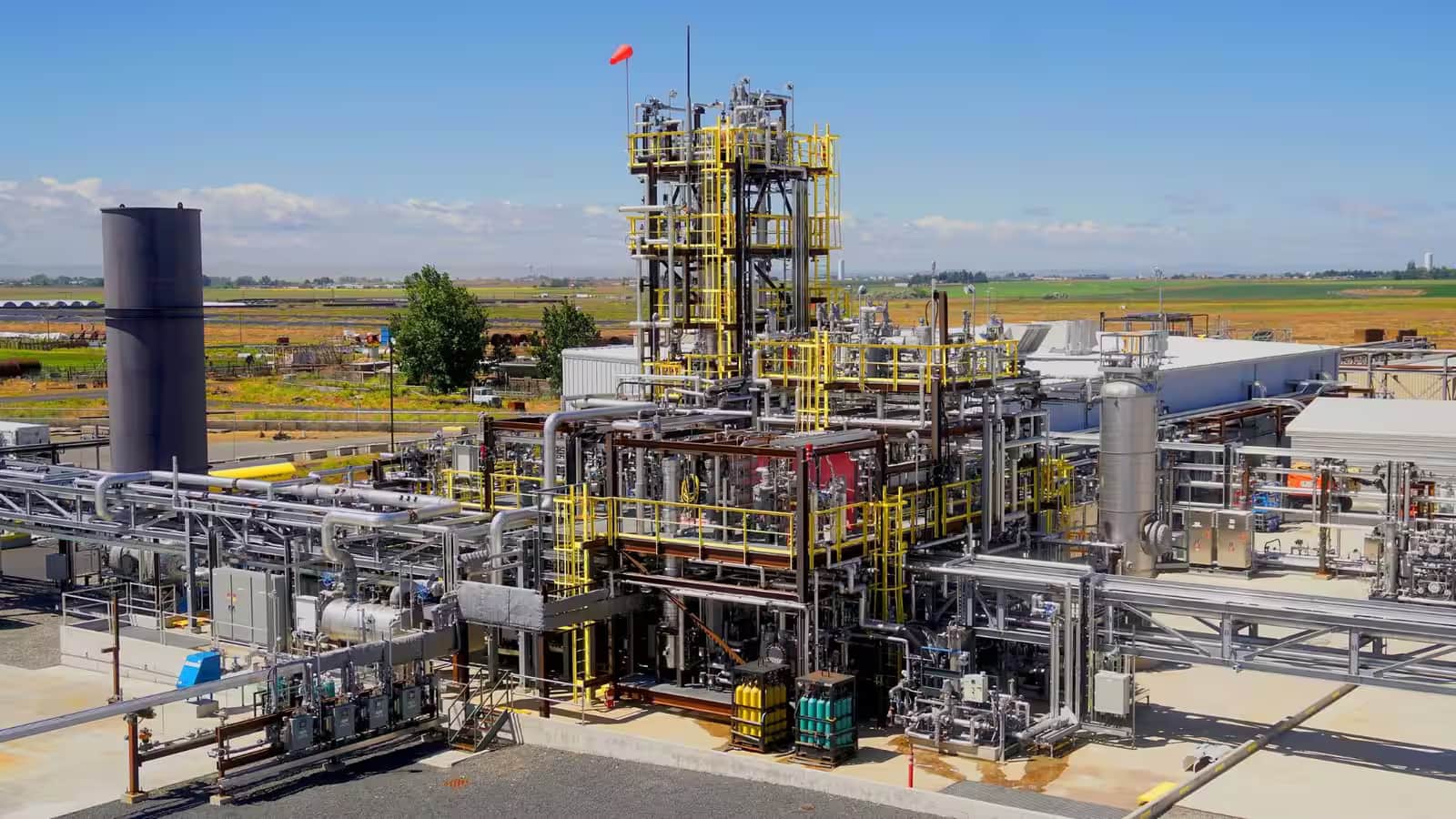
Image: ixbt.com
Twelve, a California-based industrial technology company, says its new AirPlant One facility in Moses Lake, Washington, is now producing E-Jet, a synthetic aviation fuel made from captured carbon dioxide, water, and renewable electricity. The company says the fuel can be used in commercial aircraft without changes to engines, airport fueling gear, or existing infrastructure.
That compatibility is the main selling point. Plenty of alternative aviation fuels stumble on supply, cost, or infrastructure. If the fuel behaves like conventional jet fuel and fits into the current system, airlines have far fewer excuses to keep waiting.
What AirPlant One is making
AirPlant One produces E-Jet, which Twelve describes as a synthetic, cleaner-burning aviation fuel made through an energy-to-liquid process. The same plant also makes E-Naphtha, a chemical feedstock used in products ranging from everyday consumer goods to industrial materials.
Under the hood, the process uses an electrolyzer system to convert captured CO2 and water into liquid hydrocarbons, powered by renewable electricity. The company says the resulting E-Jet is chemically identical to the fossil-fuel version, and that it meets ASTM certification standards for commercial aviation use.

Recommended reading
NASA staff cuts hit 25 major programs
How carbon capture jet fuel differs from biofuels
Most sustainable aviation fuel on the market today is made from biological feedstocks such as waste cooking oil, agricultural residues, and other organic materials. That keeps it tied to land use, collection systems, and finite supply. Twelve’s pitch is different: captured carbon and renewable power are, at least in theory, easier to scale than old fryer grease.
That does not make the technology simple. Direct-air and captured-carbon fuel pathways have long been promoted as the cleaner answer for aviation, but they have also been slower and more expensive to commercialize than bio-based options. Twelve is betting that compatibility plus broader feedstock availability will matter more to airlines than the romance of a lab-coated carbon loop.
What airlines can do with E-Jet now
Because the fuel is designed to meet existing standards, airlines can blend it or use it as an alternative without modifying aircraft engines or airport infrastructure. That is a sharp contrast with many clean-fuel proposals that sound great in presentations and become much less impressive when they meet a real refueling truck.
- Plant: AirPlant One
- Location: Moses Lake, Washington
- Fuel: E-Jet
- Co-product: E-Naphtha
- Power source: renewable electricity
- Feedstock: captured CO2 and water
For now, the important milestone is not the hype reel but the factory floor: Twelve says the plant has already begun producing fuel that meets technical requirements for commercial use. The bigger question is whether other companies will follow with plants that can match output, cost, and reliability without leaning on subsidies forever.
If AirPlant One can prove that captured carbon can move from pilot-project status to industrial habit, aviation’s decarbonization debate gets a lot less theoretical. If not, the industry will keep buying time with biofuels, offsets, and very expensive optimism.
Frontier Editor
Dan is our resident futurist, covering electric mobility, space exploration, and the smart home. He's interested in atoms just as much as bits. Whether it's a new battery chemistry, a reusable rocket, or a protocol that finally makes IoT devices talk to each other, Dan breaks down the engineering that pushes humanity forward.
via ixbt.com