• 2 min read
China taxes lithium batteries, spares sodium-ion
China will tax lithium-ion batteries and solar cells from 2026, while sodium-ion, solid-state and perovskite technologies remain exempt through 2028.
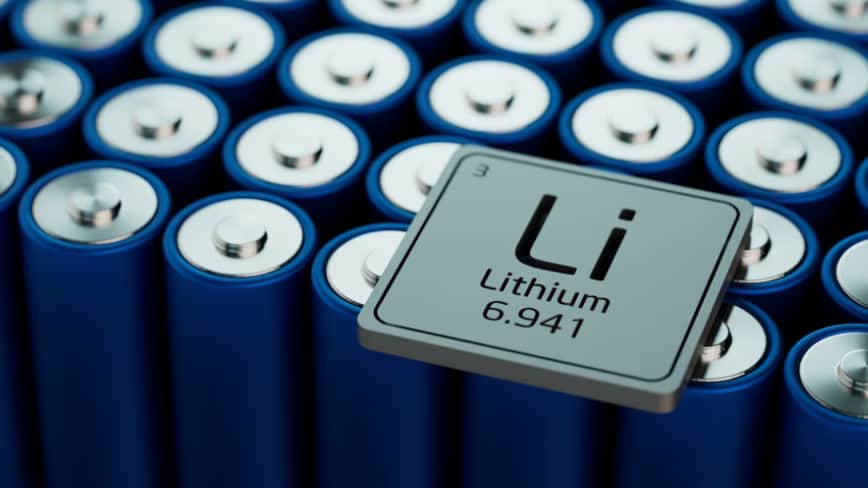
Image: TNW
China will impose a consumption tax on lithium-ion batteries and solar cells for the first time in a decade, as Beijing moves to curb overcapacity and destructive price competition in industries it helped build into global leaders.
A 2% tax on lithium-ion batteries takes effect in September 2026, rising to 4% in September 2027. Solar cells will follow in April 2027, with the rate reaching 4% in April 2028.
Which battery technologies remain exempt
China removed the consumption tax from lithium-ion batteries and solar technologies in 2015 to accelerate the clean-energy transition. The policy helped Chinese manufacturers dominate global markets for EV batteries and solar panels, but years of capacity expansion have since produced severe overcapacity and cut-throat domestic competition.
Authorities summoned leading battery makers earlier this year and warned them against unchecked expansion and destructive pricing. The new tax targets established technologies while leaving newer alternatives untouched:
- Sodium-ion batteries will remain exempt through at least the end of 2028.
- Solid-state batteries will remain exempt through at least the end of 2028.
- Perovskite solar cells will remain exempt through at least the end of 2028.
China is investing heavily in sodium-ion technology as a strategic alternative to lithium, which it imports at a 75% rate. The exemption structure suggests Beijing wants to restrain mature sectors with excess capacity while giving emerging technologies room to scale.

Recommended reading
Eoptolink seeks $5bn Hong Kong AI listing
The tax will raise costs for battery makers including CATL and BYD, whose margins are already thin. It could also push up EV prices in China, where more than 200 battery-powered models cost less than $25,000. For manufacturers selling into Europe and the US, existing tariffs are already squeezing margins; the domestic tax adds another cost. Supply-chain pressure from an AI-driven memory shortage has also pushed up consumer electronics prices, adding to the broader cost burden.

Enterprise Editor
Marcus follows the money. He covers enterprise software, cloud architecture, and the tectonic shifts in Big Tech strategy. He translates dense earnings calls and complex M&A activity into actionable insights about where the industry is actually heading. If a tech giant makes a silent pivot, Marcus is usually the first to notice.
via TNW