• 4 min read
ChatGPT can replace some apps—but not your phone yet
A TechRadar test of 12 tasks finds ChatGPT strong at recommendations and identification, but weak at alerts, navigation, transactions, and app-like experiences.
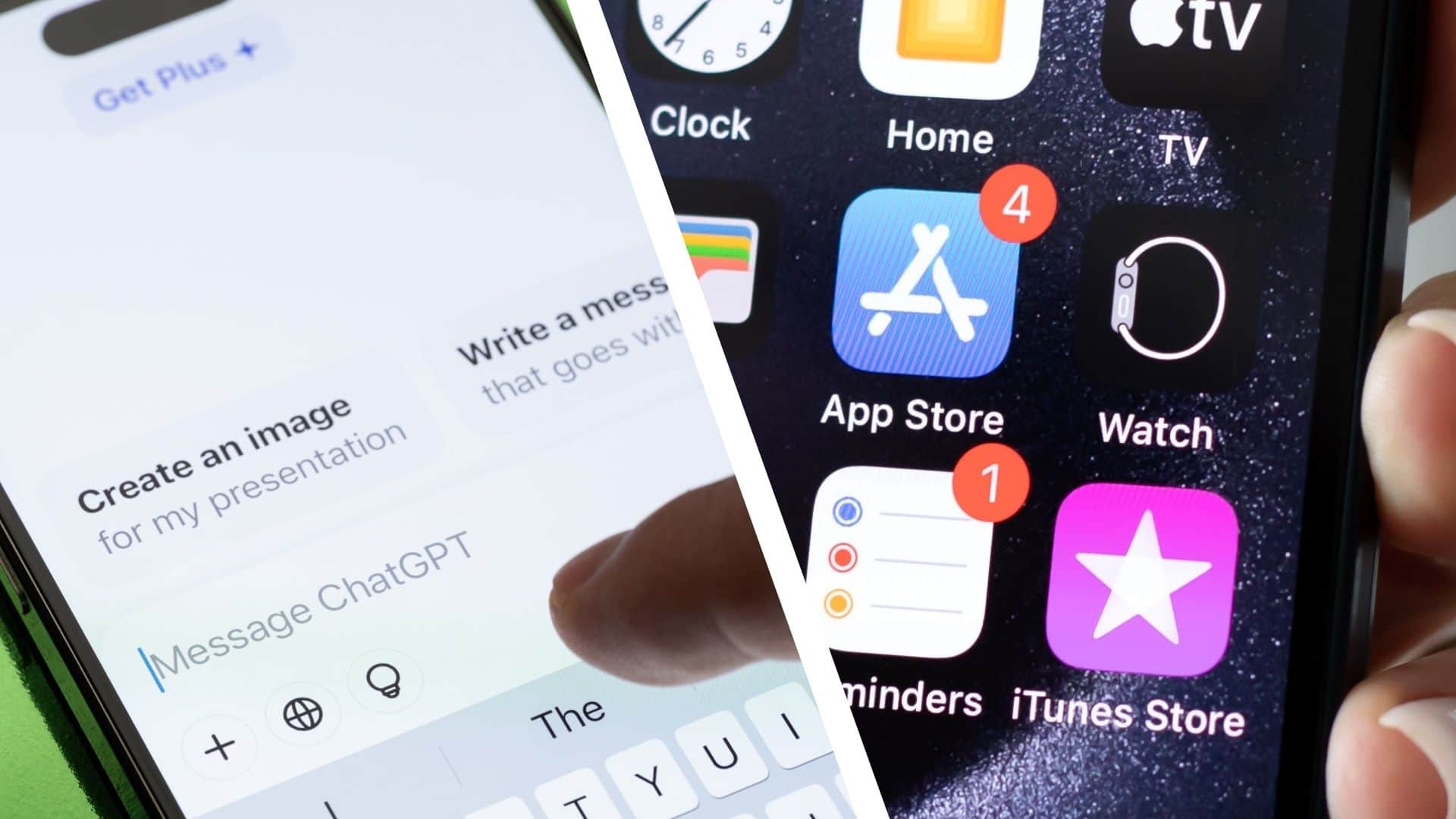
Image: TechRadar
OpenAI’s vision of ChatGPT as an AI superapp is beginning to sound plausible—but a day-long TechRadar test found that replacing dedicated phone apps is still a matter of trade-offs, not a clean swap.
The test covered 12 everyday tasks, from setting alarms and checking the weather to navigating, learning Spanish, and identifying plants. ChatGPT often knew how to perform the underlying task. It was much less consistent at delivering the speed, interface, reliability, and integrations people expect from purpose-built apps.
That distinction matters as OpenAI pushes ChatGPT beyond a chatbot toward a broader software platform, a direction covered in OpenAI’s plans to reshape ChatGPT into an AI superapp.
Where ChatGPT worked—and where it did not
TechRadar excluded tasks that required access to private services. ChatGPT could not access email, open WhatsApp, or use a digital wallet. The evaluation therefore focused on activities it could attempt through conversation, images, voice, or web-connected information.
The clearest failures involved basic phone functions. ChatGPT could not run a true stopwatch, offering only an estimate based on message timestamps. It created a scheduled task for an alarm, but failed to produce a phone notification; a related email went to spam.

Recommended reading
Alexa+ reaches Australia at AU$29.99 for non-Prime users
It also struggled when the experience mattered as much as the answer. ChatGPT recreated the mechanics of the New York Times' Spelling Bee by generating letters, applying the rules, and tracking found words. But the chat interface made the game feel clunky compared with the dedicated app.
The same pattern appeared with astronomy. An uploaded night-sky photo was usually enough for ChatGPT to identify constellations, but it could not match Sky Guide’s augmented-reality mode, which continuously uses the phone’s location and compass as the user points around the sky.
Conversation is slower than a button
Weather was one of ChatGPT’s stronger categories. The forecast came from a reliable source and was considered accurate, although getting hourly details and rain probabilities required follow-up questions that a weather app would expose with a tap. ChatGPT also produced correct results for large calculations, though it paused for several seconds and was slower than entering numbers into a calculator.
Voice mode was less successful. A guided meditation technically followed the request, but odd intonation, vocal fry, filler words, and a failure to complete a breathing instruction made the session more stressful rather than relaxing.
Language practice showed more promise. ChatGPT held a natural Spanish role-play conversation about ordering food, which felt more realistic than Duolingo’s multiple-choice exercises. Yet pauses, an incorrect correction, and an eventual breakdown made it less dependable for serious study.
Recommendations are easier than transactions
ChatGPT performed well at suggesting films based on favorites. The recommendations matched the tester’s taste, but the chatbot could not replace Letterboxd’s diary, friend network, reviews, or community-generated lists.
Travel planning landed in the middle. ChatGPT laid out routes from home to an airport and cited services including Rome2Rio and The Trainline. But when asked for advice based on a flight time, it mistakenly began creating a scheduled task. It also cannot replace the live, turn-by-turn navigation that is central to a maps app.
Food recommendations exposed a more serious data problem. ChatGPT asked about preferences, budget, and location, then suggested nearby restaurants and displayed them on a map. Every initial recommendation was closed, however, and the replacement options were independent cafés and restaurants that did not appear on delivery platforms. Recommending a place is not the same as knowing where a user can actually order.
Plant identification was a straightforward success. Photos of leaves, trees, flowers, and bushes produced results that TechRadar fact-checked as accurate, although dedicated apps still offered simpler supporting features.
The reporting leaves one major question unanswered: it tested ChatGPT as a separate app, not an AI assistant integrated into the phone’s operating system. It therefore does not establish whether deeper access to notifications, navigation, messaging, payments, or app controls would fix the failures—or create new ones.
The results still support a clear position. ChatGPT is already a capable replacement for some information-heavy tasks, especially forecasting, recommendations, calculation, and visual identification. It is a poor substitute for apps built around instant controls, live context, social features, or dependable transactions. Until system-level integration solves those gaps without adding conversational friction, an AI-first phone would complement dedicated apps more convincingly than eliminate them.
AI Editor
Ava covers the rapidly evolving world of artificial intelligence, from foundational models and research labs to the real-world economics of intelligence. With a background in computational linguistics, she cuts through the hype to find out what actually works. She firmly believes that benchmarks are just marketing until reproduced in the wild.
via TechRadar