• 2 min read
Cargo Dragon to bring 3 tons of ISS cargo back to Earth
SpaceX’s Cargo Dragon is about to do what almost no cargo spacecraft can: come home intact. NASA says the vehicle will undock from the International Space Station on 16 June and splash down off the California coast on 17
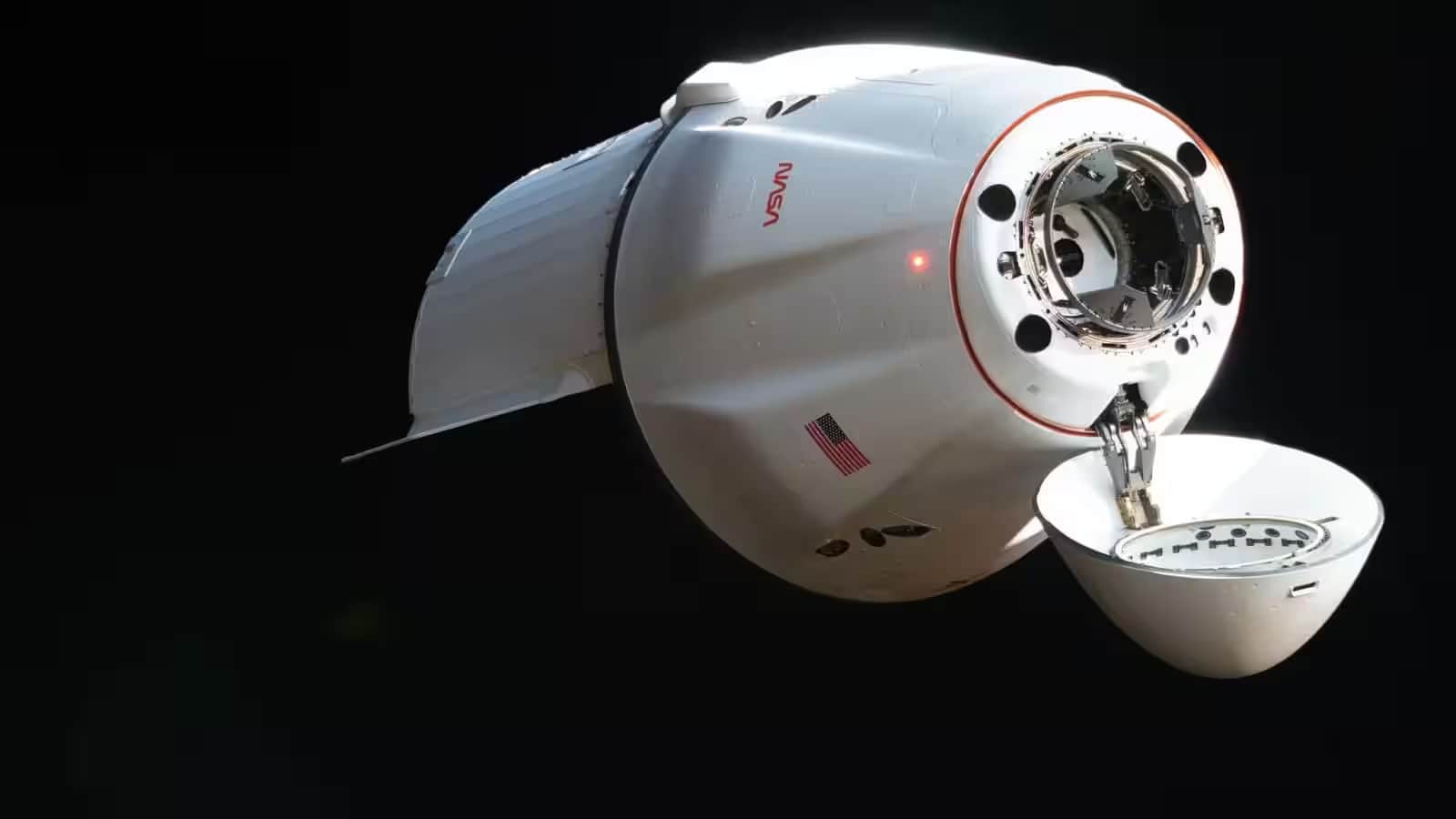
SpaceX’s Cargo Dragon is about to do what almost no cargo spacecraft can: come home intact. NASA says the vehicle will undock from the International Space Station on 16 June and splash down off the California coast on 17 June, carrying roughly 3 tons of research samples, experiment results, and hardware from orbit.
That return load is more interesting than the headline suggests. Among the items heading back are cartilage tissue samples produced with a bioprinter in microgravity and materials tied to cancer research, the kind of payloads that only make sense if they survive the ride down. Most cargo craft are built to burn up on reentry; Cargo Dragon is the odd one out, and that reusable return capability has quietly become one of SpaceX’s most valuable services for NASA.
What Cargo Dragon is bringing home from the ISS
The spacecraft is returning after a 17 May launch as part of the station’s 34th commercial resupply mission. NASA says the cargo includes scientific samples gathered during orbital operations, plus materials from experiments that need to be analyzed on Earth rather than left to simmer in weightlessness.

Recommended reading
NASA staff cuts hit 25 major programs
- About 3 tons of cargo returning to Earth
- Cartilage tissue samples made with a bioprinter in microgravity
- Materials for cancer research
- Splashdown expected off the California coast on 17 June
Why a reusable return ship still matters
Most space freight is one-way traffic. That’s fine for trash runs, less so for biology, materials science, and anything expensive enough to justify the ride back. Cargo Dragon’s ability to return samples gives NASA a practical edge over cargo systems that end in a fireball, and it keeps SpaceX in a category of its own among station logistics providers.
The timing also underlines how commercial resupply has matured: launch on 17 May, departure a month later, then a controlled ocean landing instead of a fiery obituary. The real story is less about the capsule itself than about the growing value of orbital experiments that are designed with the return trip in mind.
The next test is the splashdown
If the schedule holds, the clean part of the job is nearly over. The interesting part comes after splashdown, when researchers get their hands on the samples and find out whether microgravity helped produce something useful, or just something very expensive. NASA, of course, is betting on the former.
Frontier Editor
Dan is our resident futurist, covering electric mobility, space exploration, and the smart home. He's interested in atoms just as much as bits. Whether it's a new battery chemistry, a reusable rocket, or a protocol that finally makes IoT devices talk to each other, Dan breaks down the engineering that pushes humanity forward.