• 2 min read
Audi Nuvolari brings 987 hp and a top speed above 350 km/h
Audi has used the Nuvolari to do two jobs at once: replace the departed R8 in spirit and show off the shape of its next performance cars. The result is a low-slung hybrid supercar with 987 horsepower, a V8 that revs to 1
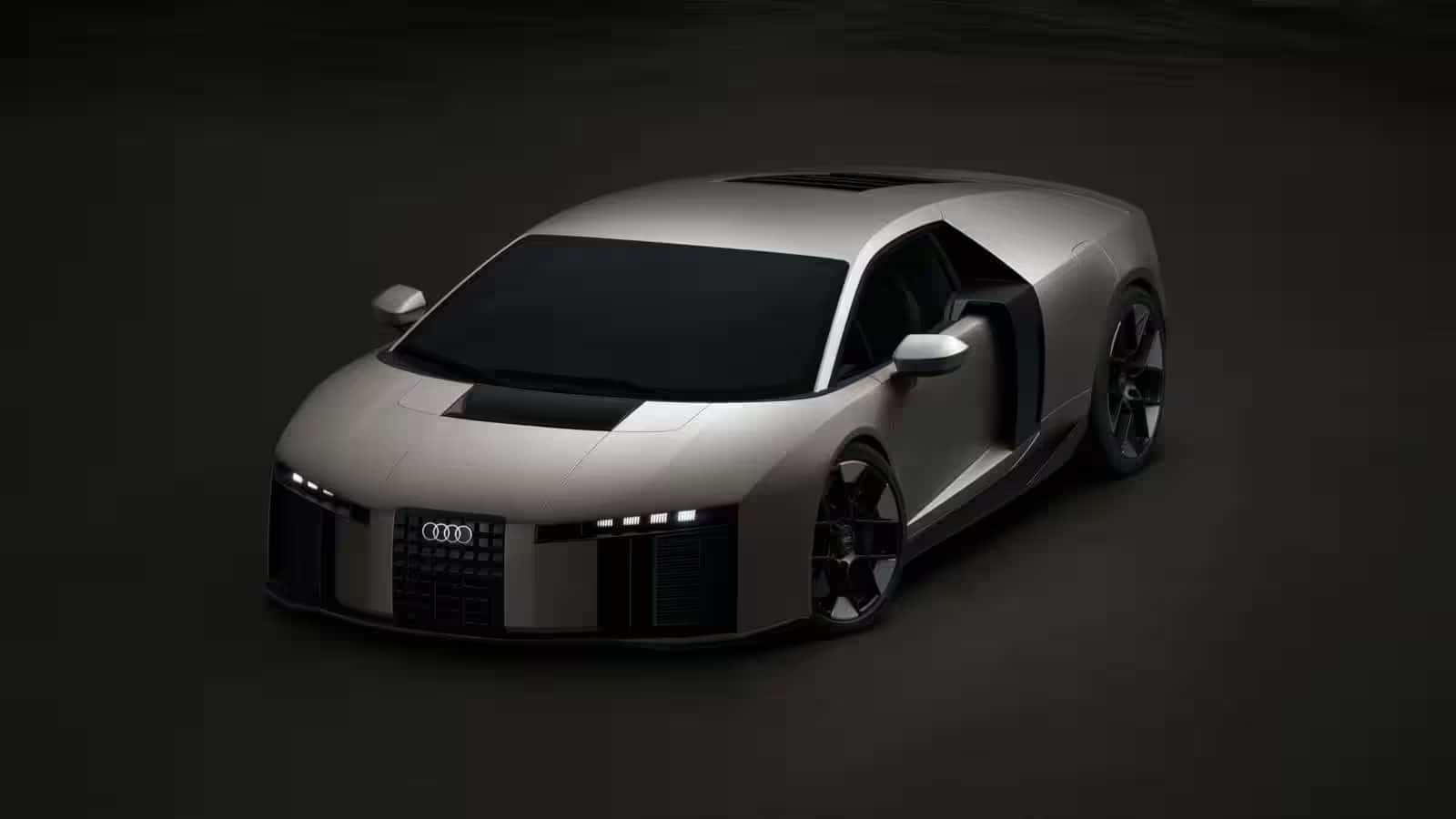
Image: ixbt.com
Audi has used the Nuvolari to do two jobs at once: replace the departed R8 in spirit and show off the shape of its next performance cars. The result is a low-slung hybrid supercar with 987 horsepower, a V8 that revs to 10,000 rpm, and a claimed top speed above 350 km/h – which is Audi speaking very loudly about intent, not just numbers.
The Audi Nuvolari also shows how the supercar wars are increasingly hybrid wars. Ferrari, Lamborghini, and McLaren have all moved toward electrified flagships, and Audi clearly does not want to be left selling nostalgia with four rings on the hood.
Nuvolari powertrain and performance figures
Under the bodywork sits a 4.0-liter twin-turbo V8 paired with three electric motors. Together they produce 987 horsepower, making the Nuvolari the most powerful Audi performance concept announced so far. The hybrid setup also includes a 7.3 kWh battery that allows short all-electric runs without waking the combustion engine.

Recommended reading
Graphite One advances Ohio battery-materials plant
- Power: 987 hp
- Engine: 4.0-liter twin-turbo V8
- Electric motors: 3
- Battery: 7.3 kWh
- 0-100 km/h: 2.6 seconds
- 0-200 km/h: 6.8 seconds
- Top speed: more than 350 km/h
Carbon fiber, DRS-style aero and racing hardware
Audi says the chassis makes extensive use of carbon fiber to keep hybrid weight under control, while the active aero package includes a movable rear wing and a DRS-like system to trim drag on straights. Carbon-ceramic brakes and forged wheels with a center-lock nut push the package even closer to race-car territory, which is exactly the point: if you’re charging supercar money, the theater had better be serious.
There is also a familiar piece of corporate family resemblance here. Audi does not spell out a direct link to Lamborghini, but the figures and layout strongly suggest a shared Volkswagen Group architecture, the sort of efficient platform-sharing that keeps boardrooms happy while giving enthusiasts something expensive to argue about.
499 Nuvolaris and a 2027 delivery window
The Nuvolari will be built in a run of 499 examples, with deliveries set for the first half of 2027. That limited volume is no surprise: this is not a mass-market halo car, but a statement piece meant to reset Audi’s performance image after R8 production ended.
The bigger question is whether the Nuvolari’s design language trickles down to more ordinary Audis fast enough to matter. If it does, the brand gets a clean break with the past; if not, the Nuvolari risks becoming another very fast poster car that mostly lives on spec sheets and at auto shows.

Frontier Editor
Dan is our resident futurist, covering electric mobility, space exploration, and the smart home. He's interested in atoms just as much as bits. Whether it's a new battery chemistry, a reusable rocket, or a protocol that finally makes IoT devices talk to each other, Dan breaks down the engineering that pushes humanity forward.
via ixbt.com