• 2 min read
Audeze Maxwell 2 ANC Adds Adaptive Noise Cancellation
Audeze’s Maxwell 2 ANC gaming headphones add adaptive noise cancellation, planar-magnetic drivers, and wired-Bluetooth connectivity from $429.
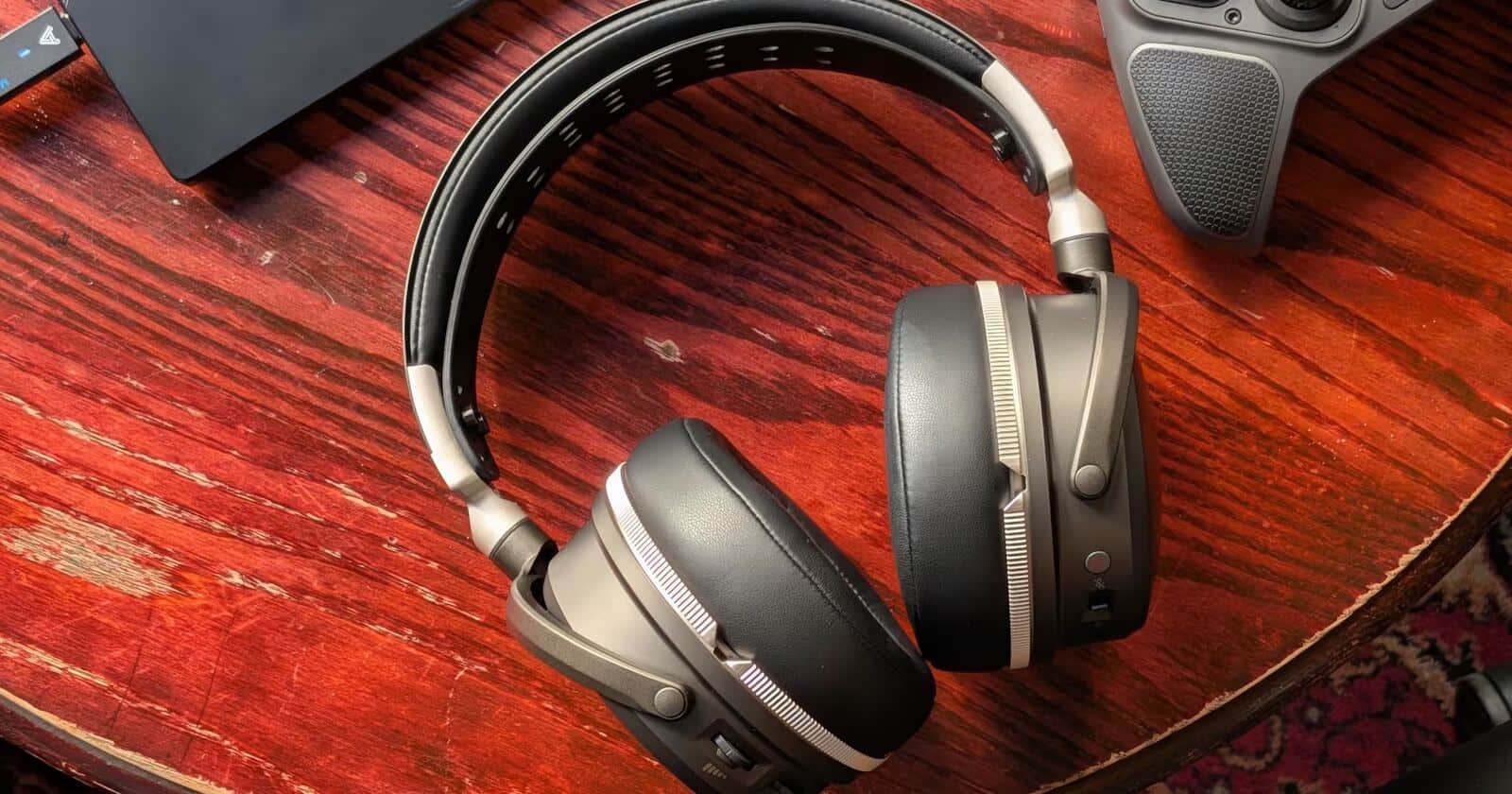
Image: phandroid
Audeze has updated its Maxwell gaming headset with the Maxwell 2 ANC, adding adaptive noise cancellation and several changes to the hardware and controls. The model targets gamers, esports players, and audio professionals.
Unlike many gaming headsets that focus heavily on microphones and lighting, Maxwell 2 ANC puts the emphasis on sound and isolation. Noise cancellation remains relatively uncommon in gaming hardware, but it can be useful during home tournaments or while working in a noisy office.
Image source: phandroid

Recommended reading
Steam Machine charms, then disappoints at $1,050
Key features include:
- Adaptive hybrid ANC using feedforward and feedback systems
- A low-latency transparency mode with voice control
- Simultaneous wired and Bluetooth connectivity
- Audeze planar-magnetic drivers
- Removable ear pads and replaceable limited-edition panels
Audeze says the noise cancellation works best against consistent low-frequency background noise—the type commonly heard during gaming or music playback. The headset is compatible with PC, macOS, Android, iOS, and Nintendo Switch.
Maxwell 2 ANC is already available through Audeze’s website and select retailers. The PlayStation version costs $429, while the Xbox version is priced at $449.
Sergey Kuznetsov is editor-in-chief of itzine.ru and a technical journalist with 15 years of experience. He specializes in in-depth testing of audio equipment, cameras, and consumer electronics. He has written more than 5,000 articles.

Culture Editor
Maya explores gaming, streaming, and the internet as a place where people actually live. From deep-dives into creator economies to the anthropology of digital communities, she tracks platform drama and cultural shifts so you don't have to. She believes the best tech stories are fundamentally about human behavior.
via ITzine