• 2 min read
Apple’s new Siri skips the buddy act
PCWorld says Apple’s AI-upgraded Siri focuses on practical tasks, not companionship, ahead of its wider rollout with iOS 27 and macOS 27 this fall.
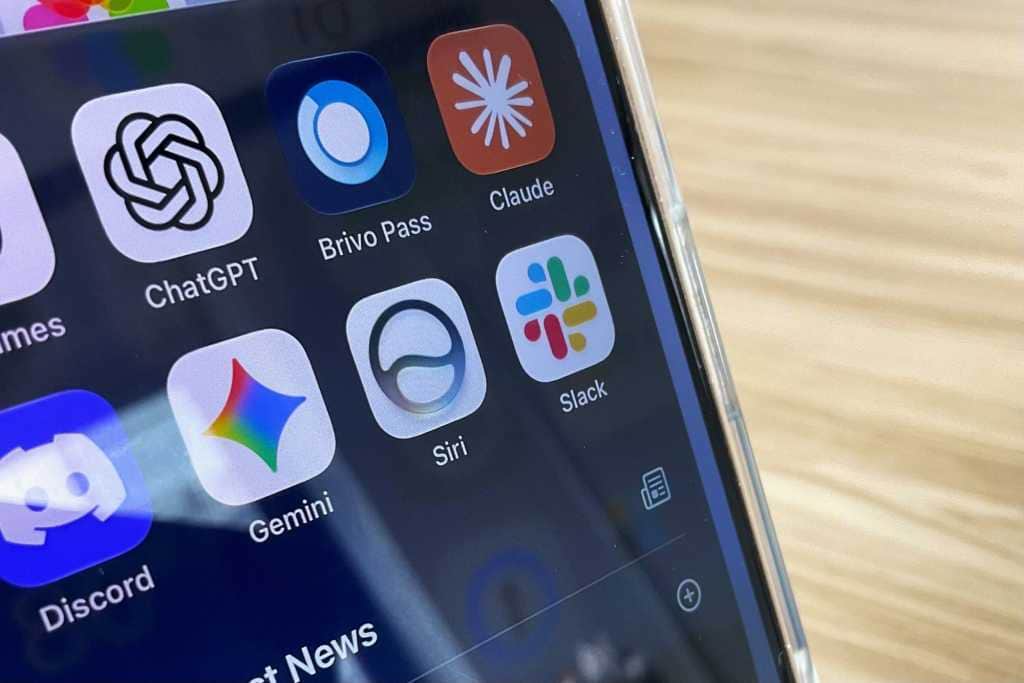
Image: PCWorld
After a couple of false starts, Apple’s new AI-enhanced Siri has arrived in public beta—and according to PCWorld’s Ben Patterson, its most notable trait is how little it tries to charm you.
Patterson says the updated Siri, which is set for broad release this fall with iOS 27, macOS 27, and Apple’s other OS 27 updates, feels deliberately business-like. It doesn’t flatter users or try to keep a conversation going. Instead, it completes a task, says something as plain as “Here you go,” and moves on.
That restraint doesn’t mean a lack of capability. In PCWorld’s testing, Siri could sort and organize email, brainstorm ideas, save them into Notes, and file that note into a chosen folder. In one example, Patterson asked Siri for details about his daughter’s class field trip. Siri pulled information from email and text messages, then returned the meeting place, time, and the teacher’s phone number.
PCWorld argues that this is where Apple’s approach stands out. While tools such as ChatGPT, Claude, and Gemini can feel as if they are trying to bond with users or seem more human, Siri is presented as a utility first. Patterson contrasts that with a report from earlier this week claiming OpenAI’s rumored ChatGPT smart speaker is designed to “feel like a companion” and “connect on a humanlike level with users.” He notes that OpenAI has not commented on the report.
For Patterson, the key point is that Siri doesn’t try to become the center of attention. It acts like a competent assistant, then disappears when the job is done. As Apple pushes the feature to a much wider audience this fall, that more restrained model of consumer AI may prove to be the bigger shift.
Recommended reading
MLB blocks dugout iPads from making strategy calls

Computing Editor
Tomas lives in the terminal. He covers chips, laptops, and operating systems with a focus on performance and efficiency. He reads kernel changelogs the way other people read fiction, and he's always on the hunt for the perfect mechanical keyboard switch. If it processes data, Tomas has an opinion on it.
via PCWorld