• 2 min read
Apple takes OpenAI to court as Siri AI arrives
The Vergecast examines Apple’s lawsuit against OpenAI, the new Siri AI, OpenAI gadget leaks, OnePlus leaving the US and Europe, and more.
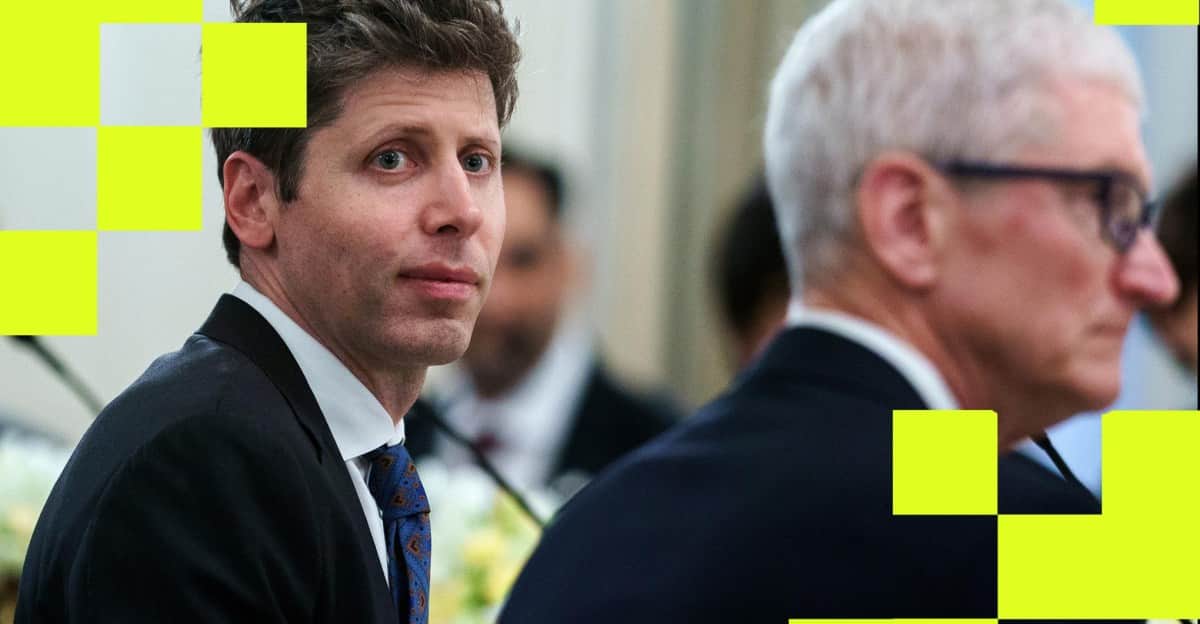
Image: The Verge
Apple is suing OpenAI in a public legal fight that raises a central question: is Apple trying to block a serious competitor, or taking advantage of a vulnerable moment for OpenAI?
On the July 17, 2026 episode of The Vergecast, Nilay Patel and David Pierce examine Apple’s complaint, which is described as readable and intense. They also consider Apple’s history of splashy litigation and whether the allegations reflect unusual conduct or simply standard industry practices.
Apple’s lawsuit and the new Siri
The discussion comes as Apple ships the public betas of its new software, led by the new Siri AI. The hosts assess what the update means and whether the new Siri is actually any good.

Recommended reading
Moonshot’s Kimi K3 Takes Aim at US AI Leaders
The episode also covers leaks involving OpenAI gadgets and Pixel phones, plus OnePlus leaving the US and Europe. Samsung and Apple’s duopoly continues to dominate the US smartphone market, making it increasingly difficult for another company to compete. The episode jokes that one alternative is simply to buy T-Mobile.
The Vergecast lightning round
The lightning round touches on Brendan Carr, the latest chaos in the X feed, the cracking face emoji, the foothills of the singularity, and more.
The hosts also point listeners to other coverage from the week: an AI gadget ranking, AI music, a debate over the Steam Machine review, and a discussion of AI detectors. Listeners can call the Vergecast Hotline at 866-VERGE11, email vergecast@theverge.com, and subscribe to avoid missing an episode.

AI Editor
Ava covers the rapidly evolving world of artificial intelligence, from foundational models and research labs to the real-world economics of intelligence. With a background in computational linguistics, she cuts through the hype to find out what actually works. She firmly believes that benchmarks are just marketing until reproduced in the wild.
via The Verge