• 4 min read
Apple names hardware engineer John Ternus as new CEO, ending 15 years of Tim Cook’s reign
Apple is handing over the reins to an engineer for the first time in 15 years. John Ternus, the company’s longtime hardware chief, will replace Tim Cook as CEO starting September 1, 2026. On April 20, 2026, Apple announc
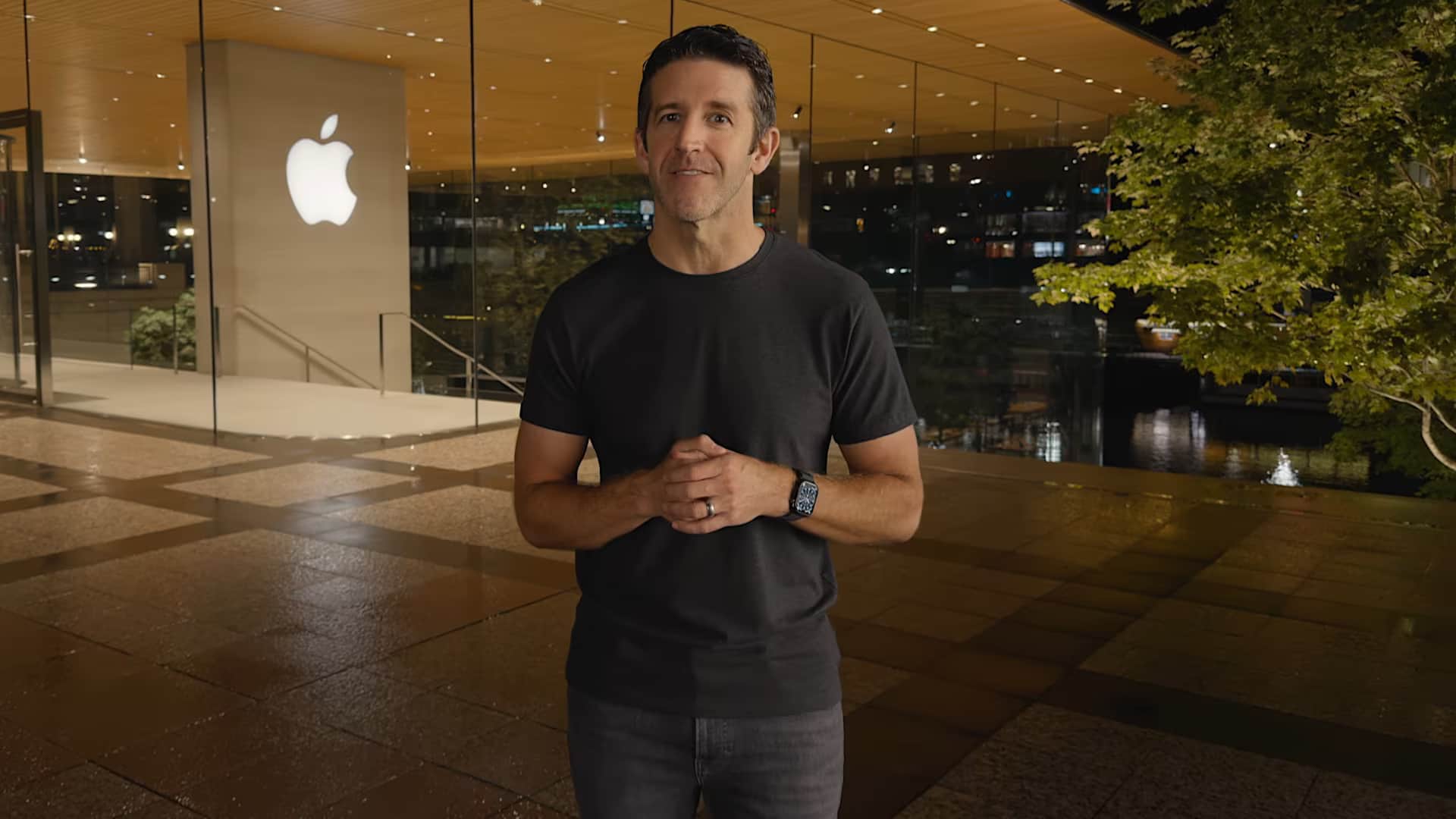
Apple is handing over the reins to an engineer for the first time in 15 years. John Ternus, the company’s longtime hardware chief, will replace Tim Cook as CEO starting September 1, 2026.
On April 20, 2026, Apple announced that Tim Cook, who has led the company since 2011, will step into the role of executive chairman of the board. His successor is John Ternus, previously Apple’s senior vice president of hardware engineering. For many Apple fans, Ternus is a familiar face from product launch stages. Now, he will oversee the entire company.
John Ternus: Apple’s longtime hardware engineer turned CEO
Ternus earned a mechanical engineering degree from the University of Pennsylvania in 1997. Early in his career, he worked at Virtual Research Systems designing VR headsets. He joined Apple in 2001, starting in product design where he contributed to the Apple Cinema Display.
This is a big deal: Ternus isn’t a finance, marketing, or consulting veteran. He’s an engineer who has spent nearly half his life at Apple.
By 2013, Ternus rose to vice president of hardware engineering under Dan Riccio, overseeing development of the iPad, AirPods, and Mac. In 2020, iPhone hardware was added to his portfolio. When Riccio shifted focus to augmented and virtual reality in early 2021, Ternus was promoted to senior vice president and joined Apple’s executive team.
Recommended reading
560,000 AI apps hit Apple’s App Store in six months
Ternus is 15 years younger than Cook, signaling to the board a longer runway for leadership continuity. Other CEO contenders, some with similar or longer tenures at Apple, are over 60 – a less appealing factor as the company seeks to accelerate in AI and connect with younger consumers.
Leading Apple’s landmark transition to Apple Silicon
Ternus’s defining achievement as an engineer-executive is steering the Mac’s transition from Intel processors to Apple’s custom silicon. Announced at WWDC 2020, the shift completed in record time, with the new M1 MacBook Air outperforming pricier Intel laptops on speed and battery life.
He personally introduced the M1 chip, playing a pivotal role in the transition that many saw as risky given software compatibility questions and developer resistance. The smooth rollout has since rewritten expectations for Mac performance and efficiency.
Beyond Apple Silicon, Ternus has overseen new product lines of iPad and AirPods, multiple generations of iPhone, Mac, Apple Watch, and the Apple Vision Pro. He also led development of the MacBook Neo, a cost-effective laptop leveraging iPhone-class chips to keep prices down without sacrificing quality.
How John Ternus’s leadership style differs from Tim Cook’s
Tim Cook is known as a master of operations, having built one of the world’s most efficient supply chains and grown Apple’s market value from about $300 billion to $4 trillion. He skillfully navigated geopolitical headwinds, including building ties with the Trump administration to avoid tariffs and push US manufacturing.
Still, Cook often earned the label of “accountant CEO”-someone who brought caution to product decisions. Ternus takes a different approach.
Colleagues and analysts describe Ternus’s style as collaborative and detail-oriented. He works openly alongside his team rather than behind closed doors. In a 2024 speech to engineering graduates, he said, “Always consider yourself just as smart as anyone in the room, but never think you know as much as they do. With this mindset, you find the confidence to move forward and the humility to ask questions.”
In an industry full of loud egos, that’s a rare stance for someone at the helm. Ternus is seen as a potential revival of the “product guy” leadership model Steve Jobs embodied-someone obsessed primarily with what Apple creates, not just the quarterly numbers.
What John Ternus’s leadership means for Apple’s future products
Ternus’s biggest immediate challenge is pushing Apple ahead in the AI race. The company has lagged behind competitors, repeatedly delaying upgrades to Siri and ultimately partnering with Google Gemini to enhance AI features. Apple lost its chief AI executive at the end of 2025, and the sluggish Siri rollout fueled criticism.
As an engineer, Ternus understands bottlenecks better than anyone. Right after the CEO transition announcement, he emphasized boosting Apple’s chip capabilities and speeding AI integration throughout the product lineup.
His responsibilities already include a secretive robotics division developing devices like a desktop screen that tracks speakers during FaceTime calls. This hints at Apple’s next steps. Unlike traditional CEOs focused mainly on strategy, Ternus’s deep silicon architecture expertise ensures Apple’s chips are tuned for real-world use cases, not just synthetic benchmarks.
In essence, the change marks a shift from Steve Jobs’s visionary product genius and Tim Cook’s operational mastery toward a future shaped by engineering-driven innovation. The question now: what groundbreaking AI features, device formats, or entirely new categories will Apple pioneer under this new leadership?
Computing Editor
Tomas lives in the terminal. He covers chips, laptops, and operating systems with a focus on performance and efficiency. He reads kernel changelogs the way other people read fiction, and he's always on the hunt for the perfect mechanical keyboard switch. If it processes data, Tomas has an opinion on it.