• 3 min read
Apple’s foldable iPhone faces a new production snag
Apple’s first foldable iPhone is reportedly running into a manufacturing problem, and this time the hinge is not the villain. The latest claim points to issues with surface-mount technology production, part of the proces
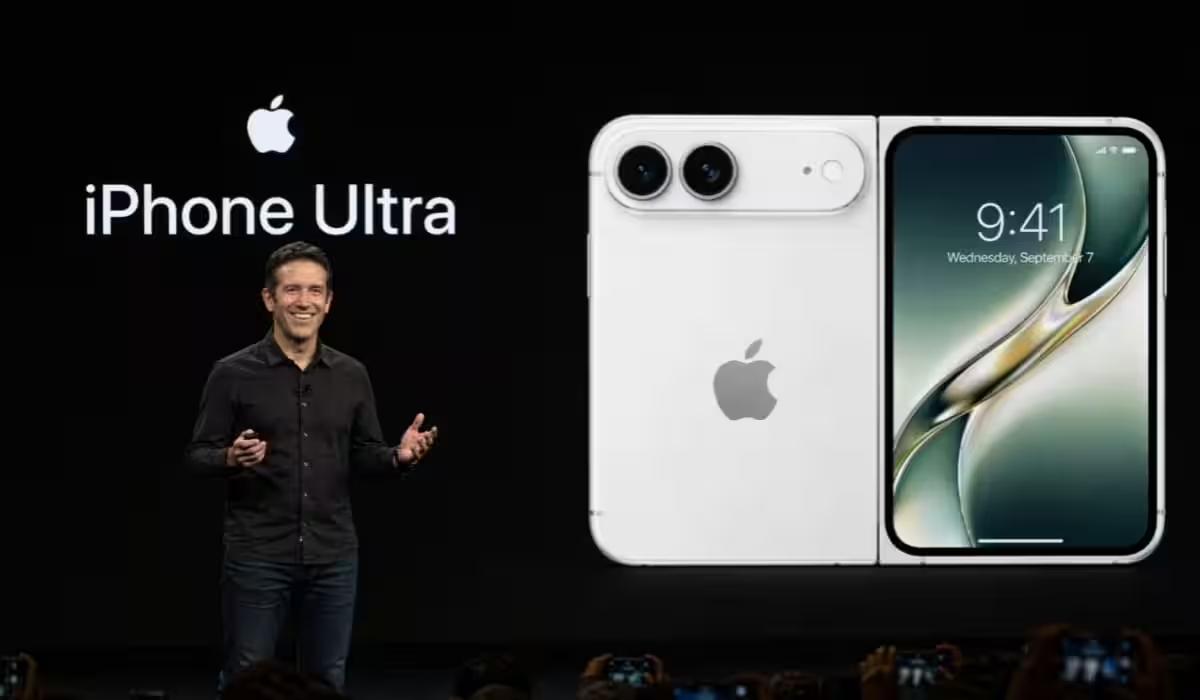
Apple’s first foldable iPhone is reportedly running into a manufacturing problem, and this time the hinge is not the villain. The latest claim points to issues with surface-mount technology production, part of the process that places electronic components directly on the surface of the PCB. If accurate, it suggests Apple is dealing with the awkward reality every first-generation foldable iPhone maker eventually meets: elegant concepts are easy, mass production is where the pain starts.
The report comes after earlier chatter that the device could be delayed indefinitely over a rattling hinge that supposedly failed Apple’s standards. That story now appears to have cooled, but the new problem may be more revealing anyway. Foldables are notoriously fussy to build, and even Samsung, the category’s most experienced player, spent years tightening yields and durability before the format looked remotely mature. Apple arriving late does not exempt it from the same factory headaches.
Surface mount production is the new headache
According to tipster Fixed Focus Digital, Apple is not struggling with the hinge itself. Instead, the bottleneck is tied to the broader production line, where component placement and assembly are proving less smooth than planned. That kind of hiccup usually translates into slower capacity utilization, which is a polite way of saying factories are not running as efficiently as they should.

Recommended reading
Samsung may reshape One UI 10 around adaptive AI
For Apple, this is a fresh kind of problem. The company has spent years perfecting regular iPhone production, but a foldable changes the rules: more complex tolerances, more specialized parts, and less room for error. In other words, the first foldable iPhone is behaving like a first foldable.
What this could mean for launch supply
It is still unclear whether these issues will push the device back or simply limit how many units Apple can ship at launch. Both outcomes are plausible, and both would fit the company’s usual playbook of protecting margins and quality over rushing volume. The risk is that a tight initial supply turns an already expensive product into an even harder item to get, which is great for hype and terrible for anyone hoping to buy one without refreshing a store page all morning.
- Hinge concerns appear to have eased
- Current reports point to surface-mount technology production issues
- Factory output may be slower than planned at the start
Apple’s first foldable iPhone is still the real test
The bigger story is not one faulty part but Apple entering a category that rewards manufacturing experience. Foldables have improved, but they still punish shortcuts, and Apple is now learning that the hard way from the production floor rather than a keynote stage. If the company does hit launch, expect the first batch to be tight, pricey, and heavily controlled. If the issues deepen, the question will not be whether Apple can make a foldable, but how much patience it has for making one at scale.

Gadgets Editor
Eli is obsessed with the tangible future. He reviews phones, wearables, and everything with a battery. Known for his rigorous testing protocols and unabashed teardowns, Eli has broken more review units than he cares to admit, all in the name of discovering the truth about durability and repairability.