• 3 min read
Antares reactor reaches criticality, but still no power
An Antares test reactor has reached criticality inside Idaho National Laboratory, a milestone for the startup’s unconventional nuclear design. But the Mark 0 unit is not yet hooked up to electricity generation, so this i
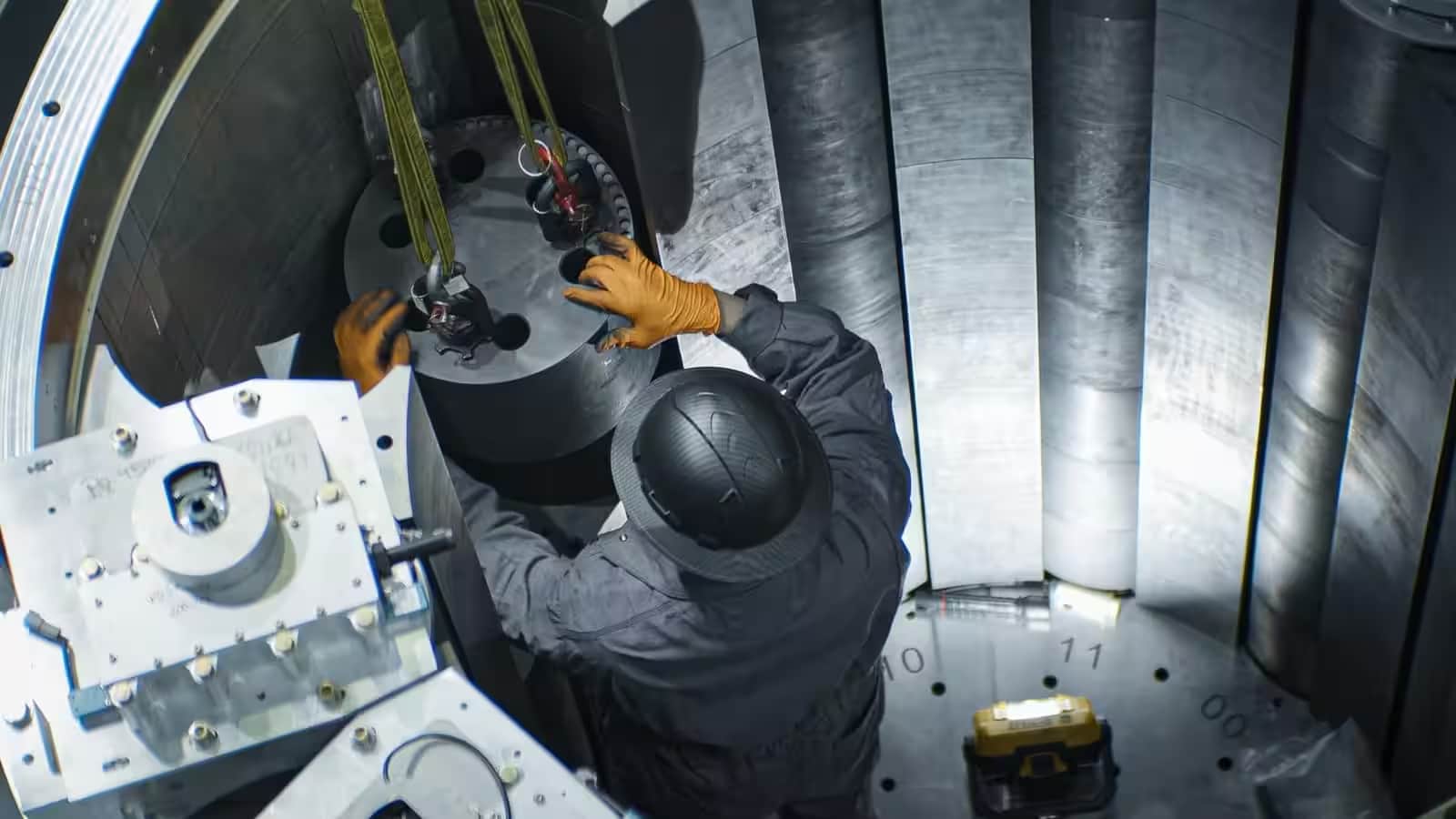
Image: ixbt.com
An Antares test reactor has reached criticality inside Idaho National Laboratory, a milestone for the startup’s unconventional nuclear design. But the Mark 0 unit is not yet hooked up to electricity generation, so this is engineering validation, not power production.
The company says the current run is mainly about checking calculations, refining models, and gathering data for licensing. Full integration with the energy system and any attempt to generate electricity are expected no earlier than next year. In an industry crowded with ambitious small reactor startups, that alone puts Antares ahead of many peers that are still trapped in presentations and partnerships.
What criticality means for the Mark 0 reactor
Criticality means the nuclear chain reaction inside the reactor has become self-sustaining. That does not mean the reactor is feeding a grid, heating a turbine, or proving a commercial business model; it means the physics checks out well enough to move to the next stage.
That distinction matters. Plenty of advanced reactor concepts can survive in a render, fewer can survive a test environment, and fewer still make it through licensing without tripping over their own complexity. Antares now has a data point regulators and investors can actually point to.
TRISO fuel and sodium cooling
Antares is built around TRISO fuel, where tiny uranium dioxide particles are wrapped in multiple layers of carbon and ceramic. The company’s pitch is simple: keep the fission products trapped even under very high heat, and the chances of a melt event drop sharply.

Recommended reading
SpaceX may catch Starship on its next flight
The reactor also uses graphite and liquid sodium, with the sodium carrying heat to a heat exchanger before the energy is moved to pressurized nitrogen and a closed Brayton-cycle turbine. It is a clever setup, and also a complicated one – which is basically the nuclear industry’s favorite hobby.
- Reactor: Mark 0 experimental unit
- Location: Idaho National Laboratory
- Fuel: TRISO with uranium dioxide particles
- Coolant: liquid sodium
- Power cycle: closed Brayton cycle with pressurized nitrogen
A policy tailwind, but few real tests
The timing is no accident. The project lands amid a push from the Trump administration to speed up nuclear development in the United States, including a goal for three new reactor projects to reach criticality quickly. That kind of political backing can help move paperwork, but it cannot conjure a working machine out of thin air.
Antares also has ties beyond the energy ministry site. It works with the Defense Department’s Project Pele on mobile reactor ideas and has received support from NASA, a reminder that interest in compact nuclear systems is spreading well beyond the power sector. The bigger question now is whether this criticality milestone becomes the start of a genuine development curve, or just another isolated proof point in a field that still produces more ambition than hardware.
Frontier Editor
Dan is our resident futurist, covering electric mobility, space exploration, and the smart home. He's interested in atoms just as much as bits. Whether it's a new battery chemistry, a reusable rocket, or a protocol that finally makes IoT devices talk to each other, Dan breaks down the engineering that pushes humanity forward.
via ixbt.com