• 3 min read
Anker SOLIX S2000 launches with a live fridge backup test
Anker is betting that a power station can win shoppers the boring way: by doing exactly what the box says, in public. The new Anker SOLIX S2000 is on sale today, and the company is streaming a live fridge backup test on
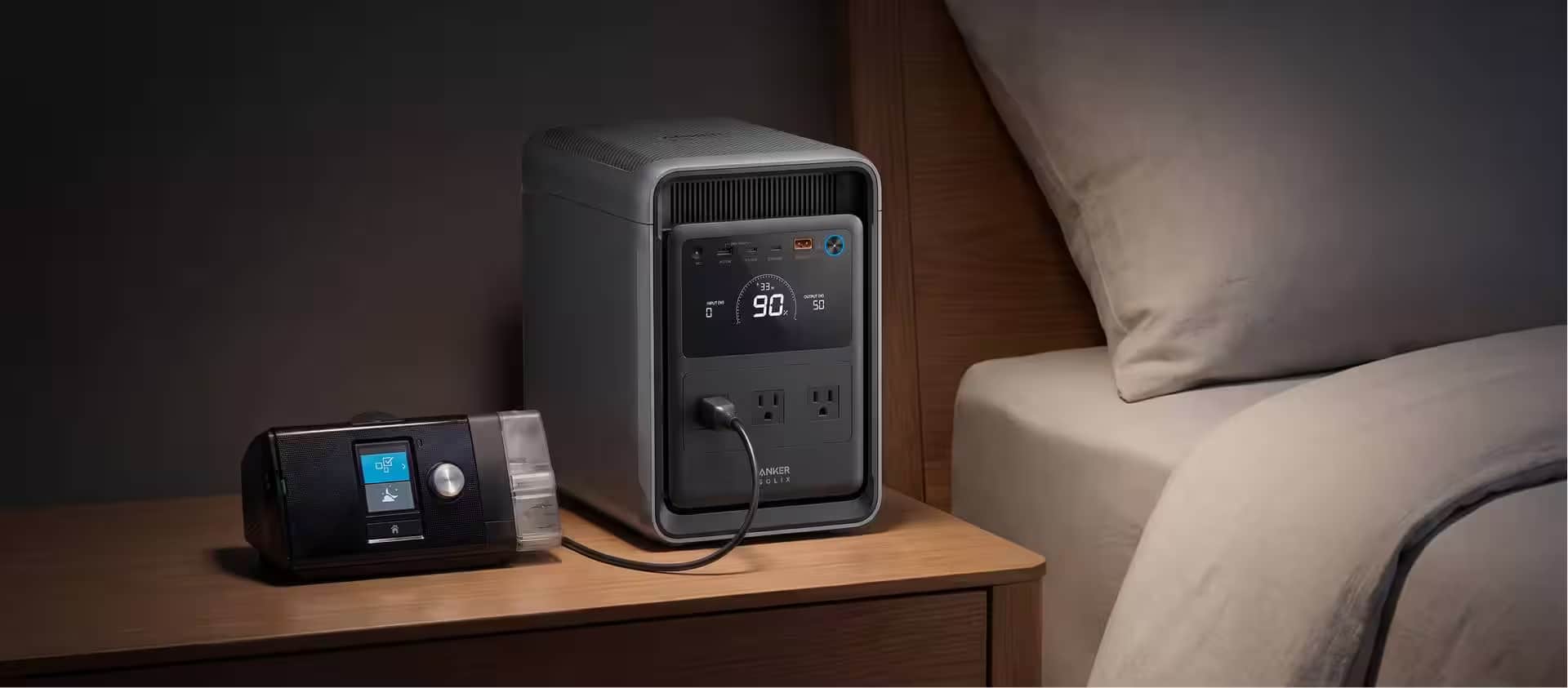
Anker is betting that a power station can win shoppers the boring way: by doing exactly what the box says, in public. The new Anker SOLIX S2000 is on sale today, and the company is streaming a live fridge backup test on YouTube to back up its claim of 35 hours of runtime.
That is a very specific kind of flex, and a useful one. Portable power stations are full of optimism on spec sheets, but real-world backup is where many of them quietly fizzle out, especially once idle drain starts nibbling away at stored energy.
Anker SOLIX S2000 price and launch deal
The S2000 is available from Anker’s website and Amazon for $679.99. Customers who signed up as members before June 1 can use an exclusive code to bring that down to $599, while the regular price is $1,199.99. That launch discount is set to run through sometime in June, so the clock is already part of the sales pitch.
For a 2kWh-class power station, that pricing is aggressive enough to get attention, especially from buyers comparing it with larger-name rivals that often lean on capacity numbers rather than efficiency claims. The gamble here is obvious: if the live test lands, the discount looks clever; if it doesn’t, the whole campaign gets a little awkward.
OptiSave Technology and 35-hour fridge runtime
At the center of Anker’s pitch is OptiSave Technology, which the company says cuts idle drain to under 6 watts. Competing 2kWh units typically sit between 10 and 20 watts, and Anker says that efficiency gap is what helps the S2000 deliver 35 hours of refrigerator backup, or roughly 20% more than comparable units in real-world use.
Recommended reading
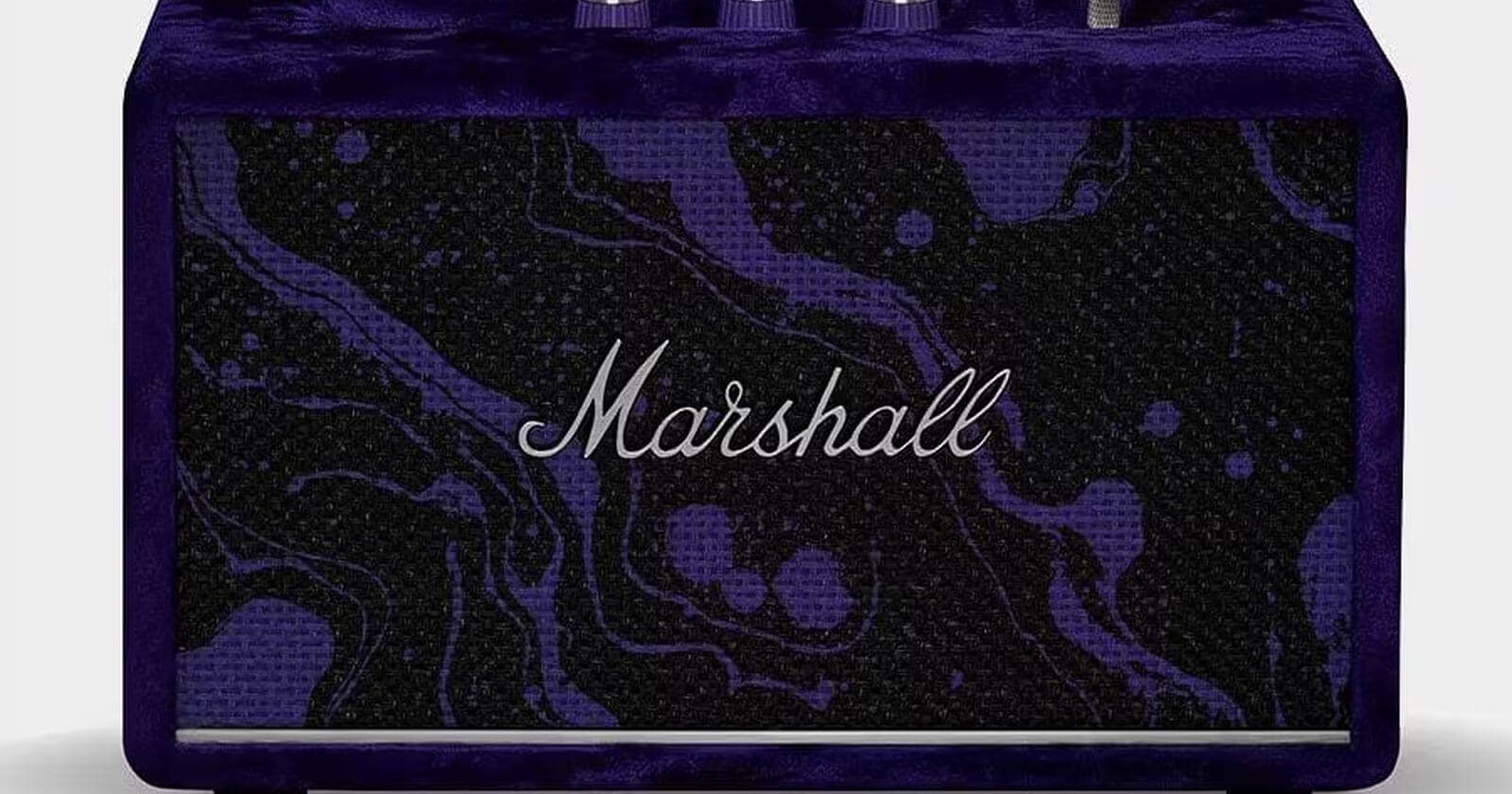
Marshall dresses Acton III in Jimi Hendrix style
Anker is also pointing to an A+ Runtime certification from TÜV SÜD, which it says is the highest rating in the program for real-world power delivery. That matters because runtime claims are easy to print and hard to trust; certification is the company’s way of saying this is not just spreadsheet cosplay.
Anker SOLIX S2000 specs
The S2000 is built around a 2,010Wh LiFePO4 battery, but the interesting part is how small Anker says the unit is for that capacity. It measures 8.19 x 11.1 x 12.7 inches and weighs 35.7 lbs, which puts it closer to a 1kWh portable station in size than a typical twin-capacity brick.
- 2,010Wh LiFePO4 battery
- 400W solar input
- UPS switchover under 10ms
- Rear-facing AC outlets for a cleaner wall setup
- 10,000 cycles and a 15-year service life
That last spec is the kind that competitors love to wave around too, except Anker says the battery outlasts many rival units by roughly double. If true, it is a neat bit of value engineering: less wasted power, more usable backup, and fewer reasons to replace the thing before your appliances do.
The live test starts at 5 PM PT
The public demonstration begins at 5 PM PT today on YouTube, where Anker says it will run the S2000 through a full fridge backup session. If it reaches 35 hours, the company says it will be the first power station to prove that claim live in public. That is either smart marketing or a brutally honest way to invite the internet to keep score.
Either way, the test gives Anker something many battery brands avoid: a simple, legible benchmark. People buying a power station for outages do not care about poetry; they care about whether the fridge stays cold long enough to stop the milk from staging a revolt.

Frontier Editor
Dan is our resident futurist, covering electric mobility, space exploration, and the smart home. He's interested in atoms just as much as bits. Whether it's a new battery chemistry, a reusable rocket, or a protocol that finally makes IoT devices talk to each other, Dan breaks down the engineering that pushes humanity forward.