• 2 min read
Aisberg wins approval for ship fire-protection modules
Aisberg won Russian type approval for ship fire-protection modules covering pipes from 15 mm to 1,020 mm and H-0 to H-120 ratings.
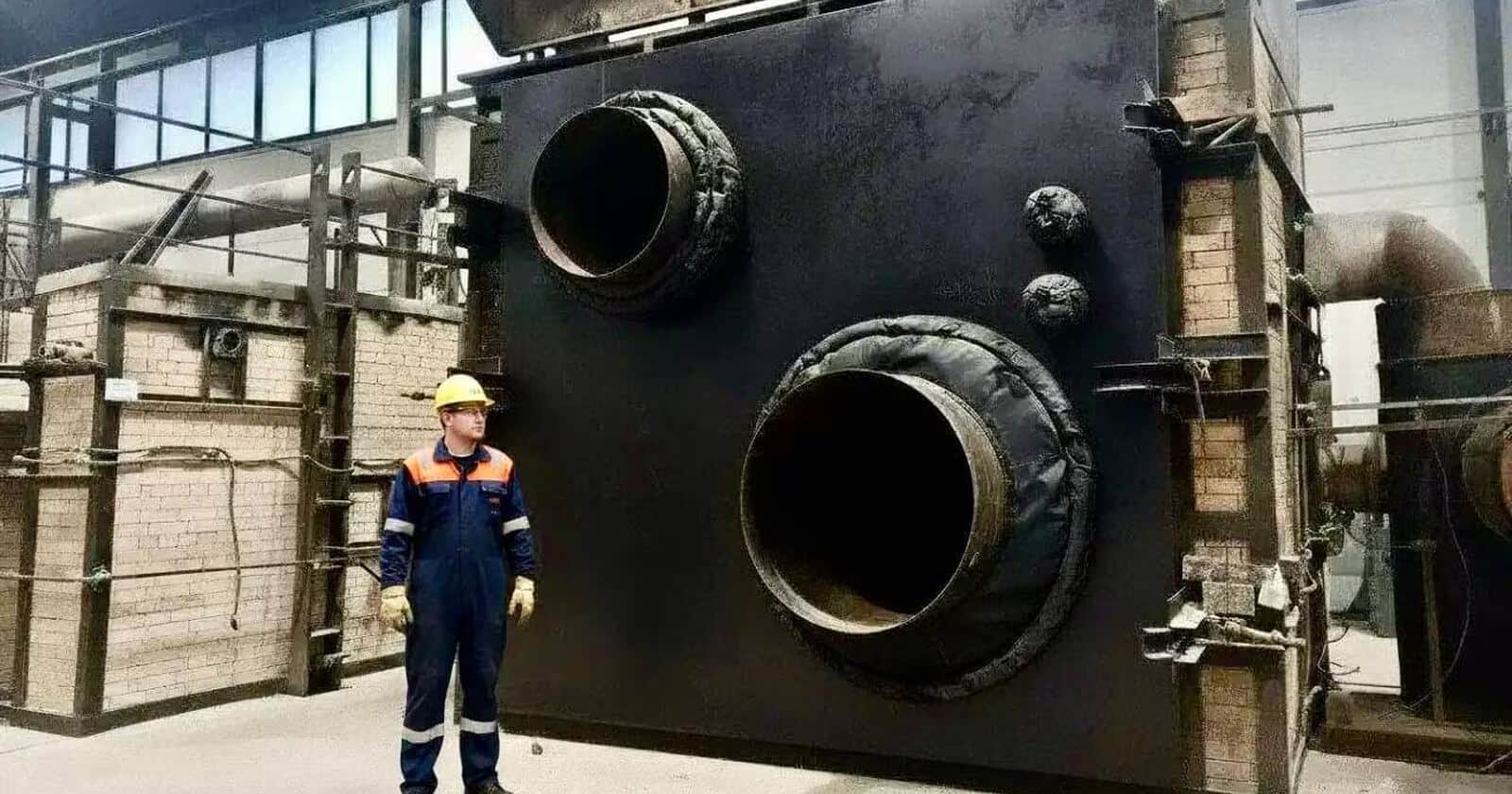
Image: ITzine
Image source: Russian Maritime Register of Shipping
Kazan-based Aisberg Research and Production Enterprise has received type approval for protective modules that isolate pipe penetrations on ships. These components seal the points where pipes pass through decks and bulkheads, helping prevent fire from spreading quickly into adjacent compartments.
The Russian Maritime Register of Shipping confirmed that the Aisberg TCHOG-P and Aisberg TCHOG-U modules meet the H-0, H-60, and H-120 fire-resistance requirements. The approval covers the modules as passive fire-protection components, rather than ordinary hull fittings.
Recommended reading
UK AI data centers face water priority warning
According to the register, the design consists of several parts and uses noncombustible insulation. The insulation material itself has also received type approval. The modules support pipe diameters ranging from 15 mm to 1,020 mm, covering both narrow lines and large shipboard utilities.
Replacing imported shipboard fire-protection modules
Russian shipyards previously imported similar components from the United Kingdom, South Korea, and Germany. After sanctions disrupted foreign supplies, ship equipment markets began shifting toward domestic alternatives. Fire-protection assemblies are required on nearly all seagoing and inland vessels, so delayed deliveries can push back completion schedules for both shipyards and customers.
Other Russian manufacturers are developing local alternatives for marine valves, cable products, automation systems, and fire-protection equipment. But production alone is not enough: without register recognition, a component cannot enter serial shipbuilding.
Aisberg now has an approved module family covering a broad range of pipe penetrations and multiple fire-resistance classes—reducing shipyards' dependence on overseas suppliers for a previously imported part.

Enterprise Editor
Marcus follows the money. He covers enterprise software, cloud architecture, and the tectonic shifts in Big Tech strategy. He translates dense earnings calls and complex M&A activity into actionable insights about where the industry is actually heading. If a tech giant makes a silent pivot, Marcus is usually the first to notice.
via ITzine