• 3 min read
Xiaomi 13T finally gets HyperOS 3 on Android 16
Xiaomi 13T owners have been waiting a long time for this one, and the stable HyperOS 3 update is finally rolling out. The release is based on Android 16, starts in Indonesia, and brings Xiaomi HyperIsland, a fresh set of
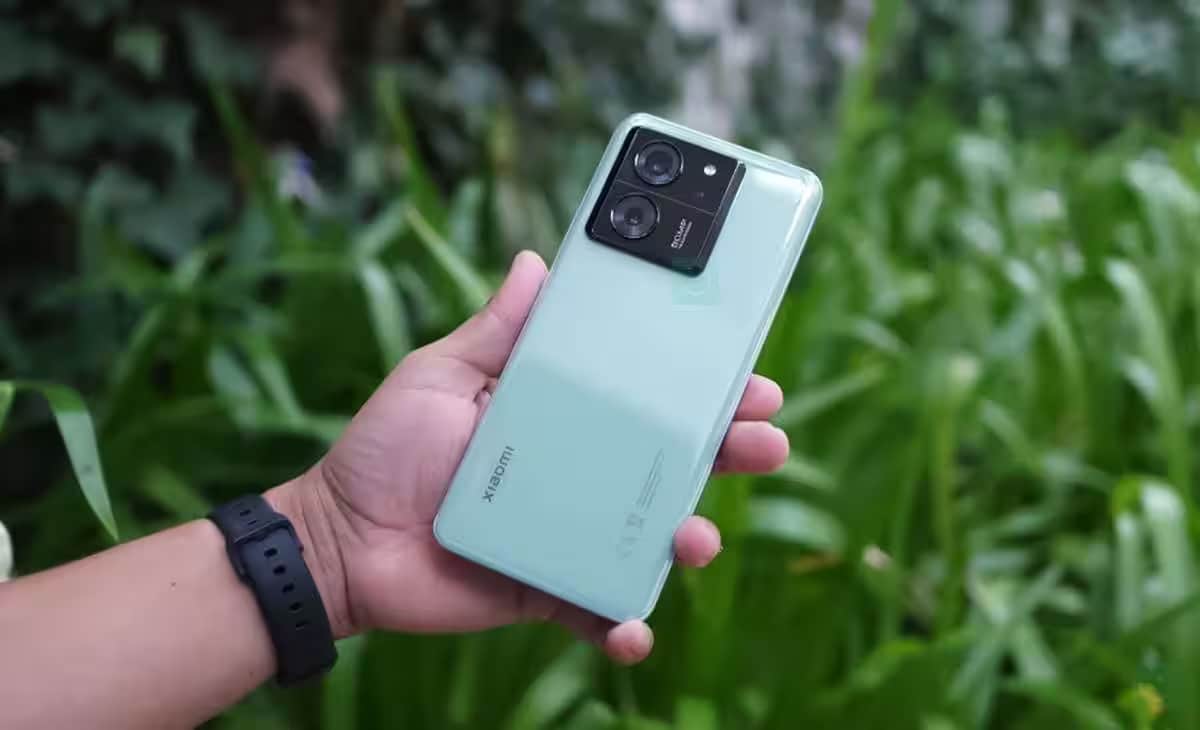
Image: ixbt.com
Xiaomi 13T owners have been waiting a long time for this one, and the stable HyperOS 3 update is finally rolling out. The release is based on Android 16, starts in Indonesia, and brings Xiaomi HyperIsland, a fresh set of AI tools, visual tweaks, and a new security patch after a delay that left the 13T behind much of Xiaomi’s broader rollout.
The firmware version now appearing on the device is OS3.0.1.0.WMFIDXM, and the package is hefty at about 6.5 GB. That size alone tells you this is more than a routine patch; Xiaomi is pushing a full platform refresh, so a stable Wi-Fi connection and a battery level of at least 40% are the sensible defaults before you install it.
What HyperOS 3 adds to Xiaomi 13T
The headline feature is Xiaomi HyperIsland, a pill-style hub at the top of the screen that surfaces live activities and works with system features as well as third-party apps such as WhatsApp, YouTube, and Spotify. Xiaomi is also layering in an AI Cinematic Lock Screen, AI Dynamic Wallpapers, and smoother transitions between always-on display, lock screen, and home screen. That’s the sort of polish Android skins love to brag about, but it also makes older hardware feel less old, which is half the point.

Recommended reading
Google’s Tensor chips finally improved. Now comes the hard part
- HyperOS 3 based on Android 16
- Firmware version OS3.0.1.0.WMFIDXM
- About 6.5 GB download size
- Xiaomi HyperIsland with live activity support
- AI Writing, AI Speech Recognition, AI Search, and AI Translate
Why Xiaomi took its time
The hold-up appears to have come from Xiaomi testing a new Android 16 kernel for the 13T. The version in circulation is 6.12.38-android16, and that matters because kernel work touches performance scheduling, memory handling, graphics rendering, battery use, hardware support, and app compatibility all at once. In other words, this wasn’t just a case of Xiaomi dragging its feet for sport; the company was likely trying to avoid shipping a flashy update that breaks something important.
That caution also fits Xiaomi’s broader timing. HyperOS 3 began rolling out in October 2025 on premium models and had reached most eligible devices by March 2026, so the 13T’s wait was unusually long but not mysterious. The upside for Xiaomi is that the device now gets a cleaner, more mature release; the downside is obvious, because users with an older flagship-adjacent phone spent months watching others get the shiny new bits first.
Touch to share with Apple devices
HyperOS 3 also pushes Xiaomi’s cross-platform ambitions a little harder. The update adds “Touch to share” support with Apple devices and even lets users run Xiaomi phone apps on an iPad, which is a curious but useful bit of bridge-building in a mobile world where ecosystems usually prefer to keep their fences high.
Meanwhile, Xiaomi has already moved on to HyperOS 4, which is expected to be based on Android 17 and bring bigger visual changes, plus new features. If the company keeps this pace, the next question is less about whether Xiaomi 13T gets the upgrade path and more about how long owners will have to wait before the next one lands.
Gadgets Editor
Eli is obsessed with the tangible future. He reviews phones, wearables, and everything with a battery. Known for his rigorous testing protocols and unabashed teardowns, Eli has broken more review units than he cares to admit, all in the name of discovering the truth about durability and repairability.
via ixbt.com