• 3 min read
World Bank urges developing countries to adopt AI
The World Bank says developing countries can use low-cost, localized AI to improve public services without building massive data centers.
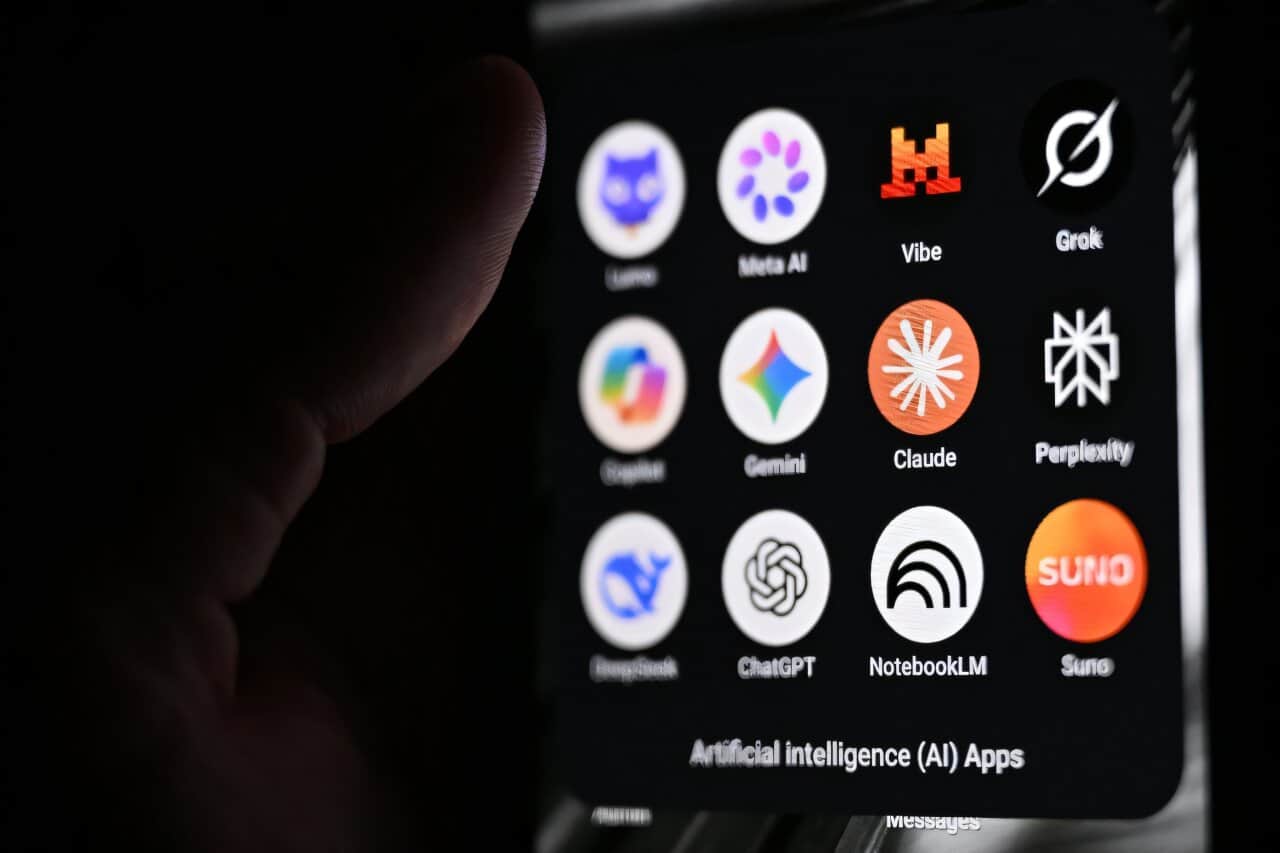
Image: TechXplore
Developing countries should start using artificial intelligence now to improve public services, rather than waiting to build expensive data centers, the World Bank said Tuesday. The warning came as the bank launched its annual World Development Report, which argues that AI could help economies deliver better health, education, legal and agricultural services before the end of the 2020s.
“AI has thrown developing economies a lifeline, and they should seize it.”
Gill said countries do not need to develop large AI models or construct major data-center infrastructure to benefit. Instead, the report recommends adapting lower-cost tools to local conditions and specific public-sector problems.
Local AI instead of large data centers
Advanced AI models developed mainly in the United States and China can analyze data and automate tasks that would otherwise take skilled workers much longer. But the computing infrastructure behind those systems requires large data centers, substantial electricity and significant water use, creating climate implications.
The World Bank’s proposed approach is more incremental. Developing countries should begin with localized AI applications while investing in the foundations needed to scale them:
- Electricity generation and distribution
- Broader access to computing power
- More locally relevant data
“For the 6.8 billion people—83% of humanity—who live in low-income and developing countries, AI tools will need to be adapted to meet their needs,” the report says.

Recommended reading
EU gains power to inspect AI models before launch
Its examples include increasing diabetes screening volumes in Bangladesh and using advanced weather forecasts to reduce costs for Indian farmers. The report also says AI services must be delivered through channels people can actually access. For people who cannot read or afford smartphones, that could mean voice calls on basic mobile phones.
“Simply importing an AI model does not mean it will work well locally,” the report says.
AI opportunity comes with institutional risks
The recommendation arrives as developing economies face a prolonged period of weak growth. The World Bank said their average growth performance is at its weakest in three decades and has previously described the 2020s as a “lost decade” for economic growth. The bank also lowered its 2026 global growth forecast to its lowest level since the pandemic, citing the economic fallout from the Iran war; low-income and developing countries have been hit hardest, with Asia the worst-affected region.
Gaurav Nayyar, director of the report, said the opportunity will not remain open indefinitely.
“The window to get this right is narrow.”
The report urges governments to build public trust alongside technical capacity. Better public services and improved learning outcomes could strengthen that trust, but biased government decisions or weakened data privacy could make it difficult to restore.
It also identifies risks that go beyond individual AI deployments: widening gaps between countries, increasing inequality within them, concentrating market power, weakening confidence in public institutions, and creating new threats to safety, rights and social cohesion.
The report says employment risks in developing countries are currently low. Over the longer term, however, AI could eliminate middle-class jobs that provide a path to economic mobility.
The World Bank report itself was produced with assistance from advanced AI tools from OpenAI, DeepSeek, Google and Anthropic, according to a disclosure. That detail underscores the report’s central position: countries do not have to build frontier AI systems to use the technology, but they do need locally suitable tools, accessible delivery methods and safeguards for privacy and public trust.
AI Editor
Ava covers the rapidly evolving world of artificial intelligence, from foundational models and research labs to the real-world economics of intelligence. With a background in computational linguistics, she cuts through the hype to find out what actually works. She firmly believes that benchmarks are just marketing until reproduced in the wild.
via TechXplore