• 3 min read
White House launches Gold Eagle cyber vuln hub
Gold Eagle will centralize AI-discovered software vulnerabilities, cutting duplicate work and speeding fixes across US government and critical infrastructure.
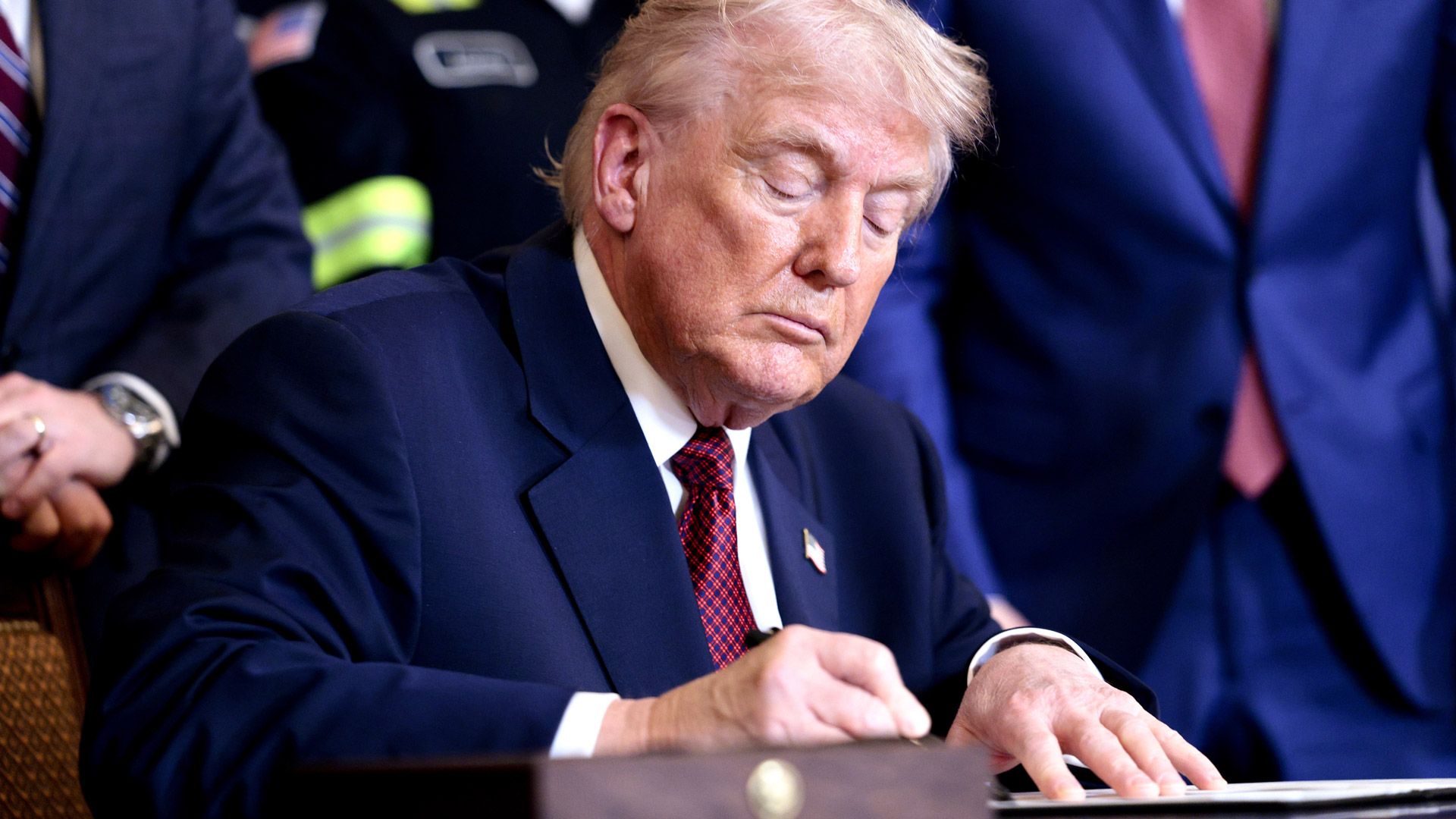
Image: TechRadar
White House stands up Gold Eagle clearinghouse
The US Government has launched Gold Eagle, a new cybersecurity clearinghouse designed to centralize how software vulnerabilities are discovered, shared, and fixed amid rapidly evolving AI-powered security threats.
Gold Eagle will act as a central hub linking federal agencies, AI developers, open-source software maintainers, and critical infrastructure operators. The goal is to increase the speed and quality of vulnerability discovery while preventing major incidents before they hit production systems.
The initiative stems from President Trump’s June 2 2026 executive order, titled “Promoting Advanced Artificial Intelligence Innovation and Security”, and is a joint effort between the Treasury, the Department of Homeland Security’s Cybersecurity and Infrastructure Security Agency (CISA), and the Department of War.

Recommended reading
Mira Murati’s lab unveils Inkling, a 975B open model
Centralized scanning to cut duplicate work
Under the Gold Eagle scheme, vulnerability scanning will happen centrally, rather than each organization independently running similar checks.
According to the White House, this setup is meant to:
- Prevent duplicated work across multiple organizations
- Identify which software, networks, and critical infrastructure are at risk
- Coordinate remediation so high-impact bugs are fixed first
The White House described Gold Eagle as a “force multiplier” for national cybersecurity efforts.
Fighting AI-driven attacks with AI tools
The source notes that AI is “largely to blame” for an increase in cyberattacks, as offensive actors use advanced tooling to find and exploit flaws faster.
Gold Eagle is intended to “fight fire with fire” by using AI models to find bugs at scale, including systems like Anthropic’s Mythos. These tools will feed findings into the clearinghouse, where risks can be triaged and pushed out to affected stakeholders.
“Through this strategic partnership, we will expand existing security measures to safeguard software and networks in the 21st century and continue to promote advancements in artificial intelligence,” DHS Secretary Markwayne Mullin wrote.
A lifeline for open-source maintainers
The article highlights that a dedicated clearinghouse can centralize vulnerability management, helping separate critical bugs from a flood of low-quality reports.
That triage could be particularly valuable for the open-source community, which often lacks the resources and funding available to large enterprise software vendors. Gold Eagle’s coordination role is expected to help maintainers understand which issues demand immediate attention, and where support is most urgently needed.
Wartime footing for cyber defense
The Gold Eagle initiative is framed as a move to aggressively harden US systems against exploitation as attacks scale up.
“Under the leadership of President Trump, we are bringing a wartime footing to the cyber domain to relentlessly patch vulnerabilities,” Secretary of War Pete Hegseth added.
If the clearinghouse delivers on its mandate, US agencies, critical infrastructure providers, and open-source projects will increasingly be working from a shared picture of AI-discovered software flaws, rather than piecing together fragmented reports in isolation.

AI Editor
Ava covers the rapidly evolving world of artificial intelligence, from foundational models and research labs to the real-world economics of intelligence. With a background in computational linguistics, she cuts through the hype to find out what actually works. She firmly believes that benchmarks are just marketing until reproduced in the wild.
via TechRadar