• 2 min read
Uber’s $14.8B Delivery Hero buy nears 100 markets
Uber has agreed to buy Delivery Hero in a $14.8 billion all-stock deal that would nearly double its footprint and push it close to 100 markets.
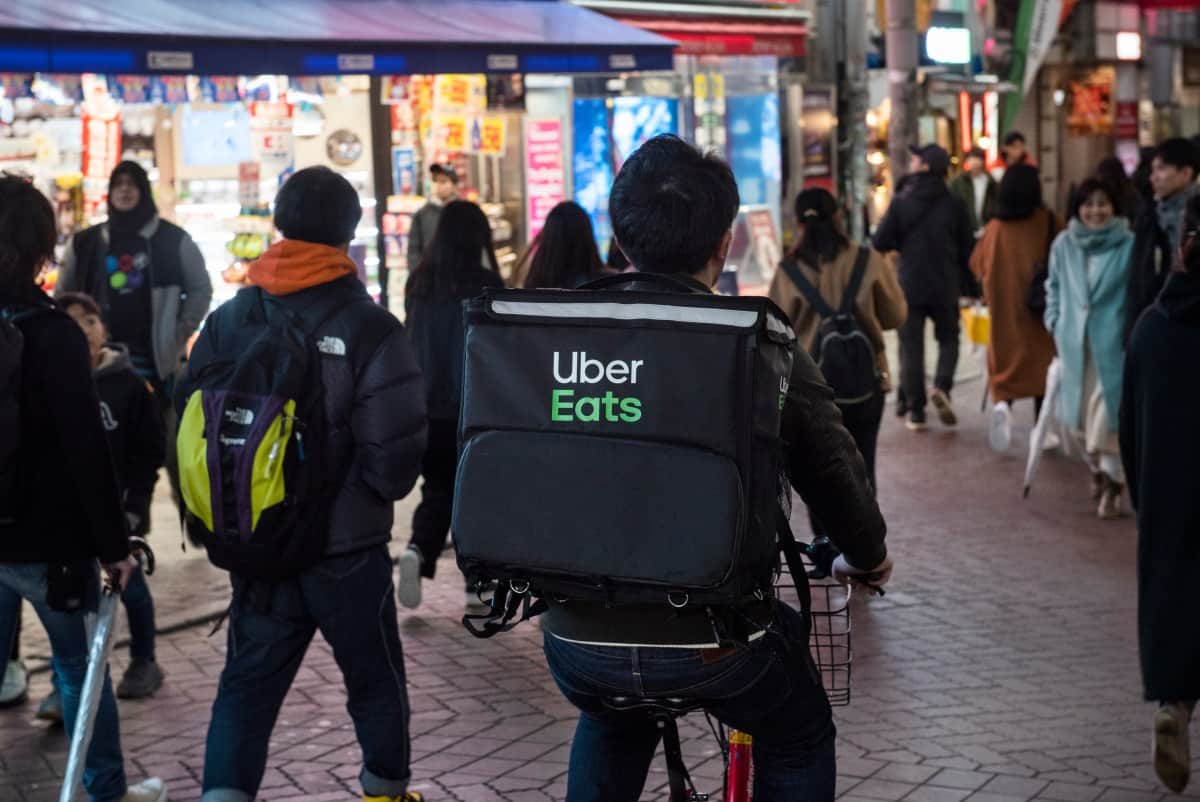
Image: TechCrunch
Uber has agreed to acquire Delivery Hero in a $14.8 billion all-stock deal, ending weeks of speculation and setting up a major expansion of its delivery business across Europe, the Middle East, Latin America, and Asia.
If completed, the transaction would push Uber into nearly 100 markets and make its delivery platform one of the world’s biggest — and likely the largest outside China. Uber said the deal would nearly double the number of markets where it offers both mobility and delivery services, strengthening its position against DoorDash and Just Eat.
The agreement is not final. It is expected to face regulatory scrutiny, and Uber has set a minimum acceptance threshold of 50% plus one share of Delivery Hero’s outstanding share capital.
Separately, Delivery Hero agreed to sell its business in 14 markets, where Uber Eats already operates, to New York-based investment firm SSW Partners for $1.6 billion.
Recommended reading
BP shuts venture arm and sells most of portfolio
Uber was already Delivery Hero’s largest shareholder before the announcement. Prosus, another major shareholder, has also agreed to sell its 17% stake, according to the companies.
“Together, we’ll nearly double the number of markets where we offer both mobility and delivery services, scaling a proven platform that we believe will create significant long-term value for our customers and shareholders.”

Enterprise Editor
Marcus follows the money. He covers enterprise software, cloud architecture, and the tectonic shifts in Big Tech strategy. He translates dense earnings calls and complex M&A activity into actionable insights about where the industry is actually heading. If a tech giant makes a silent pivot, Marcus is usually the first to notice.
via TechCrunch