• 4 min read
MPs warn Treasury may derail £1.15B Whitehall overhaul
MPs say HM Treasury’s hesitation over joining Matrix could undermine the UK’s £1.15 billion shared services plan and its projected £4.3 billion benefits.
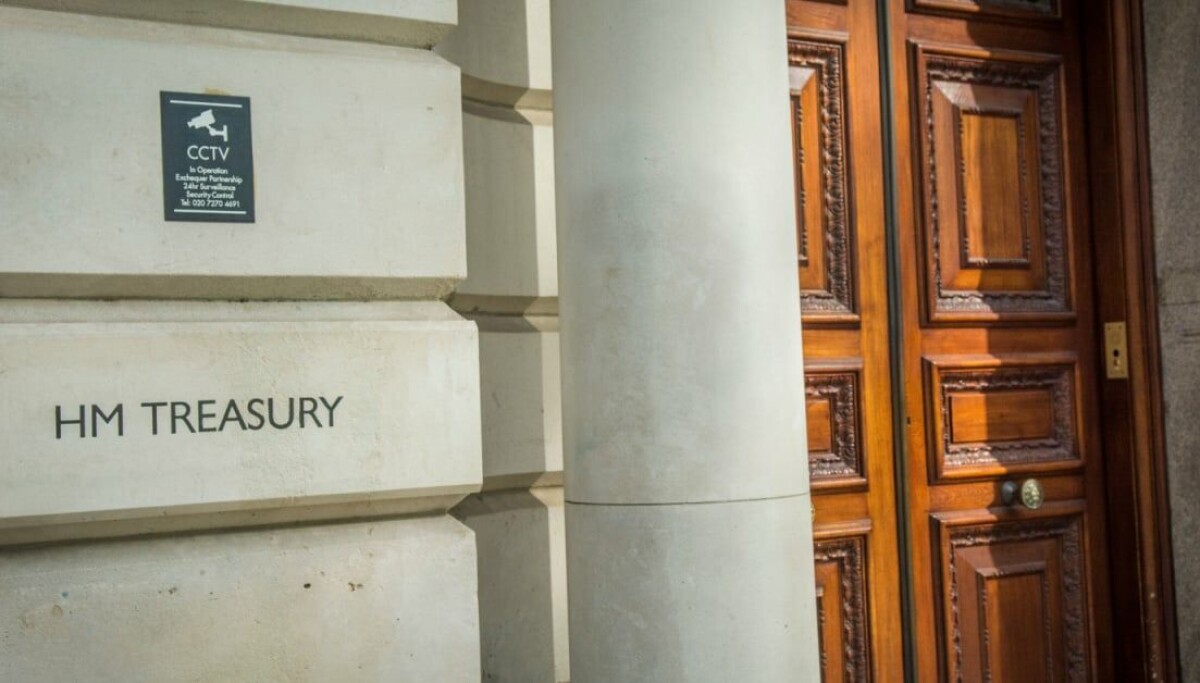
Image: The Register
PAC says Treasury hesitation threatens core reform
The Public Accounts Committee (PAC) has warned that HM Treasury’s reluctance to fully commit to the government’s £1.15 billion shared services strategy could make the program “potentially unworkable.”
At issue is Matrix, one of five clusters in Whitehall’s plan to move 17 departments and 300 arm’s-length bodies onto shared ERP and HR systems. The government hopes the wider effort will deliver £4.3 billion in benefits.
In June, HM Treasury (HMT) decided to delay joining Matrix. MPs say that move sends “a very poor reputational signal to the rest of the project.”
What Matrix covers
Under Matrix, the government plans to support these departments with Workday cloud-based finance and HR software:
- Department for Science, Innovation and Technology
- Cabinet Office
- Department for Energy Security and Net Zero
- Department for Culture, Media and Sport
- Department for Business and Trade
- Attorney General’s Office
- Department for Education (DfE)
- Department of Health and Social Care
- HM Treasury
In a letter to the PAC last month, HMT said it would not decide whether to move off its existing Oracle Fusion SaaS finance and HR system until December, despite having funded the program for five years.

Recommended reading
Hinge founder Justin McLeod readies Overtone AI matchmaker
MPs: Treasury is not leading by example
The PAC’s report, published on Wednesday, is blunt about the implications.
“The ambition for shared services rests upon different parts of government acting collaboratively. The Cabinet Office considers joining shared services to be compulsory. However, HM Treasury is failing to lead by example, providing funds for the strategy and expecting others to sign up, while it remains unconvinced by the likely benefits and unwilling to do so itself,”
The committee said the Cabinet Office must urgently reassess the strategy and prove that continuing will not turn into “a costly failure.” If it cannot, MPs said “serious consideration should be given to abandoning the project before even more public money is potentially wasted.”
According to the report, the Cabinet Office believed both HMT and the DfE had “unconditionally bought into joining shared services at the outset,” and had maintained that their participation “is not optional.”
Benefits case depends on Treasury and DfE
The PAC said HM Treasury now argues it can decide on its own whether to join its assigned cluster, subject to its Accounting Officer’s review of further information from Matrix. The report also said delivery has been delayed by the Cabinet Office’s ineffective management of interdependencies with other government digital programmes.
The DfE’s formal commitment also depends on more detail on feasibility and value for money. MPs said the stance taken by the two departments damages confidence across the whole initiative.
“For a strategy whose ambition rests on government acting as 'One Civil Service,' a case-by-case approach sets a very dangerous precedent, rendering the strategy optional and therefore potentially unworkable,”
The Cabinet Office launched the Shared Services Strategy in March 2021. Since then, it has said the program would produce £4.3 billion in benefits over 15 years, figures the PAC said were “calculated from a mixture of its dashboard and clusters' full business cases.”
But the committee said the benefits for the Matrix cluster depend on HMT and the DfE joining. It also flagged uncertainty over costs, saying the Cabinet Office provided figures ranging from the £846 million spending review figure to “around £1.6 billion.”
Delays already mounting
The strategy is expected to affect around 470,000 civil servants. Clusters had planned to begin onboarding departmental users between July 2026 and March 2029, but the start has now slipped to December this year.
The PAC’s verdict is stark.
“We are concerned that the Shared Services Strategy will fail. The Cabinet Office cannot give assurances that it will overcome critical challenges. Overly complicated governance, no clear ownership, inconsistent departmental buy-in, delays in readying data, and poor interdependency management risk another failed major government initiative.”
The Register said it has asked HM Treasury to comment.

Computing Editor
Tomas lives in the terminal. He covers chips, laptops, and operating systems with a focus on performance and efficiency. He reads kernel changelogs the way other people read fiction, and he's always on the hunt for the perfect mechanical keyboard switch. If it processes data, Tomas has an opinion on it.
via The Register