• 2 min read
Thorsianway targets edge AI with TH1100 chip
Thorsianway unveiled the TH1100 and TUCA, a hardware-software platform for local AI processing in robots, vehicles, and industrial systems.
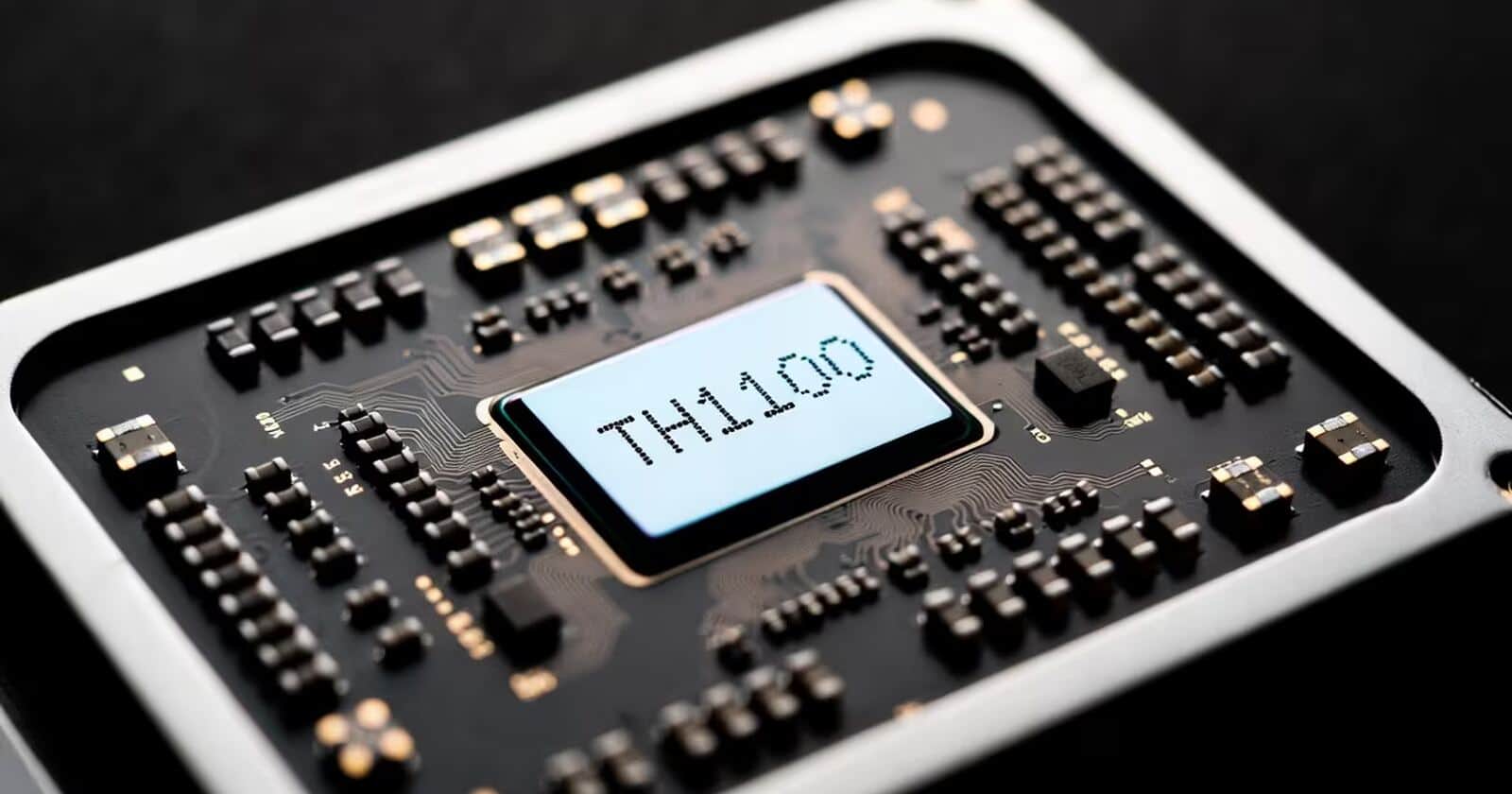
Image: ITzine
China’s Thorsianway has introduced the TH1100 processor and its new TUCA computing architecture for edge AI systems that process data locally instead of relying on a constant cloud connection.
The platform targets robotics, embedded systems, and embodied AI—devices that make decisions near sensors and cameras. According to the company, TUCA combines proprietary GPGPU technology, AI accelerators, and supporting hardware in a single hardware-software environment. Its goal is to connect the full workflow, from code and compilation to workload distribution and execution on the chip.
What Thorsianway says about TH1100
Thorsianway, also known as Suzhou Suo Microelectronics Technology, has operated since 2015. It develops graphics and interface chips for IoT devices, automotive instrument panels, industrial control systems, smart displays, and embodied AI applications.

Recommended reading
DeepSeek disclosure costs Moscow executive her job
The company has also taken part in developing China’s first national GPU standard. Its automotive GC9003 chip has shipped more than 1 million units, according to the manufacturer. In automotive electronics, that kind of production volume and a reliable supply cycle can matter as much as peak performance claims.
Last year, Thorsianway released the GC9005 for intelligent vehicles and household appliances. That product already combined a GPU and NPU in one solution. With TH1100 and TUCA, the company appears to be expanding from an individual chip toward a broader edge-computing platform.
Why TUCA matters for edge AI deployments
Edge AI is now used in robots, industrial controllers, smart displays, and automotive systems. These products often need to process data locally because network latency, unreliable connectivity, and unnecessary data traffic can quickly become operational costs or safety risks.
Chipmakers are therefore increasingly selling more than silicon. A platform that includes an architecture, compiler, development tools, and software libraries can shorten the route from a customer’s design to deployment. The same stack could potentially serve robotics, automotive electronics, and industrial automation.
That gives TH1100 a clear target market. If TUCA can manage the complete computing pipeline as promised, Thorsianway could offer an integrated ecosystem for devices running local AI models rather than a standalone accelerator. The next test will be the company’s ability to show working samples, a usable software stack, and initial customers outside China.
AI Editor
Ava covers the rapidly evolving world of artificial intelligence, from foundational models and research labs to the real-world economics of intelligence. With a background in computational linguistics, she cuts through the hype to find out what actually works. She firmly believes that benchmarks are just marketing until reproduced in the wild.
via ITzine