• 3 min read
Streaming handhelds need more than low prices
Streaming handhelds promise lower prices, but Logitech’s G Cloud struggled while Sony’s $250 PlayStation Portal found a stronger audience.
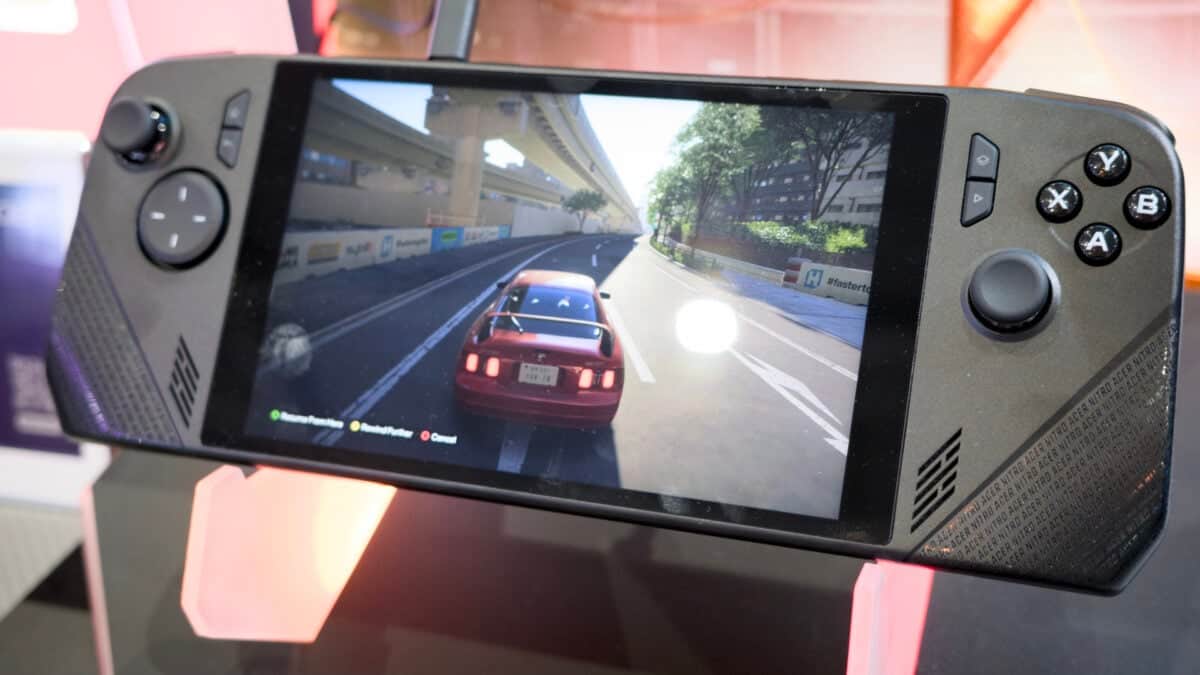
Image: Gizmodo
The appeal of a streaming-only gaming handheld is obvious: it could offer access to Xbox cloud streaming, potentially including cheaper or free ad-supported options, without the cost of a full console. The problem is that nobody has yet produced one people consistently want to use.
On Tuesday, The Verge interviewed Logitech G’s new head of gaming, Robin Piispanen, who said the Logitech G Cloud will not receive a sequel anytime soon. The reason appears straightforward: players did not like the device enough. In 2022 and 2023, buyers could spend just $50 more on a Steam Deck and play their own PC games with relatively little hassle.
The Logitech G Cloud did not sell all that well, according to Logitech’s new head of gaming. © Andrew Liszewski / Gizmodo
Rising handheld prices revive the streaming argument
The case for streaming handhelds has changed because component prices have become extremely high. A Steam Deck OLED now starts at $790 for 512GB of storage, while Lenovo’s Legion Go S and Legion Go 2 cost hundreds of dollars more than they did at launch. The MSI Claw 8 EX AI+ starts at $1,800, and even more powerful portable gaming systems can cost $5,000 or more.
A stripped-down streaming device could avoid much of that hardware cost. But Piispanen said companies such as Asus, which makes the ROG Xbox Ally X, operate on “slim margins” and need partnerships with firms such as Nintendo or Valve, which have direct access to gaming content.
Recommended reading
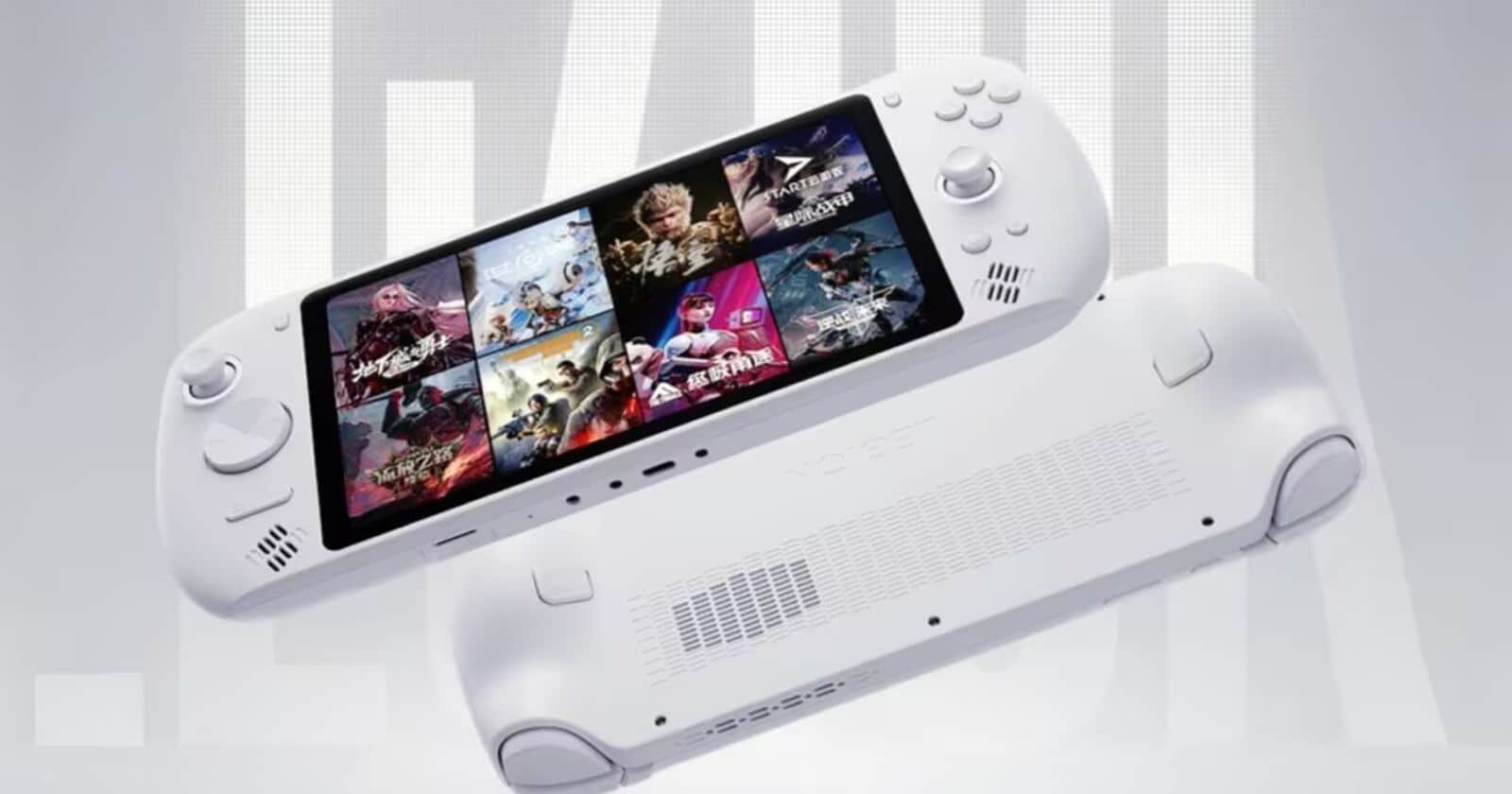
Lenovo teases Legion C700 with 10 ms streaming claim
That leaves an open question: are slim margins really the main obstacle, or is there simply no proven demand for streaming-only hardware?
Acer’s Nitro Blaze Link shows the trade-offs
A first look at Acer’s upcoming Nitro Blaze Link suggests what an ultra-cheap streaming handheld might require. The device has just 1GB of RAM and 8GB of storage, with the system memory dedicated to its Linux-based operating system.
At Computex 2026, the device felt inexpensive, from its thin plastic shell to its similarly thin-feeling joysticks. Its analog triggers had a clicky sensation resembling those on the Nintendo Switch Lite, making it poorly suited to streaming a game such as Forza Horizon 6.
The larger problem was connectivity. In the crowded show hall, the signal reaching the handheld was so weak that the game became a laggy, unplayable mess. That remains only a first impression of a device that has not launched, and Acer has not announced a price for its upcoming handhelds.
PlayStation Portal has a stronger case
Sony offers the clearest evidence that a streaming-focused device can find an audience. The $250 PlayStation Portal, essentially a DualSense controller with a screen between its grips, connects to PlayStation Network for cloud streaming.
According to Mat Piscatella, Circana’s lead video game industry analyst, the remote player had a relatively high attachment rate among PS5 owners—nearly 7% as of last year. Sony may also be developing a Portal with a more attractive OLED display, though that refreshed model has not resurfaced since initial rumors in January.
The difference may be the content ecosystem. PlayStation owners already have large game libraries tied to their accounts and want another way to play away from the TV. That gives Sony a stronger argument for streaming-only hardware than Logitech G had with the G Cloud. Xbox, with its cloud platform and subscription business, is the company best positioned to take notes.
Culture Editor
Maya explores gaming, streaming, and the internet as a place where people actually live. From deep-dives into creator economies to the anthropology of digital communities, she tracks platform drama and cultural shifts so you don't have to. She believes the best tech stories are fundamentally about human behavior.
via Gizmodo