• 3 min read
Valve adds Steam Machine and Steam Frame to Verified badges
Valve is widening its hardware badge system again, this time for the upcoming Steam Machine and Steam Frame, both due to ship this summer. The pitch is simple: fewer surprises at launch, and a better idea of how a game w
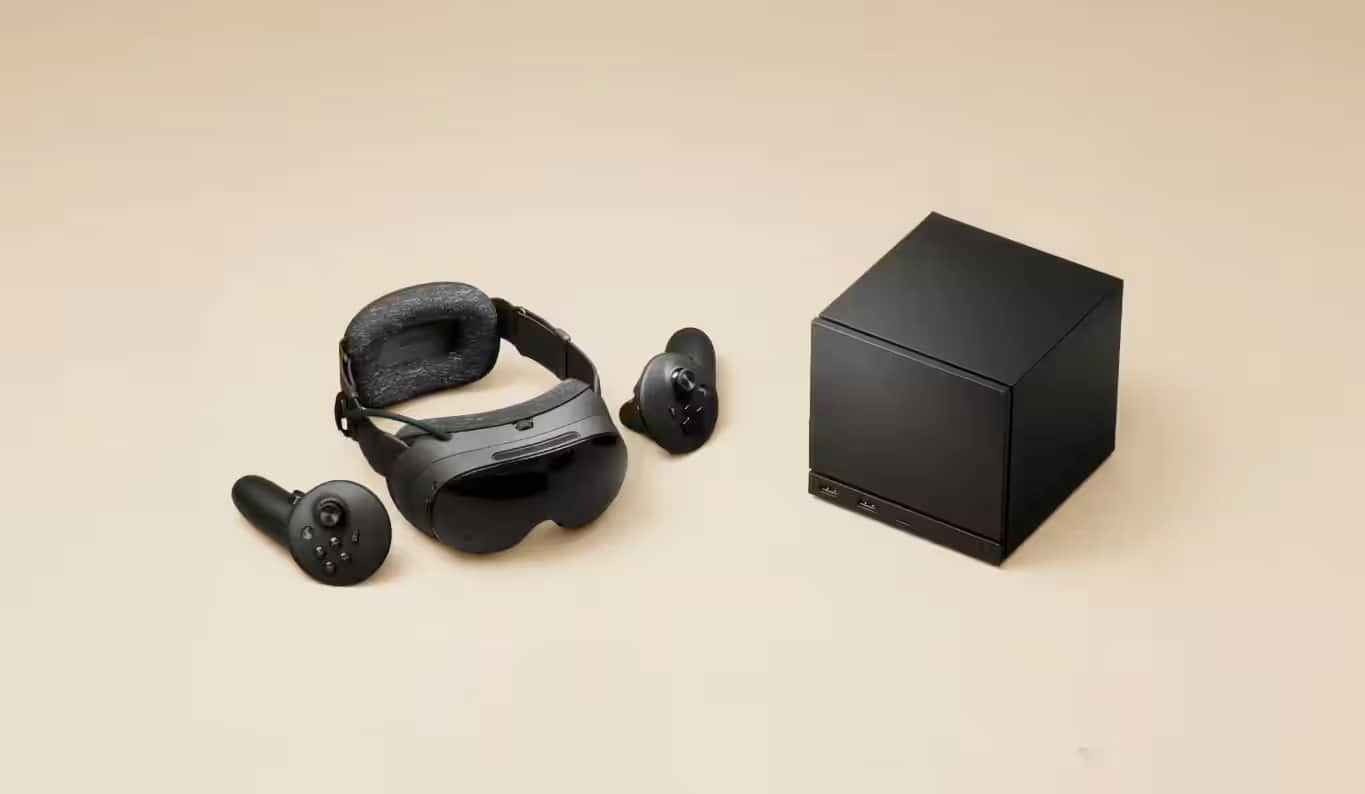
Image: ixbt.com
Valve is widening its hardware badge system again, this time for the upcoming Steam Machine and Steam Frame, both due to ship this summer. The pitch is simple: fewer surprises at launch, and a better idea of how a game will run before you buy it. That sounds boring on paper, which is usually how the useful stuff arrives.
The move also quietly borrows a lot from the Steam Deck playbook. Games that already carry Steam Deck Verified status will automatically run on Steam Machine without extra developer work, and Valve says it is re-testing titles that failed Deck verification only because of hardware limits on the more capable new box.
Steam Machine verification uses the same rules as Steam Deck
Valve says the Steam Machine follows the same software stack as Steam Deck, including Proton and the standard Steam interface, so the verification criteria stay aligned. In practice, that means the usual checks: default controller support and graphics performance straight out of the box. It is a pragmatic choice, and probably the right one, because a separate badge system would just create more confusion than clarity.
- Steam Deck Verified games will automatically work on Steam Machine
- Titles previously limited by Steam Deck hardware are being re-tested for Steam Machine
- Evaluation focuses on default controller layouts and out-of-box graphics behavior
Steam Frame Standalone Verified program covers VR and non-VR games
Steam Frame gets its own “Standalone Verified” program, and this one is aimed at games running locally on the headset without a PC tether. Valve says the badge covers both VR and standard non-VR titles, so the test is broader than it first sounds. Games will need stable performance on the default graphics setting, readable text and UI on the built-in display, and clean support for the native Steam Frame Controllers.
That emphasis on legibility matters more than it might seem. Standalone headsets live or die on friction, and if a menu is tiny, a frame rate stutters, or the controls feel half-adapted, the hardware gets blamed long before the game does. Valve is trying to push that judgment earlier, where it belongs.
Recommended reading
PlayStation Network outage revives Sony disc debate
Valve is turning compatibility into a trust signal
This is also Valve doing what platform owners love to do: turning a technical compatibility problem into a trust signal. Nintendo has long leaned on its own quality checks, while Microsoft and Sony have spent years refining certification to reduce launch-day disappointment. Valve’s version is less visible, but it serves the same purpose – making the store page do some of the confidence-building before the hardware even ships.
The bigger bet is that players will start treating these badges as shorthand for “no tinkering required.” If Valve keeps the standards consistent across the Steam Deck, Steam Machine, and Steam Frame, that badge could become one of the few bits of PC gaming housekeeping people actually notice. Which, frankly, would be a pleasant surprise.
Culture Editor
Maya explores gaming, streaming, and the internet as a place where people actually live. From deep-dives into creator economies to the anthropology of digital communities, she tracks platform drama and cultural shifts so you don't have to. She believes the best tech stories are fundamentally about human behavior.
via ixbt.com