

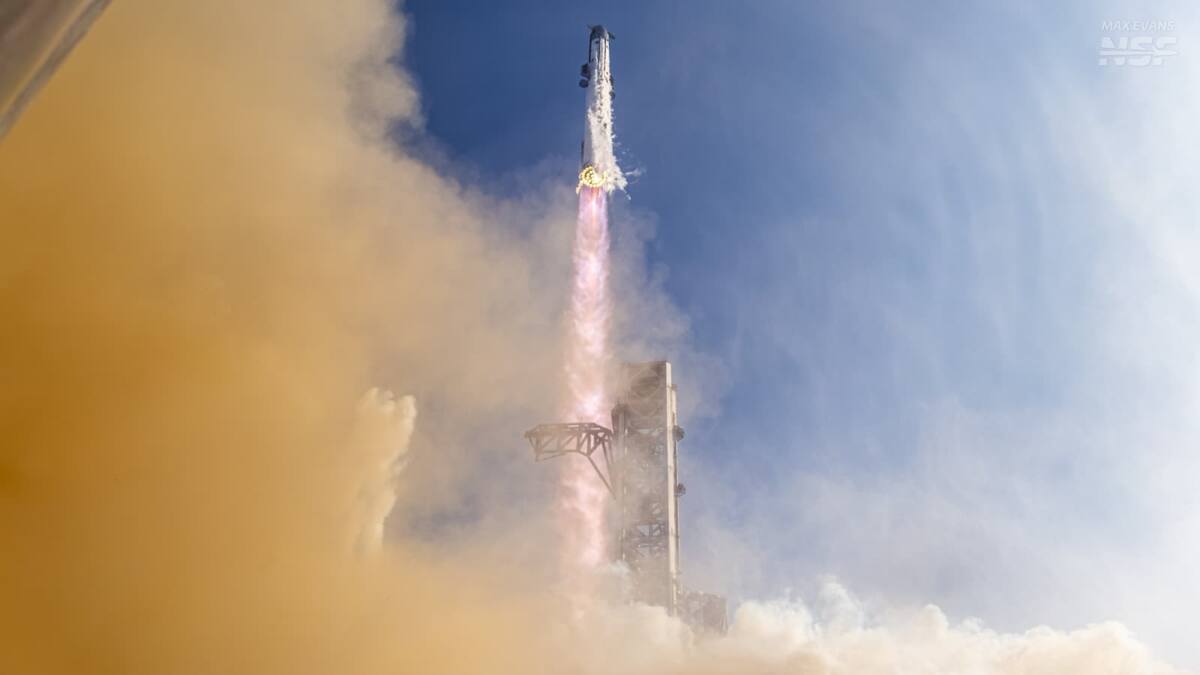
SpaceX’s latest Starship flight has left the Federal Aviation Administration with an awkward question: does a Super Heavy anomaly justify a formal investigation, or just another entry in the agency’s incident log? The FAA has not made a decision yet, even though the launch triggered a debris response zone and caused six departure delays, five airborne holds, and no rerouted flights.
The focus, at least for now, is the Super Heavy booster rather than Ship 39. That distinction matters because regulators often separate booster issues from upper-stage behavior when deciding how hard to lean on a launch provider. SpaceX, meanwhile, can point to a very different headline from the same flight: the mission still managed to deploy all 20 Starlink satellite simulators, plus two modified Starlink satellites designed for imaging.
What the FAA is looking at after the Starship launch
The FAA’s assessment is centered on the anomaly seen on Super Heavy 19. That wording suggests the agency is still gathering facts rather than moving straight to enforcement, which is how these things usually start: with a cautious pause, not a theatrical crackdown.
For airlines, the impact was real but limited. Six departure delays and five instances of aircraft holding in the air are enough to annoy dispatchers, yet the absence of route changes suggests the disruption stayed contained. That is the kind of outcome regulators can treat as manageable – unless the next flight turns the pattern into a habit.
SpaceX still gets a useful milestone
Even with the anomaly, the mission adds to SpaceX’s streak of heavy-lift test progress. The company said the rocket placed about 45 tons of Starlink mass simulators into orbit during the 12th Starship launch, which underlines how far the system has come from the early days of explosive test flights.
That said, reliability is still the bigger story than payload numbers. Starship has become a public test case for whether a launch program can stay ambitious while operating close enough to airports that a single booster problem can ripple into civil aviation.
How the FAA decision could affect Starship launches
If the FAA decides a formal investigation is needed, Starship’s launch cadence could slow, at least temporarily. If it decides the incident does not warrant that step, SpaceX gets to argue that the system is moving forward despite the occasional ugly moment – which, to be fair, has been part of the Starship playbook all along.
The open question now is whether regulators see this as an isolated booster anomaly or the sort of flight-day disruption that deserves closer scrutiny. SpaceX will want the former. Airlines, predictably, will prefer fewer surprise holds in the sky.